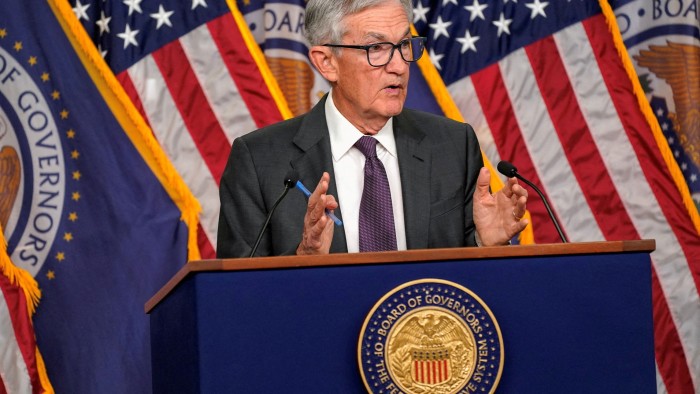
Federal Reserve Chair Jerome Powell issued a stark warning this week, cautioning that escalating tariffs could force the central bank to choose between controlling inflation and preserving job growth. Speaking at a monetary policy forum in Washington, D.C. on Tuesday, Powell emphasized how trade restrictions complicate the Fed’s dual mandate, potentially destabilizing the U.S. economy amid global trade tensions.
The Delicate Balance Between Prices and Jobs
Powell’s remarks highlight a growing concern among economists: tariffs function as both inflationary pressure and employment deterrent. “When you impose tariffs, you’re essentially taxing consumers twice,” Powell explained. “First through higher prices at the register, then through potential job losses when export-dependent industries contract.” Recent data underscores this tension:
- U.S. import prices rose 1.4% year-over-year as of May 2024
- Manufacturing employment growth slowed to 0.2% last quarter versus 0.7% in 2023
- Consumer goods inflation remains stubbornly high at 3.8%, well above the Fed’s 2% target
How Tariffs Disrupt the Fed’s Playbook
Historically, the Federal Reserve combats inflation by raising interest rates, which typically cools demand and slows hiring. However, tariff-induced inflation presents a different challenge. “This isn’t demand-pull inflation where people have too much money chasing too few goods,” noted economist Laura Thompson of the Brookings Institution. “It’s cost-push inflation—businesses passing on higher input costs, which rate hikes can’t directly address.”
The complexity arises because:
- Tariffs increase production costs for domestic manufacturers relying on imported materials
- Exporters face retaliatory tariffs abroad, shrinking overseas revenue
- Consumer spending power erodes as prices rise, potentially triggering layoffs
Divergent Views on Trade Policy’s Role
While Powell avoided direct policy criticism, his comments reignited debates about America’s trade direction. Pro-tariff advocates argue the measures protect strategic industries. “Without tariffs on Chinese steel, we’d lose another 100,000 manufacturing jobs,” contended Alliance for American Manufacturing President Scott Paul.
Conversely, free-trade proponents highlight broader consequences. A Peterson Institute study estimates existing tariffs cost the average household $1,300 annually. “Protectionism creates a sugar high for some sectors while giving the entire economy a hangover,” remarked trade analyst Marcus Johnson.
Sector-Specific Impacts Emerge
The automotive industry exemplifies Powell’s concerns. Since 2022 tariffs on aluminum and steel:
- Vehicle production costs increased 8%
- Dealership inventories shrank 15%
- 3 Midwestern assembly plants announced shift reductions
Meanwhile, agriculture faces retaliatory measures. Soybean exports to China remain 40% below pre-trade-war levels, despite the Phase One agreement. “Farmers became collateral damage,” said Iowa Farm Bureau President Brent Johnson. “We need stability, not whiplash.”
The Global Context Complicates Matters
With the EU considering new tariffs on U.S. biofuels and India raising duties on electronics, Fed officials worry about synchronized protectionism. “When multiple large economies raise trade barriers simultaneously, it shrinks the global growth pie,” Powell warned. The World Bank projects worldwide GDP growth could slow by 0.8 percentage points if current trends continue.
Possible Policy Responses and Outcomes
The Fed faces limited options when tariffs drive inflation. Potential scenarios include:
- Tightening monetary policy: Risking recession to curb inflation, potentially pushing unemployment above 5%
- Maintaining rates: Allowing prolonged above-target inflation that erodes consumer purchasing power
- Coordinating with Congress: Lobbying for targeted tariff exemptions on critical manufacturing inputs
“There are no painless solutions,” admitted former Fed economist Janet Yellen. “The best outcome requires fiscal and monetary policymakers working in concert.”
What This Means for Businesses and Consumers
Small businesses report particular strain. A National Federation of Independent Business survey found 68% of respondents raised prices due to supply chain costs, while 42% delayed hiring. “We’re getting squeezed from both sides,” said Brooklyn bakery owner Maria Gutierrez. “Flour costs 30% more, but customers can’t afford higher prices.”
For households, the effects compound:
- Median grocery bills up $220/month versus 2020
- Delayed purchases of big-ticket items like appliances and cars
- Reduced savings rates as wages fail to keep pace with inflation
With the 2024 election looming, trade policy remains volatile. Economists urge businesses to:
- Diversify supply chains to mitigate tariff risks
- Invest in productivity enhancements to offset rising costs
- Model multiple scenarios for both continued protectionism and potential rollbacks
As Powell concluded: “Sustainable economic health requires recognizing how trade, inflation, and employment interconnect. No single policy lever can address these challenges alone.” For investors and policymakers alike, the coming months will test America’s ability to balance competing priorities in an increasingly fragmented global economy.
Stay informed on evolving economic policies by subscribing to our daily briefing on trade and monetary developments.
See more CCTV News Daily