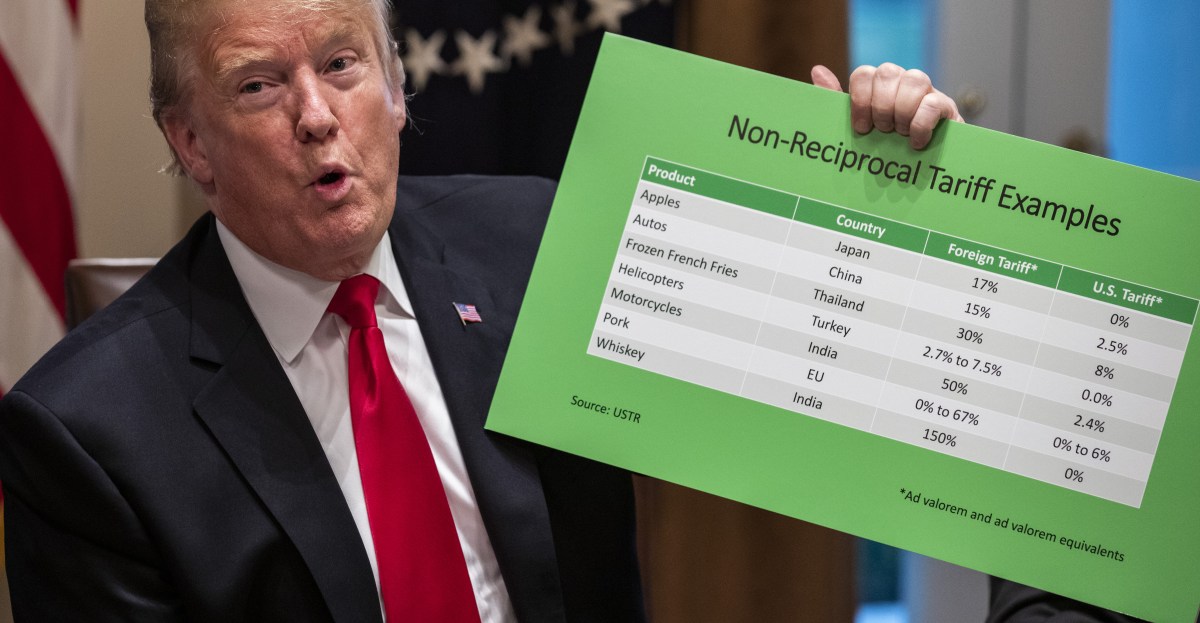
Rethinking Tariffs: Crafting Policies for a Global Economy
As nations grapple with the complexities of international trade, the need for effective tariff policies has never been more crucial. With the rise of globalization, economies are more interconnected than ever, making it essential to rethink tariffs and their implications on domestic and global scales. Crafting innovative tariff policies can drive economic growth while balancing domestic interests, ensuring that countries are not only competitive but also equitable.
The Role of Tariffs in a Global Economy
Tariffs, essentially taxes imposed on imported goods, serve multiple purposes in international trade. They can protect nascent industries, generate revenue for governments, and influence consumer behavior. However, as the landscape of global trade evolves, traditional tariff strategies may no longer suffice. Rethinking tariffs means considering their broader implications on economic growth, innovation, and international relations.
- Protectionism vs. Free Trade: The debate between protectionist policies and free trade agreements is ongoing. While tariffs can shield domestic industries from foreign competition, they can also lead to trade wars that harm economic growth.
- Revenue Generation: Tariffs can provide essential funding for government programs, yet reliance on them can be a double-edged sword, especially when trade relations sour.
- Consumer Impact: Increased tariffs often lead to higher prices for consumers, which can stifle demand and affect overall economic health.
Innovative Approaches to Tariff Policies
Given the challenges faced by traditional tariff systems, innovative approaches are necessary. Policymakers can explore a variety of strategies to create a more balanced and effective tariff framework.
1. Dynamic Tariff Structures
One innovative approach involves implementing dynamic tariff structures that can adjust based on economic indicators. For instance, tariffs could be lowered during economic downturns to stimulate consumer spending and raised during periods of economic growth to protect domestic industries. This flexibility allows governments to respond to changing economic conditions proactively.
2. Environmental Tariffs
As climate change becomes a pressing global issue, integrating environmental considerations into tariff policies is crucial. Environmental tariffs could be imposed on goods that do not meet specific sustainability standards. This encourages foreign producers to adopt greener practices while also providing an economic incentive for domestic industries that prioritize sustainability.
3. Technology and Innovation Tariffs
In the age of technology, tariffs could be designed to encourage innovation. For example, countries could implement lower tariffs on high-tech imports that contribute to advancements in renewable energy or healthcare. Conversely, tariffs could increase on outdated technologies, pushing companies to innovate and modernize.
Balancing Domestic and International Interests
A key challenge in crafting effective tariff policies is balancing domestic interests with international obligations. Countries must navigate the delicate interplay between protecting local industries and adhering to international trade agreements. A transparent policymaking process that includes various stakeholders can help achieve this balance.
- Engaging Stakeholders: Involving industry leaders, labor unions, and consumer advocacy groups in the tariff policymaking process can lead to more comprehensive and equitable policies.
- Trade Agreements: Countries should work within the framework of international trade agreements to negotiate favorable tariff conditions that benefit all parties involved.
- Monitoring and Evaluation: Regularly assessing the impact of tariff policies on different sectors is essential for making informed adjustments and ensuring that domestic industries thrive.
The Future of Tariffs in a Globalized World
As we look to the future, the role of tariffs in a globalized economy will continue to evolve. The rise of e-commerce, digital trade, and new economic powers presents both challenges and opportunities. Countries must remain agile, adapting their tariff strategies to reflect these changes.
- Digital Tariffs: With the growth of digital goods and services, the concept of tariffs may expand to include digital products, necessitating a rethink of how we define and tax international trade.
- Collaborative Approaches: Increasingly, countries may find that collaborative approaches to tariff policies lead to more significant benefits. Joint initiatives to address shared challenges can foster goodwill and mutual economic growth.
- Resilience in Supply Chains: The COVID-19 pandemic highlighted vulnerabilities in global supply chains. Countries could rethink tariffs as part of a broader strategy to build more resilient supply chains that can withstand future shocks.
Conclusion
Rethinking tariffs is not merely an economic necessity; it’s a strategic imperative in our interconnected world. Crafting innovative tariff policies that enhance economic growth while balancing domestic interests is crucial for navigating the complexities of international trade. By adopting dynamic, environmentally-focused, and technology-driven tariff strategies, nations can foster a more inclusive and sustainable global economy.
Ultimately, the future of tariffs will depend on our ability to collaborate internationally while also protecting our local industries. As we move forward, it’s vital to engage all stakeholders in this process, ensuring that tariffs serve as tools for growth and equity rather than barriers to progress. With thoughtful policymaking and an eye towards innovation, we can create a tariff framework that supports a vibrant global economy.
See more CCTV News Daily