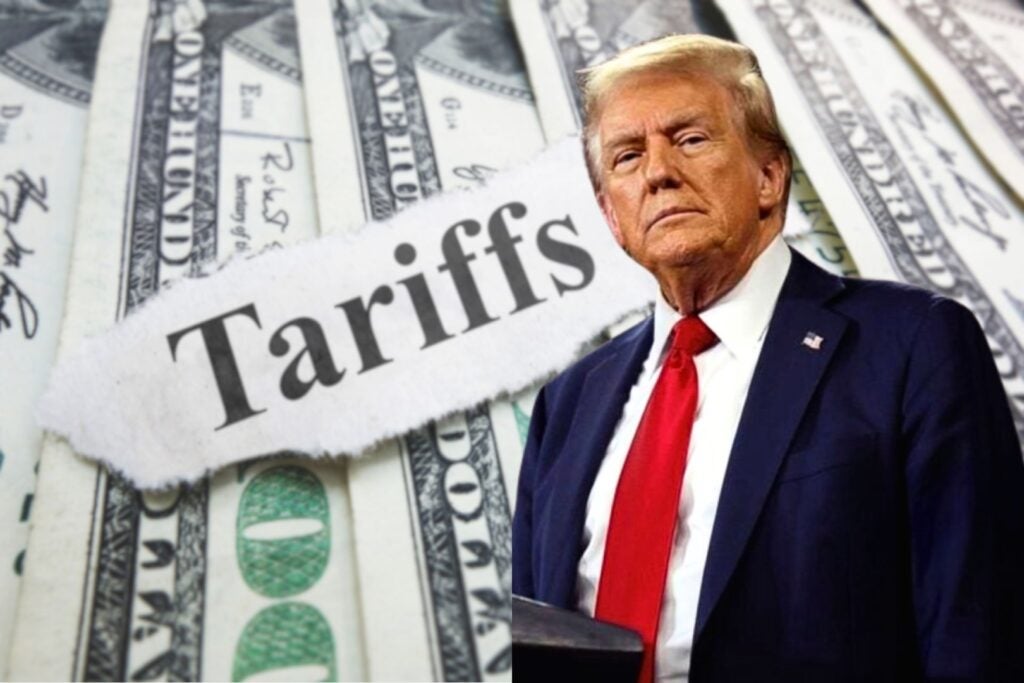
Trump’s Tariff Policy Sends Shockwaves Through Global Markets
President Donald Trump’s aggressive tariff strategy is destabilizing international markets, triggering a weakened U.S. dollar and a sharp decline in oil prices. Over the past month, escalating trade tensions have rattled investors, forcing economies worldwide to recalibrate. Experts warn the policy could stifle growth, while proponents argue it protects domestic industries. Here’s how the ripple effects are unfolding.
The Immediate Impact on Currency and Commodities
The U.S. dollar has slumped to a three-month low against a basket of major currencies, dropping 2.3% since the latest tariffs took effect. Simultaneously, Brent crude oil prices plunged below $70 per barrel—a 12% quarterly decline—as fears of reduced global demand intensified. “The market is pricing in a prolonged trade war,” says Claudia Reynolds, chief economist at Bernstein & Locke. “Investors are fleeing to safe-haven assets like gold and the yen.”
Key repercussions include:
- Export strain: American farmers and manufacturers face retaliatory tariffs from China and the EU.
- Inflation risks: Import costs for U.S. businesses could rise by $38 billion annually, per the Tax Foundation.
- Supply chain disruptions: Auto and tech sectors report delays due to tariff-driven material shortages.
Diverging Perspectives on Economic Strategy
While critics decry the tariffs as destabilizing, supporters highlight short-term gains. The U.S. steel industry, for instance, saw a 15% production boost since 2018. “This policy corrects decades of unfair trade practices,” argues trade analyst Mark Sullivan. Yet IMF data projects a 0.5% reduction in global GDP if tensions persist.
Emerging markets bear the brunt. Brazil’s real and India’s rupee have depreciated over 5% against the dollar this year. “Developing economies lack the fiscal buffers to absorb these shocks,” notes World Bank economist Priya Varma.
Investor Strategies in a Volatile Climate
Hedge funds and institutional investors are pivoting to defensive stocks—utilities, healthcare, and consumer staples—which outperformed the S&P 500 by 8% last quarter. Meanwhile, tech giants like Apple and Tesla face headwinds; their overseas revenue exposure exceeds 50%.
Bond markets also reflect anxiety. The 10-year Treasury yield dipped to 1.9%, signaling muted growth expectations. “The flight to bonds suggests recession fears aren’t overblown,” warns fixed-income strategist David Lin.
Long-Term Implications and What’s Next
If tariffs remain, analysts foresee:
- A reshoring of some industries, but at higher consumer costs.
- Accelerated decoupling between U.S. and Chinese tech sectors.
- Potential WTO disputes that could take years to resolve.
The Federal Reserve’s next move is critical. Rate cuts could offset some damage but may fuel asset bubbles. For now, businesses are urged to diversify supply chains and hedge currency risks.
Stay informed with our weekly market analysis— subscribe to our newsletter for real-time updates on trade policy shifts.
See more CCTV News Daily