“`html
Unveiling the Trade Barriers: Which Nations Levy the Steepest Tariffs on American Goods?
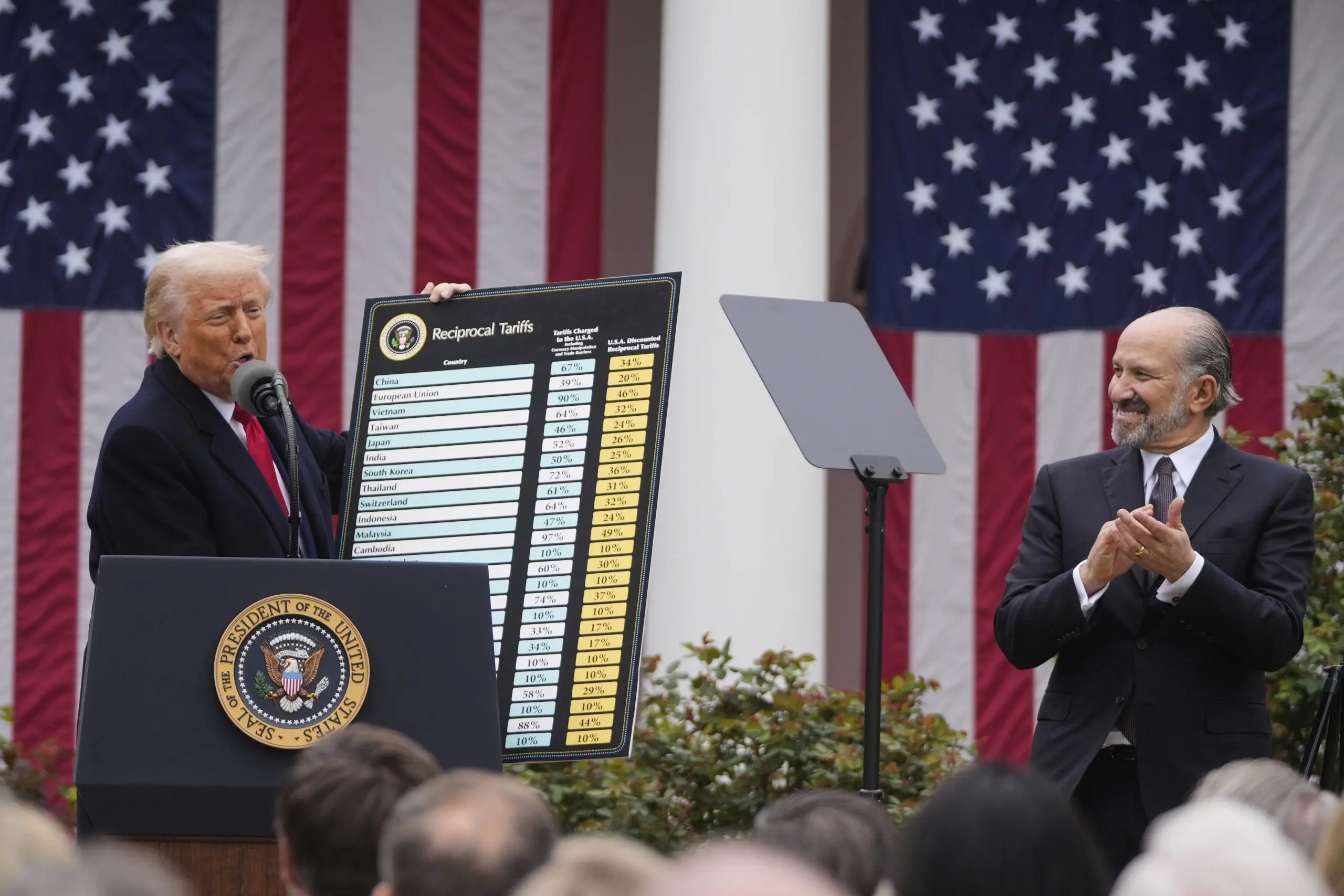
As global trade tensions simmer, a pressing question emerges: which countries impose the highest tariffs on U.S. exports? Recent data reveals that nations like India, Brazil, and Turkey top the list, with some tariffs exceeding 50% on specific American products. These barriers impact industries from agriculture to automotive, reshaping trade strategies and diplomatic relations. Here’s an in-depth look at the steepest tariffs and their ripple effects.
The Global Landscape of Tariffs on U.S. Exports
According to the World Trade Organization (WTO), average global tariffs on American goods hover around 5-10%. However, several nations far exceed this benchmark. For example:
- India imposes tariffs as high as 70% on motorcycles and 50% on automobiles.
- Brazil levies a 35% tariff on U.S. ethanol, stifling biofuel exports.
- Turkey charges 50% on American tobacco, targeting agricultural sectors.
Dr. Elena Rodriguez, a trade economist at the Brookings Institution, notes, “These tariffs are often retaliatory or protective, aiming to shield domestic industries. But they create significant headwinds for U.S. exporters, particularly small and mid-sized businesses.”
Why These Nations Impose High Tariffs
The motivations behind steep tariffs vary. Some nations, like India, cite protectionism to nurture local manufacturing under initiatives like “Make in India.” Others, such as China, employ tariffs as leverage in broader trade disputes. Meanwhile, Brazil’s ethanol tariffs reflect its commitment to favoring domestic sugarcane-based biofuels.
“Tariffs are a double-edged sword,” says Mark Thompson, a senior analyst at the Peterson Institute for International Economics. “While they may protect local jobs in the short term, they often invite retaliation and disrupt global supply chains.”
Sectors Hit Hardest by Tariff Barriers
Certain U.S. industries bear the brunt of these policies:
- Agriculture: Soybeans, dairy, and pork face tariffs up to 30% in China and Mexico.
- Automotive: Luxury cars and motorcycles encounter 50-70% duties in India.
- Technology: Electronics and semiconductors face 15-25% tariffs in Turkey and Russia.
For instance, American farmers lost an estimated $11 billion in 2019 due to Chinese tariffs on soybeans. Similarly, Harley-Davidson relocated some production overseas to bypass India’s punitive tariffs.
The Ripple Effects on U.S. Trade Relations
High tariffs strain diplomatic ties and spark countermeasures. The U.S. has retaliated with its own tariffs, such as the 25% levy on steel imports from Turkey. These tit-for-tat moves escalate costs for consumers and businesses alike.
However, some experts argue tariffs can spur innovation. “When faced with barriers, companies often diversify markets or improve efficiency,” says Rodriguez. “But the transition is painful.”
As trade wars simmer, businesses must adapt by:
- Exploring alternative markets in Southeast Asia or Africa.
- Lobbying for bilateral trade agreements to reduce tariffs.
- Investing in local production to circumvent import duties.
The Biden administration has prioritized renegotiating trade deals, but progress remains slow. For now, exporters must brace for a fragmented global market.
Call to Action: Stay informed on tariff updates by subscribing to our trade policy newsletter or consulting the U.S. International Trade Commission’s latest reports.
“`
See more CCTV News Daily