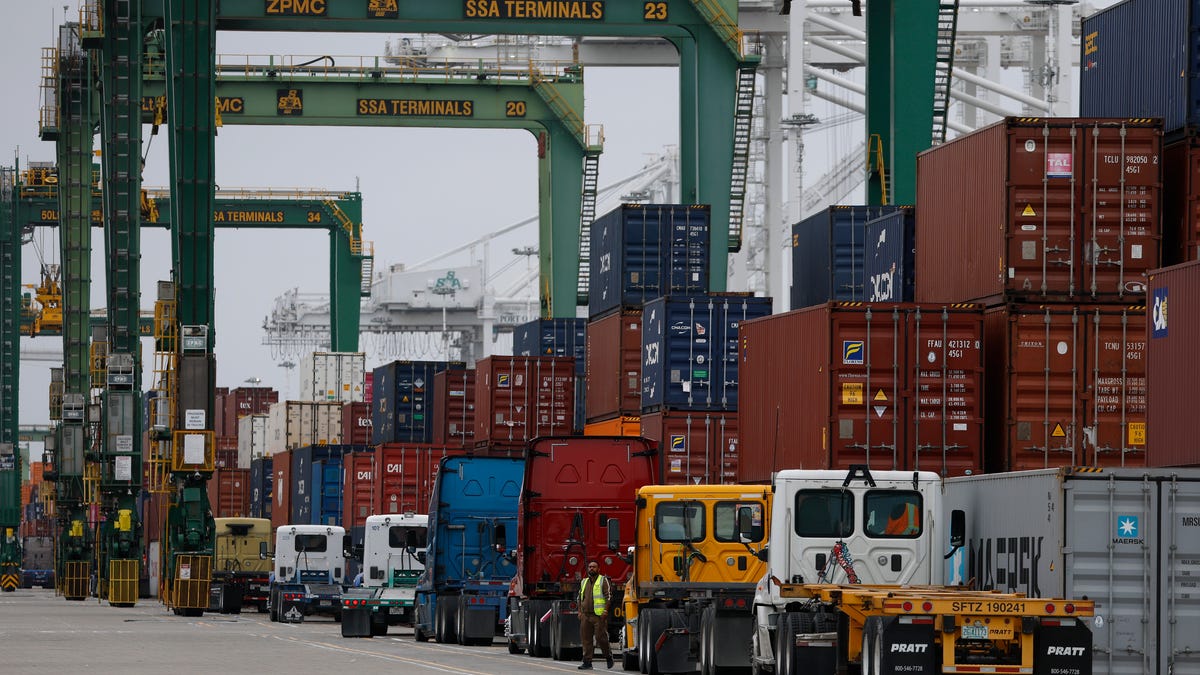
Unraveling the Impact: How Trump’s Tariffs Are Shaping the Economy
Former President Donald Trump’s tariffs, initially imposed in 2018, continue to reverberate across the U.S. economy, with new data revealing mixed consequences for industries, consumers, and global trade. As inflation lingers and supply chains adapt, economists and policymakers are scrutinizing whether these trade barriers achieved their intended goals—or inadvertently exacerbated economic strain. Here’s what the latest indicators show.
The Genesis of Trump’s Tariff Strategy
Trump’s administration levied tariffs on over $300 billion worth of Chinese imports, alongside duties on steel, aluminum, and goods from other trading partners. The rationale was twofold: protect domestic industries from unfair competition and force trading partners to negotiate more favorable terms. However, the outcomes have been far from straightforward.
“The tariffs were a blunt instrument aimed at reshoring manufacturing,” says Dr. Linda Chen, a trade economist at the Brookings Institution. “While they provided short-term relief for some sectors, the long-term costs—higher prices for businesses and consumers, retaliatory measures—were underestimated.”
Economic Strain: Industries and Consumers Bear the Brunt
Recent studies highlight the tariffs’ uneven impact:
- Manufacturing: Steel and aluminum producers saw a 15% boost in production, but downstream industries like automotive and construction faced $6.5 billion in higher costs, per the Peterson Institute for International Economics.
- Agriculture: Retaliatory tariffs slashed U.S. soybean exports to China by 75% in 2018-2019, triggering a $12 billion federal bailout for farmers.
- Consumer Prices: The Federal Reserve found tariffs added 0.3% to annual inflation, costing households an average of $1,200 more per year by 2020.
Small businesses, in particular, struggled to adapt. “We couldn’t absorb the higher costs overnight,” says Mark Reynolds, owner of a Ohio-based appliance parts manufacturer. “Some of us had to cut jobs or raise prices, which drove customers away.”
Global Trade Shifts and Retaliatory Measures
While the tariffs reduced Chinese imports by 10%, trade deficits with other partners like Vietnam and Mexico surged. Meanwhile, China retaliated with its own tariffs, targeting politically sensitive U.S. sectors.
“The trade war didn’t eliminate imbalances; it redistributed them,” notes Rajiv Bhatia, a senior fellow at the Council on Foreign Relations. “Supply chains simply rerouted, often to less efficient or more expensive alternatives.”
Political and Policy Implications
The Biden administration has retained most tariffs, citing strategic concerns over China’s trade practices. However, pressure is mounting for a reevaluation as economic headwinds persist.
Key developments to watch:
- 2024 Election: Trump has vowed to expand tariffs if reelected, proposing a 10% universal levy on all imports.
- WTO Challenges: The World Trade Organization has repeatedly ruled against U.S. tariffs, though enforcement remains weak.
- Bipartisan Legislation: Some lawmakers advocate for targeted tariffs paired with subsidies to bolster domestic innovation.
What’s Next for the U.S. Economy?
Economists warn that prolonged tariffs could stifle growth, especially if global partners escalate trade barriers. Yet proponents argue they’re necessary to counter China’s dominance in critical sectors like semiconductors and green energy.
“The debate isn’t just about economics—it’s about geopolitics,” says Dr. Chen. “The question is whether tariffs alone can secure America’s industrial future, or if they’re just one piece of a much larger puzzle.”
For businesses and consumers, the path forward hinges on policy clarity. As supply chains evolve, adaptability will be key. Stay informed with our weekly trade policy updates to navigate these shifting economic currents.
See more CCTV News Daily