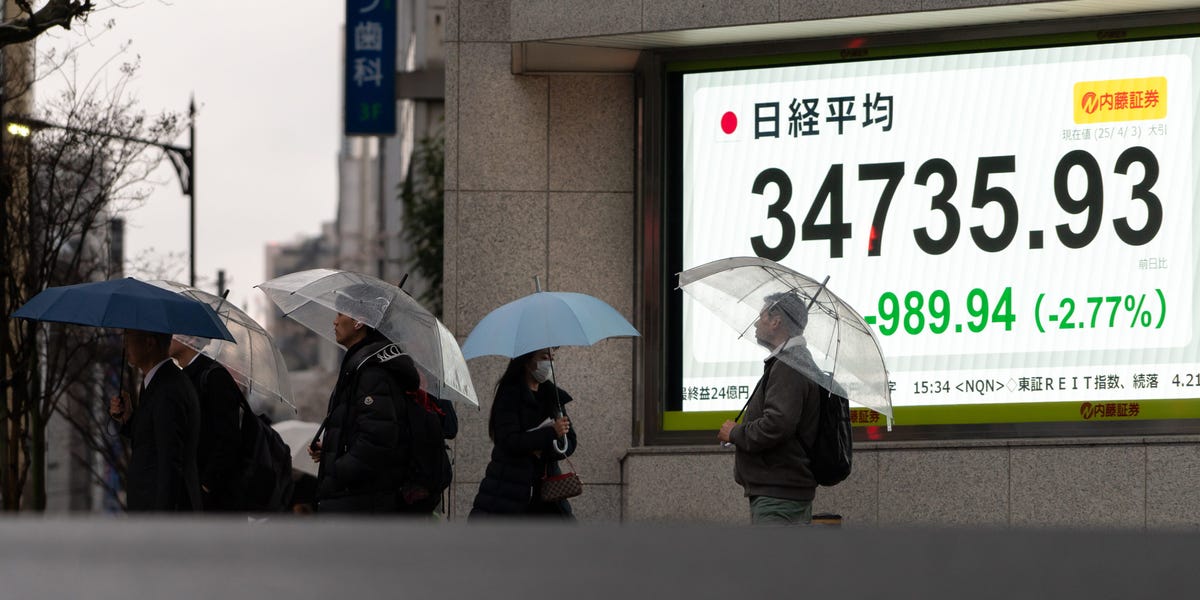
Unpacking the Ripple Effects: How Trump’s Tariffs Are Shaking Global Markets
Former President Donald Trump’s tariffs on imported goods, first implemented in 2018 and still influencing trade today, continue to send shockwaves through global markets. These protectionist policies, targeting allies and rivals alike, have reshaped supply chains, fueled inflation, and triggered retaliatory measures. Economists warn the long-term consequences may outweigh short-term gains as businesses and consumers worldwide grapple with higher costs and disrupted commerce.
The Genesis and Scope of Trump’s Trade War
Trump’s tariffs began with steel and aluminum imports (25% and 10%, respectively) under Section 232 of the Trade Expansion Act, citing national security concerns. By 2019, the U.S. had imposed levies on over $350 billion worth of Chinese goods, with Beijing retaliating on $110 billion of U.S. exports. The Peterson Institute for International Economics estimates these measures cost U.S. companies $51 billion annually in added expenses.
- Key Targeted Sectors: Manufacturing, agriculture, technology
- Average Tariff Increase: From 1.6% (2016) to 3.4% (2023)
- Countries Most Affected: China, EU nations, Canada, Mexico
Domestic Industries: Winners and Losers
While the steel industry saw a 15% production boost by 2021, downstream manufacturers faced crippling input costs. A 2023 Federal Reserve study found tariff-related price hikes eliminated 175,000 U.S. manufacturing jobs—more than the 12,800 created in protected sectors. “The math simply doesn’t favor broad-based benefits,” says MIT economist David Autor. “For every protected job, we lose 14 others to retaliatory measures and inefficiencies.”
Agricultural exports plummeted 42% to China in 2018-19, prompting two farm bailouts totaling $28 billion. Soybean growers, once China’s top suppliers, watched Brazilian competitors capture 75% of that market. Meanwhile, U.S. consumers paid 4.5% more for washing machines and 20% more for solar panels—key tariff targets.
Global Supply Chains: Forced Adaptations
The tariffs accelerated a shift toward “friendshoring,” with companies relocating production to Vietnam, India, and other low-tariff nations. However, these transitions came at a cost:
- Apple spent $1 billion moving some iPhone production from China to India
- EU automakers faced 25% tariffs on U.S.-bound vehicles, slashing exports by 30%
- Mexico became America’s top trade partner by 2023, with bilateral trade hitting $798 billion
Retaliatory Measures and Diplomatic Strains
Allies responded with targeted counter-tariffs. The EU taxed $3.2 billion in U.S. goods, including Harley-Davidson motorcycles and Kentucky bourbon. China’s agricultural tariffs devastated Midwest farmers, while Canada’s 10% levy on U.S. aluminum lasted until 2020. “This wasn’t economic policy—it was geopolitical brinkmanship,” notes former USTR negotiator Wendy Cutler.
The World Trade Organization ruled against U.S. steel tariffs in 2022, but with the appellate body inoperative since 2019, enforcement remains unlikely. This paralysis has weakened confidence in multilateral trade systems, with 68% of global executives surveyed by McKinsey now prioritizing regional over global supply chains.
Long-Term Consequences and Future Outlook
Five years after implementation, the tariffs’ legacy includes:
- Inflation: Contributed 0.5 percentage points to 2022’s 8.6% CPI surge
- Investment Shifts: U.S. FDI in China dropped 45% since 2016
- Policy Precedent: Biden retained 97% of Trump-era tariffs
As the 2024 election looms, economists urge recalibration. “Strategic tariffs on critical sectors like semiconductors make sense,” suggests Harvard’s Dani Rodrik, “but blanket policies create more casualties than victories.” With global trade growth projected to slow to 1.7% in 2024 (down from 4.9% in 2022), businesses must prepare for continued volatility.
For ongoing analysis of trade policy impacts, subscribe to our weekly global markets newsletter. Our team tracks tariff developments across 12 key industries, delivering actionable insights straight to your inbox.
See more CCTV News Daily