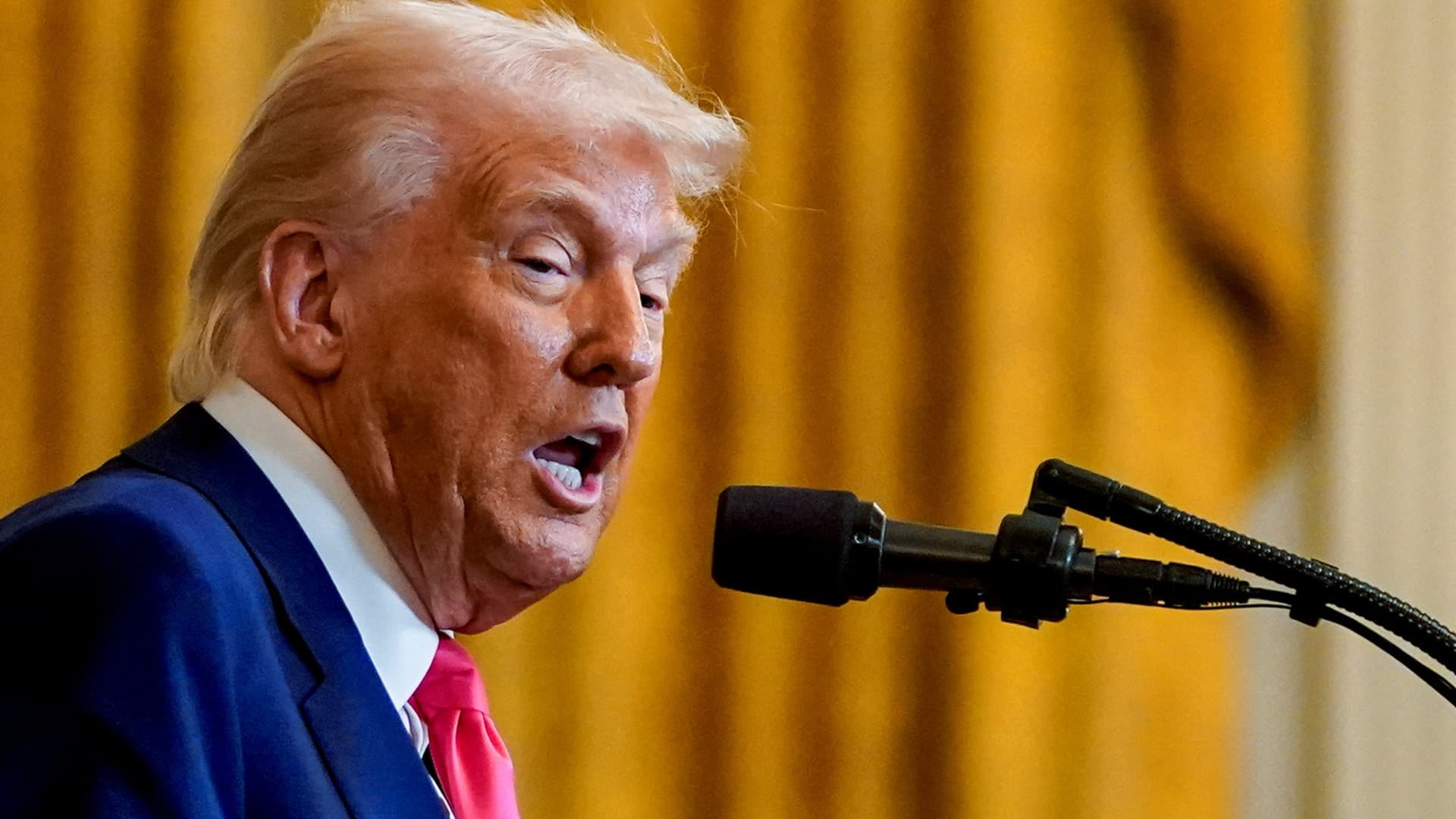
Unpacking Trump’s New Tariffs: What They Mean for Global Trade
Former President Donald Trump has proposed sweeping new reciprocal tariffs on imports, reigniting debates about protectionism and global commerce. The measures, which could take effect as early as 2025 if he wins the November election, target countries with high trade barriers against U.S. goods. Economists warn the policy may trigger inflation, supply chain disruptions, and retaliatory actions, while supporters argue it will protect American industries. Here’s what businesses and consumers need to know.
The Scope and Rationale Behind the Proposed Tariffs
The plan calls for a blanket 10% tariff on all imports, with higher rates—potentially exceeding 60%—on goods from nations deemed to have unfair trade practices. Trump has framed the policy as a tool to force trading partners to lower their own barriers. “If they charge us, we charge them—it’s that simple,” he stated at a recent rally. The proposal echoes his first-term approach but with broader reach.
Data from the Peterson Institute for International Economics suggests such tariffs could impact over $3 trillion in annual trade. Key sectors at risk include:
- Automobiles: The U.S. imported $360 billion worth of vehicles and parts in 2023.
- Electronics: Consumer tech imports topped $500 billion last year.
- Industrial materials: Steel and aluminum tariffs would resurge, affecting construction and manufacturing.
Potential Economic Fallout and Industry Reactions
Critics liken the strategy to “economic brinkmanship.” Dr. Laura Tyson, a former White House economic advisor, warns, “Global supply chains are still recovering from pandemic shocks. Layering on tariffs could stall growth and raise consumer prices by 2-3% annually.” Small businesses, which rely heavily on imported components, are particularly vulnerable. A National Retail Federation survey found 78% of retailers expect cost increases would be passed to shoppers.
However, some industries applaud the move. The Alliance for American Manufacturing argues tariffs would level the playing field against subsidized foreign competitors. “China’s steel overcapacity depresses global prices,” said spokesperson Robyn Boerstling. “Targeted tariffs are necessary to defend U.S. jobs.”
Geopolitical Implications and Retaliation Risks
Analysts predict swift retaliation from the European Union, China, and Mexico—all of which previously countered U.S. tariffs during Trump’s first term. In 2018, Beijing imposed duties on $110 billion of American agricultural exports, devastating soybean farmers. The EU has already drafted a 25% levy on bourbon and motorcycles in contingency plans.
Emerging markets could face collateral damage. Countries like Vietnam and Thailand, which export electronics and textiles to the U.S., might see demand plummet. Meanwhile, the World Trade Organization (WTO) may challenge the tariffs, though its authority has been weakened by past U.S. blockades of dispute rulings.
Long-Term Outlook for Trade and Supply Chains
If implemented, the tariffs could accelerate two trends: nearshoring (moving production closer to the U.S.) and decoupling from China. Mexico’s exports to the U.S. hit a record $475 billion in 2023, partly due to companies relocating operations. Still, reshoring is costly and slow—a Boston Consulting Group study estimates full supply chain restructuring takes 5–7 years.
For consumers, the immediate effects would include:
- Higher prices on everyday goods, from clothing to electronics
- Potential shortages of niche products reliant on imports
- Increased demand for domestically made alternatives
Trade experts advise companies to stress-test their supply chains and explore tariff-exempt zones like Foreign Trade Zones (FTZs). “Diversifying suppliers is no longer optional,” said trade lawyer Elena McGovern. “Businesses must map their exposure and lobby for exemptions early.”
Investors, meanwhile, are hedging bets. The S&P 500’s industrial sector has dipped 4% since the proposal gained traction, while domestic manufacturing ETFs saw inflows of $1.2 billion last month.
Conclusion: A High-Stakes Gamble for the Global Economy
The tariff debate underscores a deeper clash between globalization and economic nationalism. While proponents view reciprocal tariffs as leverage, opponents fear a domino effect of trade wars. With the election looming, businesses should monitor policy developments and prepare for multiple scenarios. For actionable insights, subscribe to our trade policy newsletter for weekly analysis on how these changes could affect your bottom line.
See more CCTV News Daily