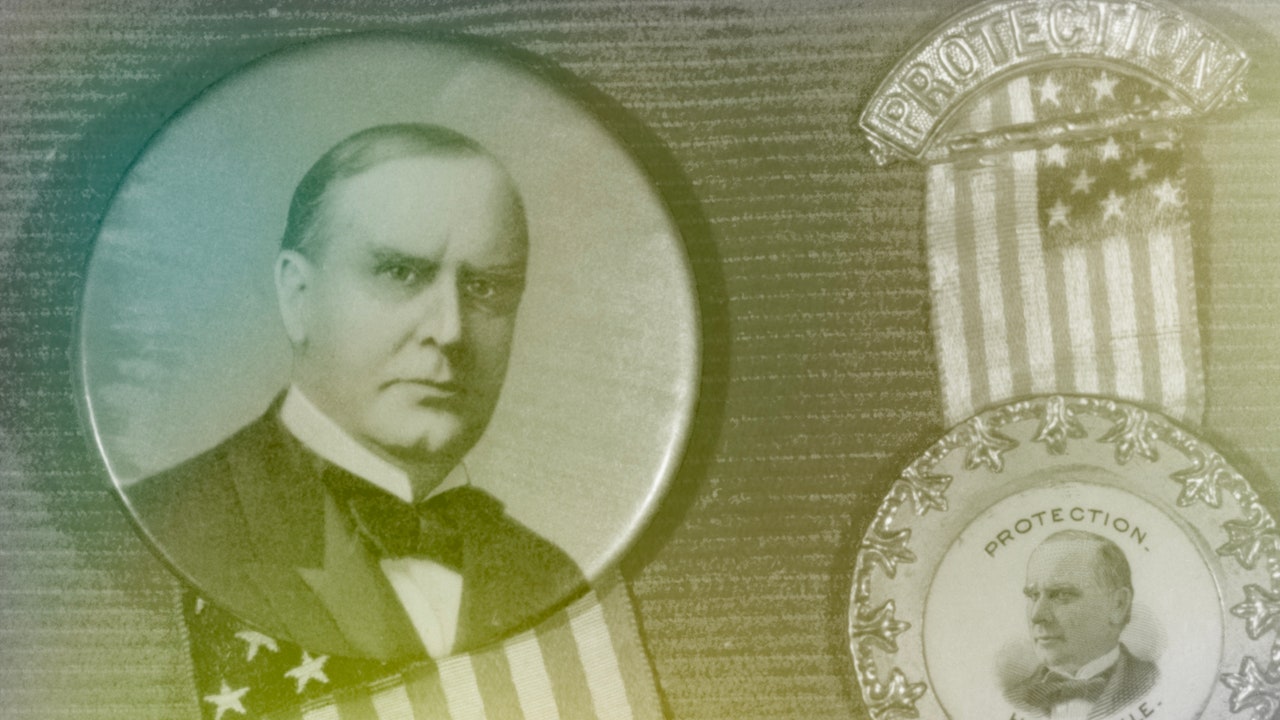
Revisiting Tariffs: Understanding Historical Perspectives on Trade Policies
As we navigate the complexities of modern trade, revisiting tariffs through the lens of history provides invaluable insights. The significance of tariffs in shaping economic landscapes has been a topic of much debate, especially in light of recent political shifts and the policies of former President Donald Trump. Interestingly, Trump’s historical predecessor, a figure whose policies have often been cited by Trump, expressed notable skepticism about the effectiveness of tariffs. This article delves into the intricacies of trade policies, examining how tariffs have evolved and their implications on the economy.
The Historical Context of Tariffs
Tariffs, taxes imposed on imported goods, have been utilized by nations for centuries as a means to protect domestic industries and generate revenue. The United States has a long and storied history with tariffs, dating back to the early years of its formation. The Tariff of 1789, for instance, aimed to generate income for the federal government while also protecting nascent American industries from foreign competition.
However, the effectiveness of tariffs has always been a contentious issue. While some argue that they are necessary to shield domestic jobs and industries, others contend that they lead to higher consumer prices and strained international relations. The historical skepticism regarding tariffs is epitomized by the sentiments of President Abraham Lincoln, who, despite implementing protective measures during his presidency, recognized the potential drawbacks of such policies.
Trump and His Tariff Policies
Fast forward to recent years, and the discussion surrounding tariffs has resurfaced prominently in American politics, notably during Trump’s administration. Trump championed tariffs as a way to revitalize American manufacturing and combat what he termed “unfair trade practices.” His administration imposed significant tariffs on steel and aluminum, as well as a range of goods from China, aiming to protect American jobs and industries.
However, the results of these policies have been mixed. While some sectors, particularly steel and aluminum, saw temporary boosts, many economists warned of unintended consequences. Increased costs for manufacturers often trickled down to consumers, leading to higher prices for everyday goods. This paradox raises the question: do the short-term benefits of tariffs outweigh the long-term economic burdens they may impose?
Insights from Historical Predecessors
When reflecting on Trump’s tariff policies, it’s essential to consider the insights from historical figures who grappled with similar challenges. For example, during the late 19th and early 20th centuries, President William Howard Taft faced significant pressure to implement protective tariffs. While he acknowledged their potential benefits, he also expressed concerns about their broader implications on international relations and domestic economic stability.
Taft famously stated, “I do not believe in the policy of protection. I believe in the policy of free trade.” His perspective highlights a crucial tension in the tariff debate: the balance between protecting domestic industries and fostering healthy international trade relations. This tension resonates today as global economies become increasingly interconnected.
The Economic Implications of Tariffs
Understanding the economic implications of tariffs is crucial for evaluating their effectiveness. At their core, tariffs are intended to achieve several objectives:
- **Protect Domestic Industries**: By making foreign goods more expensive, tariffs aim to level the playing field for domestic manufacturers.
- **Generate Revenue**: Tariffs serve as a source of income for governments, especially in developing economies.
- **Influence Trade Balances**: By altering the costs of imported goods, tariffs can impact a nation’s trade balance.
However, the broader economic effects can be complex:
- **Higher Consumer Prices**: Tariffs often lead to increased costs for consumers, as businesses pass on the higher prices of imported goods.
- **Retaliatory Measures**: Imposing tariffs can provoke retaliatory actions from trading partners, leading to trade wars that can harm all involved economies.
- **Supply Chain Disruptions**: In a globalized economy, tariffs can disrupt established supply chains, impacting production and logistics.
The Role of Globalization in Tariff Policy
Globalization has dramatically transformed the trade landscape, complicating the role of tariffs. With supply chains extending across multiple countries, the simplistic notion of protecting domestic industries becomes more challenging. For instance, a product designed in the United States may have components sourced from various countries. Imposing tariffs on certain parts can increase the overall cost, affecting domestic manufacturers reliant on these components.
As economies become intertwined, the focus shifts from tariffs as a standalone solution to more comprehensive trade policies that foster cooperation and mutual benefits. As seen in recent trade agreements, nations are increasingly looking for ways to collaborate rather than erect barriers.
Looking Forward: A Balanced Approach to Trade Policies
As we revisit tariffs and their historical contexts, it becomes clear that a balanced approach to trade policy is essential. Rather than relying solely on tariffs as a tool for economic protection, policymakers should consider a multifaceted strategy that includes:
- **Investing in Workforce Development**: Ensuring that workers have the skills needed for new industries can mitigate the adverse effects of globalization.
- **Encouraging Innovation**: Supporting research and development can bolster domestic industries without resorting to protectionist measures.
- **Fostering International Cooperation**: Building strong relationships with trading partners can lead to mutually beneficial agreements that enhance trade without the need for tariffs.
In conclusion, revisiting tariffs through the historical perspectives of past leaders underscores the complexities of trade policies. While Trump’s administration reignited the discussion on tariffs, the insights from figures like Taft remind us of the need for a nuanced approach. As we move forward, it is imperative to learn from history, balancing protectionism with the opportunities presented by globalization, ensuring that trade policies benefit both domestic industries and international relationships.
See more CCTV News Daily