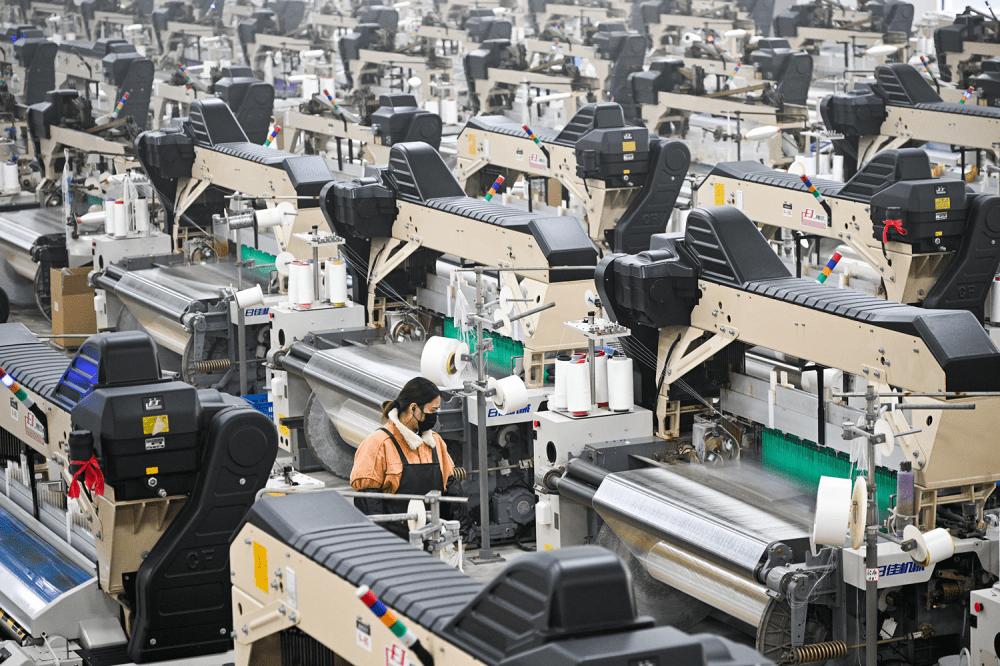
Precision vs. Power: The Art of Tariff Implementation
As global economies become increasingly interconnected, the strategic use of tariffs emerges as a nuanced tool for economic policy. The debate between precision and power in tariff implementation is critical for understanding how nations can use these economic levers effectively. Tariffs, essentially taxes on imported goods, can serve as precise instruments for targeted economic adjustments rather than merely blunt instruments of protectionism.
Understanding Tariffs: A Double-Edged Sword
Tariffs have long been a contentious issue in international trade. On one hand, they can protect domestic industries from foreign competition, fostering local job creation and economic stability. On the other hand, they can lead to retaliation from trading partners, escalate trade wars, and ultimately harm consumers through increased prices and limited choices.
To navigate this complex landscape, policymakers must consider whether their tariff strategies prioritize precision or power. Here’s how these two approaches differ:
- Precision: This approach focuses on selectively targeting specific industries or products that require protection or adjustment. It aims to fine-tune the economy, addressing issues like trade imbalances or unfair competitive practices.
- Power: This method employs broad, sweeping tariffs aimed at exerting influence or pressure on other nations. It’s often more about demonstrating economic strength than addressing particular economic vulnerabilities.
The Case for Precision in Tariff Implementation
When tariffs are designed with precision, they can effectively address specific economic issues without causing widespread harm. Here are some advantages of a precise approach:
- Targeted Relief: Precision allows governments to focus on sectors that are genuinely struggling due to unfair competition. For example, tariffs on steel imports can help protect domestic steel manufacturers facing a surge in low-cost imports.
- Minimized Consumer Impact: By carefully selecting which products to tariff, policymakers can protect industries without imposing excessive costs on consumers. This approach can preserve consumer choice and keep prices stable.
- Encouraging Fair Trade Practices: Precision in tariffs can be used as a tool to encourage fair trade practices. For instance, imposing tariffs on countries that engage in currency manipulation can push them to adopt more equitable policies.
Challenges of Precision in Tariff Implementation
While precision offers many benefits, it’s not without its challenges. The complexity of global supply chains means that even targeted tariffs can have unintended consequences:
- Complex Supply Chains: Modern manufacturing often involves intricate global supply chains. A tariff on one component can ripple through the entire production process, leading to higher costs for consumers and manufacturers alike.
- Political Backlash: Targeting specific industries can lead to political backlash from affected groups. Policymakers must balance economic needs with political realities, which is no small feat.
- Retaliation Risks: Even precision tariffs can provoke retaliation from trading partners, leading to a cycle of escalating tariffs that can harm broader economic interests.
The Power Approach: Broad Tariffs and Their Implications
On the opposite end, the power approach to tariffs can create a strong bargaining position in international negotiations. Here are some of the potential benefits:
- Leverage in Negotiations: Broad tariffs can serve as a tool for leverage in trade negotiations. By imposing tariffs, a country can compel trading partners to come to the table and discuss more favorable terms.
- National Security Concerns: Tariffs can be justified on national security grounds. Protecting key industries is often framed as essential for maintaining a nation’s security and economic independence.
- Symbol of Strength: Broad tariffs can be a powerful symbol of a nation’s resolve to protect its interests. This can rally public support, even if the economic outcomes are mixed.
Drawbacks of the Power Approach
However, the power approach to tariffs has significant drawbacks:
- Economic Distortion: Broad tariffs can distort markets and lead to inefficiencies. Rather than fostering competition, they can create complacency in protected industries.
- Consumer Costs: Tariffs on a wide range of imports increase costs for consumers, as domestic producers may not be able to match the lower prices offered by international competition.
- Global Trade Wars: The power approach risks sparking trade wars, where countries retaliate against each other with escalating tariffs, leading to significant economic instability.
Finding the Balance: A Hybrid Approach
Given the complexities and risks associated with both precision and power in tariff implementation, many economists and policymakers advocate for a hybrid approach. This strategy involves:
- Strategic Targeting: Identify key industries that require protection or adjustment while avoiding broad tariffs that can lead to retaliation.
- Regular Assessments: Continuously assess the impact of tariffs and be willing to adjust them based on economic conditions and trade relationships.
- Collaborative Trade Agreements: Focus on establishing trade agreements that emphasize cooperation and mutual benefit rather than unilateral tariff imposition.
Conclusion: The Future of Tariff Implementation
As nations grapple with the complexities of trade, the strategic use of tariffs will remain a vital component of economic policy. The art of tariff implementation lies in understanding when to wield precision and when to assert power. By focusing on precise, targeted implementations, countries can create more favorable economic conditions while maintaining healthy trade relationships. In contrast, relying solely on broad power dynamics can lead to unintended consequences that ultimately harm both domestic economies and global trade.
Ultimately, the future of tariff policy will depend on the ability of nations to navigate these nuances wisely, balancing the need for protection with the benefits of free trade. The goal should always be to foster an economic environment that is beneficial for all parties involved, using tariffs as tools for positive economic adjustment rather than weapons of economic warfare.
See more CCTV News Daily