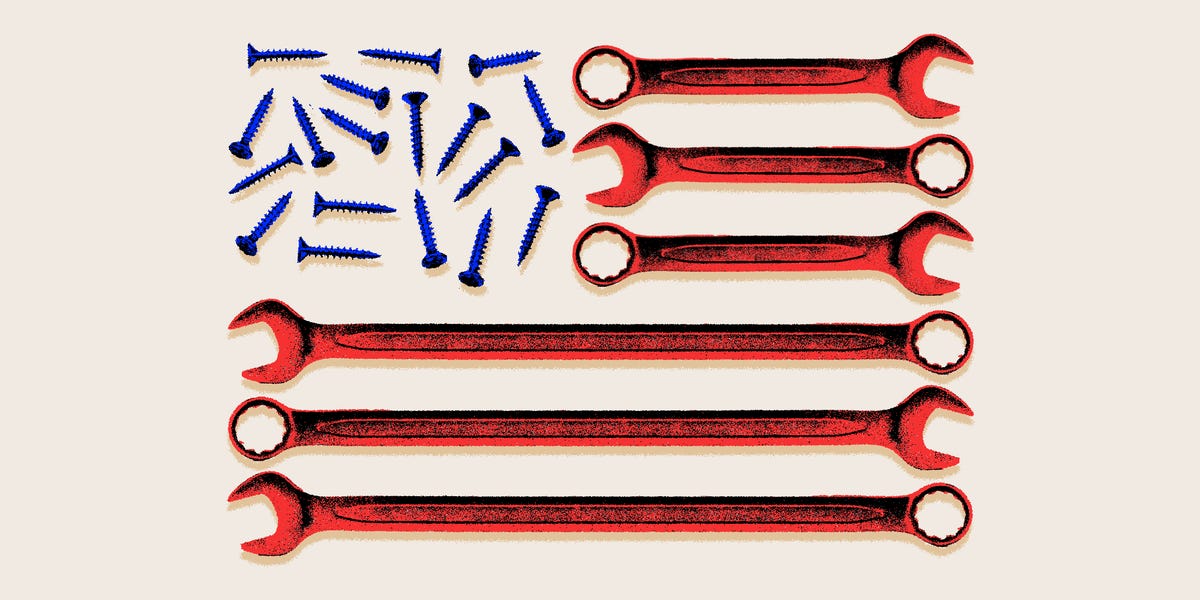
Reviving the Art of Repair: How Trump’s Tariffs Are Shaping American Ingenuity
In an era of disposable consumerism, former President Donald Trump’s tariffs on imported goods have unexpectedly spurred a revival of repair culture in America. Since 2018, increased costs for electronics, appliances, and machinery have pushed consumers and businesses to fix rather than replace items—a shift that aligns with growing sustainability trends. This movement is reshaping industries, fostering self-reliance, and challenging the throwaway economy.
The Tariff Effect: From Replacement to Repair
Trump’s tariffs, which targeted over $300 billion in Chinese imports, initially sparked concerns about higher prices. However, they also created an unintended consequence: a surge in demand for repair services and DIY solutions. According to a 2022 Consumer Reports survey, 58% of Americans opted to repair electronics or appliances due to rising replacement costs—up from 45% in 2017.
“The tariffs forced people to reconsider the true value of what they own,” says Dr. Laura Simmons, an economist at the Brookings Institution. “When a new washing machine costs 20% more, suddenly that YouTube tutorial on fixing a broken drum doesn’t seem so daunting.”
- Electronics repairs rose by 32% between 2019-2022 (iFixit data)
- Small appliance repair shops saw a 27% increase in business (U.S. Bureau of Labor Statistics)
- Right-to-repair legislation gained traction in 18 states since 2020
A Cultural Shift Toward Sustainability
Beyond economics, the repair movement reflects deeper cultural changes. Millennials and Gen Z, who prioritize sustainability, are 40% more likely to attempt repairs than older generations (Pew Research Center). Communities have embraced “repair cafes,” where volunteers help fix everything from toasters to laptops for free.
Portland-based mechanic Jenna Wu exemplifies this trend. Her workshop, Fix It Forward, trains low-income residents in repair skills. “We’re not just saving money—we’re rebuilding a mindset,” Wu says. “Every repaired item is a win against waste.”
Industry Pushback and Innovation
Not all sectors welcome the change. Manufacturers argue that repair mandates could compromise safety and intellectual property. Apple, for instance, lobbied against right-to-repair laws, citing cybersecurity risks. Meanwhile, companies like Framework and Fairphone are capitalizing on the trend by designing modular, repairable devices.
The automotive industry shows a middle path. Facing tariff-related parts shortages, dealerships now offer certified repair programs. “It’s about adapting,” notes Ford’s VP of Sustainability, Mark Richey. “We’re training technicians to extend vehicle lifespans, which benefits consumers and the planet.”
The Future of American Self-Sufficiency
As tariffs remain in place under the Biden administration, the repair movement shows no signs of slowing. Schools are adding vocational repair courses, and startups are developing AI-powered diagnostic tools for home use. The U.S. could see a 15% reduction in e-waste by 2030 if trends continue (EPA projections).
This revival of ingenuity presents an opportunity. By embracing repair culture, Americans can reduce dependency on foreign supply chains, curb environmental harm, and reclaim practical skills. The next step? Advocating for policies that make repair accessible to all—through tax incentives or community programs.
Call to Action: Interested in joining the repair revolution? Visit local repair clinics or support right-to-repair initiatives in your state. Small fixes today can lead to big changes tomorrow.
See more CCTV News Daily