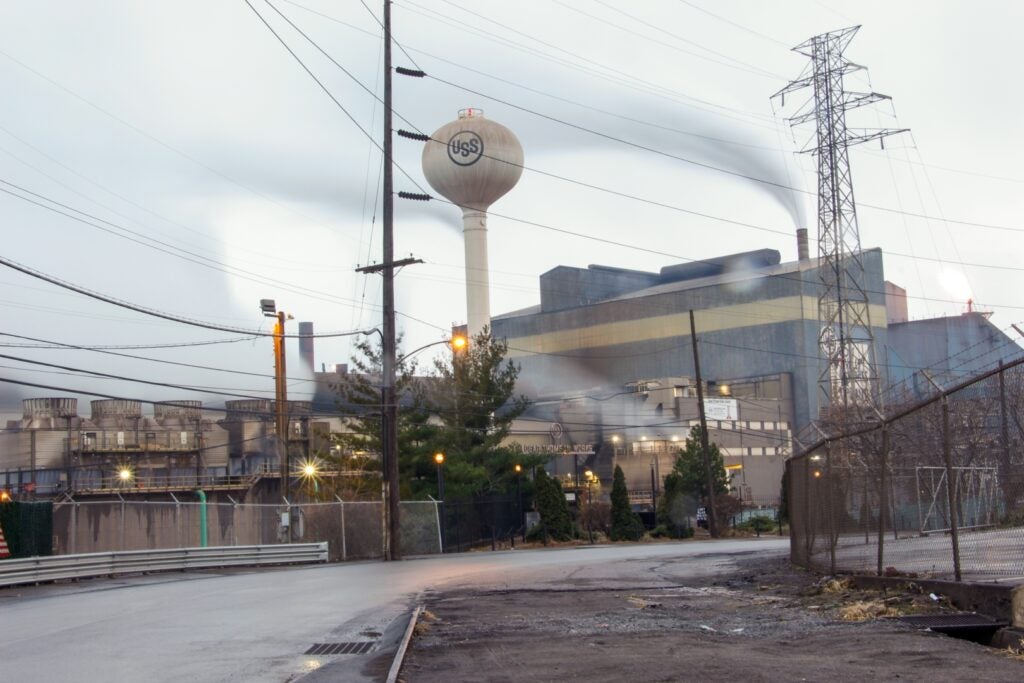
How Trump’s Tariffs Are Reshaping the Steel and Aluminum Landscape
In recent years, the landscape of steel and aluminum manufacturing in the United States has undergone a significant transformation, largely driven by the imposition of tariffs on imports. The 25% tariffs on steel and aluminum, introduced by former President Donald Trump, were intended to bolster domestic production and protect American jobs. As this policy takes effect, companies like U.S. Steel and Nucor find themselves in a position to capitalize on these changes, potentially reshaping the entire industry. This article explores the implications of Trump’s tariffs on the steel and aluminum sectors and the broader effects on global trade dynamics.
The Rationale Behind the Tariffs
When Trump implemented the tariffs in March 2018, the primary goal was to address the long-standing issue of unfair competition from foreign manufacturers, particularly those in China. The administration argued that cheap imports were undermining U.S. producers, leading to job losses and plant closures. By imposing tariffs, the government aimed to level the playing field for American companies, allowing them to compete more effectively.
Supporters of the tariffs pointed out that the U.S. steel industry had been facing a crisis, with many companies struggling to stay afloat. The hope was that by making imported steel and aluminum more expensive, domestic producers would see an uptick in demand, leading to increased production and job creation.
The Initial Impact on Domestic Manufacturers
As the tariffs took effect, companies like U.S. Steel and Nucor began to experience a resurgence. The tariffs created a more favorable environment for domestic production, resulting in:
- Increased Capacity Utilization: Domestic manufacturers ramped up production to meet the growing demand sparked by the tariffs.
- Job Creation: Many companies announced plans to hire more workers or rehire those laid off during previous downturns.
- Investment in Infrastructure: Some manufacturers are investing in new technologies and facilities, further enhancing their competitiveness.
For instance, Nucor Corporation, one of the largest steel producers in the U.S., reported significant increases in earnings and production levels. The company’s proactive approach to leveraging the tariffs has allowed it to expand its market share and solidify its position as a leader in the industry.
Challenges and Criticisms
While the tariffs have provided a boost to domestic manufacturers, they are not without controversy. Critics argue that the tariffs lead to higher prices for consumers and businesses reliant on steel and aluminum. The increased costs can trickle down, affecting everything from construction projects to automotive manufacturing.
Additionally, the tariffs have drawn criticism from international trading partners. Countries affected by the tariffs, particularly Canada, Mexico, and the European Union, retaliated with their own tariffs on U.S. goods. This tit-for-tat scenario has raised concerns about escalating trade tensions and the potential for a trade war.
Global Trade Dynamics Shifting
The imposition of tariffs has not only reshaped the domestic landscape but has also changed the dynamics of global trade. With U.S. manufacturers enjoying a temporary competitive edge, several trends have emerged:
- Supply Chain Adjustments: Companies worldwide are reevaluating their supply chains, looking for ways to mitigate the impact of U.S. tariffs. Some foreign producers are seeking to establish manufacturing operations in the U.S. to avoid tariffs altogether.
- Increased Domestic Production Abroad: Countries that previously relied heavily on exports to the U.S. may focus on ramping up their domestic production to fulfill local demand.
- Investment in Alternative Markets: Foreign producers are also diversifying their markets, seeking new opportunities in regions that are less impacted by U.S. tariffs.
These shifts indicate a broader reconfiguration of the global steel and aluminum markets, as producers adapt to the new regulatory environment.
The Future of the U.S. Steel and Aluminum Industry
Looking ahead, the future of the U.S. steel and aluminum industry remains uncertain but promising. The initial positive impacts of the tariffs have led to optimism among industry leaders, with potential for long-term growth. However, several factors will shape the trajectory of the industry:
- Policy Changes: The Biden administration has signaled a desire to review trade policies, which could lead to changes in tariff regulations. How the current government approaches these tariffs will be critical for the industry’s future.
- Technological Advancements: As manufacturers invest in new technologies, efficiency and sustainability will likely become focal points in production, influencing competitiveness.
- Global Competition: The ongoing competition from foreign producers will remain a challenge. The ability of U.S. manufacturers to innovate and adapt will be crucial in maintaining their advantages.
In conclusion, Trump’s tariffs have undeniably reshaped the steel and aluminum landscape in the United States. While they have provided a much-needed boost to domestic manufacturers like U.S. Steel and Nucor, the broader implications for consumers, global trade dynamics, and future policy changes remain to be fully understood. As the industry continues to evolve, the key will be balancing protection for domestic producers while fostering a competitive and fair trading environment that benefits all stakeholders involved.
See more CCTV News Daily