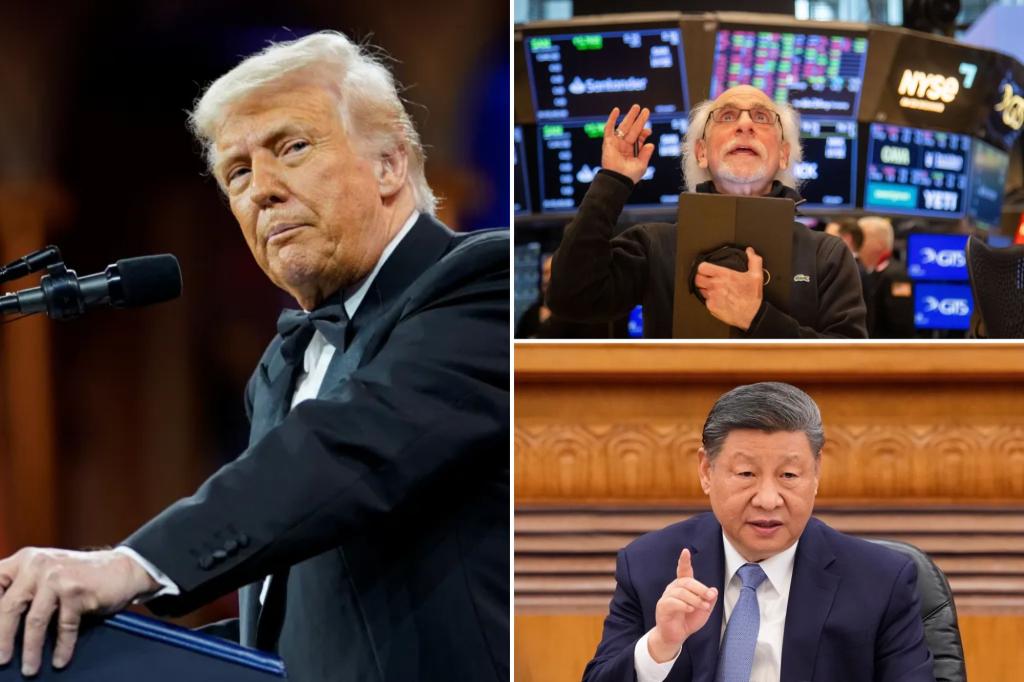
Trump’s ‘Be Cool’ Directive Amidst Soaring Tariffs: What’s at Stake?
As unprecedented tariffs—including a 104% duty on Chinese electric vehicles—take effect, President Donald Trump has urged Americans to “stay cool” amid escalating trade tensions. The measures, implemented this week, target $18 billion in Chinese imports and have triggered immediate retaliation from Beijing. Economists warn the moves could disrupt global supply chains, inflate consumer prices, and reshape U.S. trade relationships ahead of the November election.
The Tariff Surge: By the Numbers
The Biden administration’s latest tariffs represent the most aggressive trade policy shift since the 2018-2019 U.S.-China trade war. Key figures reveal the scale:
- 104% tariff on Chinese EVs, up from 25%
- 50% duty on solar cells and semiconductors
- 25% increase on steel, aluminum, and medical equipment
- $18B in targeted Chinese imports
“This isn’t just economic policy—it’s economic warfare,” remarked Dr. Lina Zhou, senior fellow at the Peterson Institute for International Economics. “The EV tariff effectively blocks China’s auto industry from the U.S. market overnight.”
Global Reactions and Retaliatory Measures
Within hours of the U.S. announcement, China’s Commerce Ministry unveiled countermeasures targeting $3 billion in American agricultural exports, including:
- 15-25% tariffs on soybeans, wheat, and pork
- Export restrictions on rare earth minerals critical for tech manufacturing
European Commission President Ursula von der Leyen expressed concern, stating, “Unilateral tariffs risk fragmenting the global trading system we’ve spent decades building.” Meanwhile, Wall Street reacted sharply, with the Dow Jones Industrial Average dropping 450 points in early trading.
Why Trump Urged Calm Amid the Trade Storm
Speaking at a rally in Michigan, the former president struck an unexpectedly measured tone: “Look, tariffs are necessary, but everyone needs to be cool here. We’ll renegotiate everything—better, stronger—after the election.” Analysts suggest this reflects strategic positioning.
“Trump recognizes voters care about price stability,” explained GOP strategist Mark Weaver. “He wants to appear tough on China without spooking markets before November.”
However, Treasury Secretary Janet Yellen countered: “These measures will inevitably raise costs for American families. The administration is playing with economic fire in an election year.”
Sector-Specific Impacts Emerging
Early effects are already visible across industries:
- Automotive: Tesla shares fell 6% on fears of Chinese retaliation
- Agriculture: Chicago soybean futures dropped to 10-month lows
- Renewables: Solar installation companies warn of project delays
The Peterson Institute estimates the tariffs could:
- Add $500 annually to average household expenses
- Reduce U.S. GDP growth by 0.3% in 2025
- Cost 175,000 manufacturing jobs if retaliation escalates
Historical Parallels and Divergences
While reminiscent of Trump’s 2018 tariffs, key differences emerge:
| Factor | 2018 Tariffs | 2024 Tariffs |
|---|---|---|
| Primary Target | Broad industrial goods | Strategic tech sectors |
| Inflation Context | 1.9% CPI | 3.4% CPI |
| Global Support | Limited allies | EU considering similar EV tariffs |
What Comes Next in the Trade Standoff?
Observers identify three potential scenarios:
- Negotiated Ceasefire: Behind-the-scenes talks post-election
- Escalation Spiral: Expanding to other sectors like pharmaceuticals
- Tech Decoupling: Permanent separation of U.S./China supply chains
As the economic chess game unfolds, businesses are advised to diversify suppliers and consumers should brace for higher prices on electronics, vehicles, and green energy products. The full impact won’t be clear for months, but one truth emerges: in global trade wars, there are no true winners—only degrees of loss.
Stay informed on developing trade policies by subscribing to our daily economic briefing.
See more CCTV News Daily