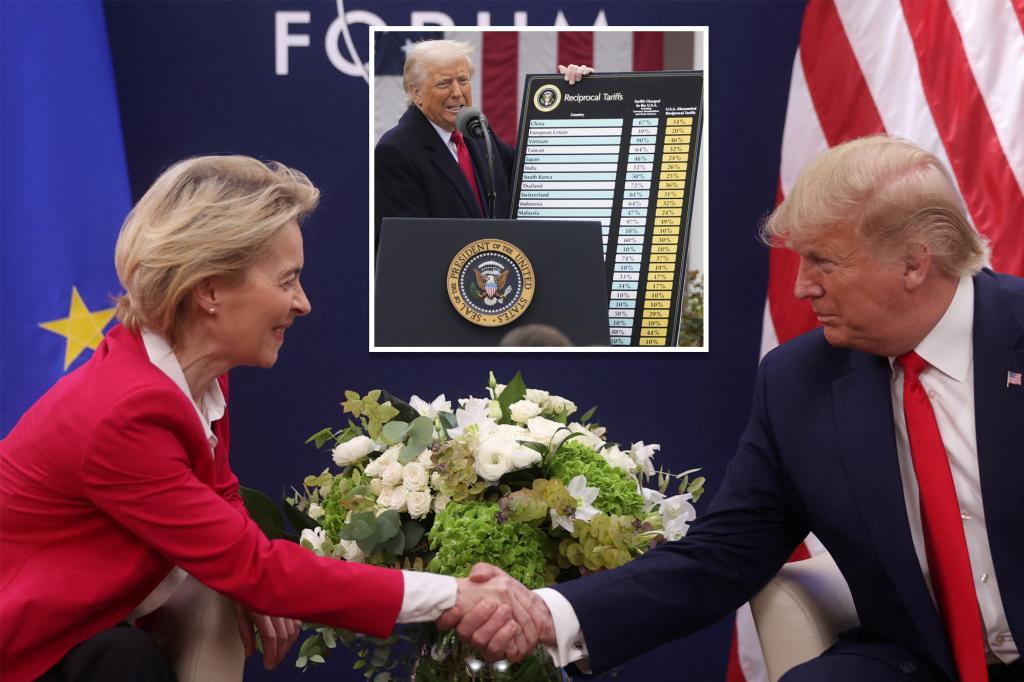
Trump’s Tariff Deadline Extension: A Diplomatic Shift with the EU?
In a significant and unexpected diplomatic maneuver, President Donald Trump has announced a postponement of the planned 50% tariffs on European goods. This decision follows a constructive dialogue with leaders from the European Union (EU), sparking renewed optimism about transatlantic trade relations. This article delves into the implications of this shift and what it could mean for future economic interactions between the U.S. and Europe.
Understanding the Tariff Landscape
Tariffs have been a cornerstone of President Trump’s economic strategy, aimed at protecting American industries and reducing trade deficits. The proposed 50% tariffs were set to apply to a wide range of European products, including automobiles, machinery, and luxury goods. This bold move was met with widespread concern from economists and businesses alike, fearing potential retaliation from the EU and a possible trade war.
Reasons Behind the Postponement
The decision to delay these tariffs appears to be influenced by several key factors:
- Constructive Dialogue: The discussions between U.S. and EU leaders have reportedly been more productive than anticipated. Both sides are showing a willingness to negotiate and find common ground.
- Economic Considerations: The potential negative impact of tariffs on American consumers and industries likely played a role. Higher prices on imported goods could hurt domestic spending and economic growth.
- Geopolitical Strategy: With rising tensions globally, maintaining strong ties with Europe could be seen as a strategic imperative for the U.S.
Potential Economic Implications
The extension of the tariff deadline could have various ramifications for transatlantic trade:
- Positive Impact on Trade Relations: This delay might lead to improved relations, fostering an environment conducive to negotiations and trade agreements.
- Market Stability: By avoiding immediate tariff implementation, markets may experience increased stability, benefiting investors and businesses on both sides of the Atlantic.
- Joint Economic Initiatives: The possibility of collaborative initiatives on technology, climate change, and trade regulations could emerge from this diplomatic engagement.
A Shift in Diplomatic Strategy?
Trump’s approach toward the EU has often been characterized by skepticism and confrontation. However, this recent development indicates a possible shift towards diplomacy and cooperation. Analysts suggest that the administration may recognize the importance of a unified transatlantic front against common challenges, such as China’s growing influence in global markets.
Expert Opinions
Economic experts and political analysts have weighed in on this development:
“This extension could be a turning point in U.S.-EU relations. If both sides can navigate these discussions effectively, it might lead to broader economic partnerships,” said Dr. Emily Hart, a trade policy expert at the Brookings Institution.
“Tariffs have a cascading effect on global supply chains. Delaying their implementation allows companies time to adjust and negotiate better terms,” noted Johnathan Reed, an economist at the International Monetary Fund.
Future Prospects
As the U.S. and EU continue their discussions, the future of transatlantic trade remains uncertain yet hopeful. The potential for a comprehensive trade agreement hinges on both sides demonstrating flexibility and a commitment to mutual benefits.
Key Areas for Cooperation
Several sectors may benefit from enhanced cooperation between the U.S. and EU, including:
- Technology and Innovation: Collaborative efforts in emerging technologies could lead to shared standards and regulations.
- Environmental Initiatives: Joint actions on climate change could foster goodwill and open new trade avenues.
- Healthcare and Pharmaceuticals: Collaborative research and drug approval processes could enhance public health outcomes.
Conclusion: A Moment of Opportunity
President Trump’s decision to delay tariffs on European goods could mark a pivotal moment for U.S.-EU relations. As both sides navigate this diplomatic landscape, the potential for economic cooperation and mutual benefit is greater than ever. Stakeholders across industries should remain vigilant and proactive, as the outcomes of these discussions will undoubtedly shape the future of transatlantic trade.
Call to Action: Stay informed on developments in U.S.-EU trade relations and consider how these changes may impact your business or investments. Subscribe to our newsletter for the latest insights and analysis.
See more CCTV News Daily