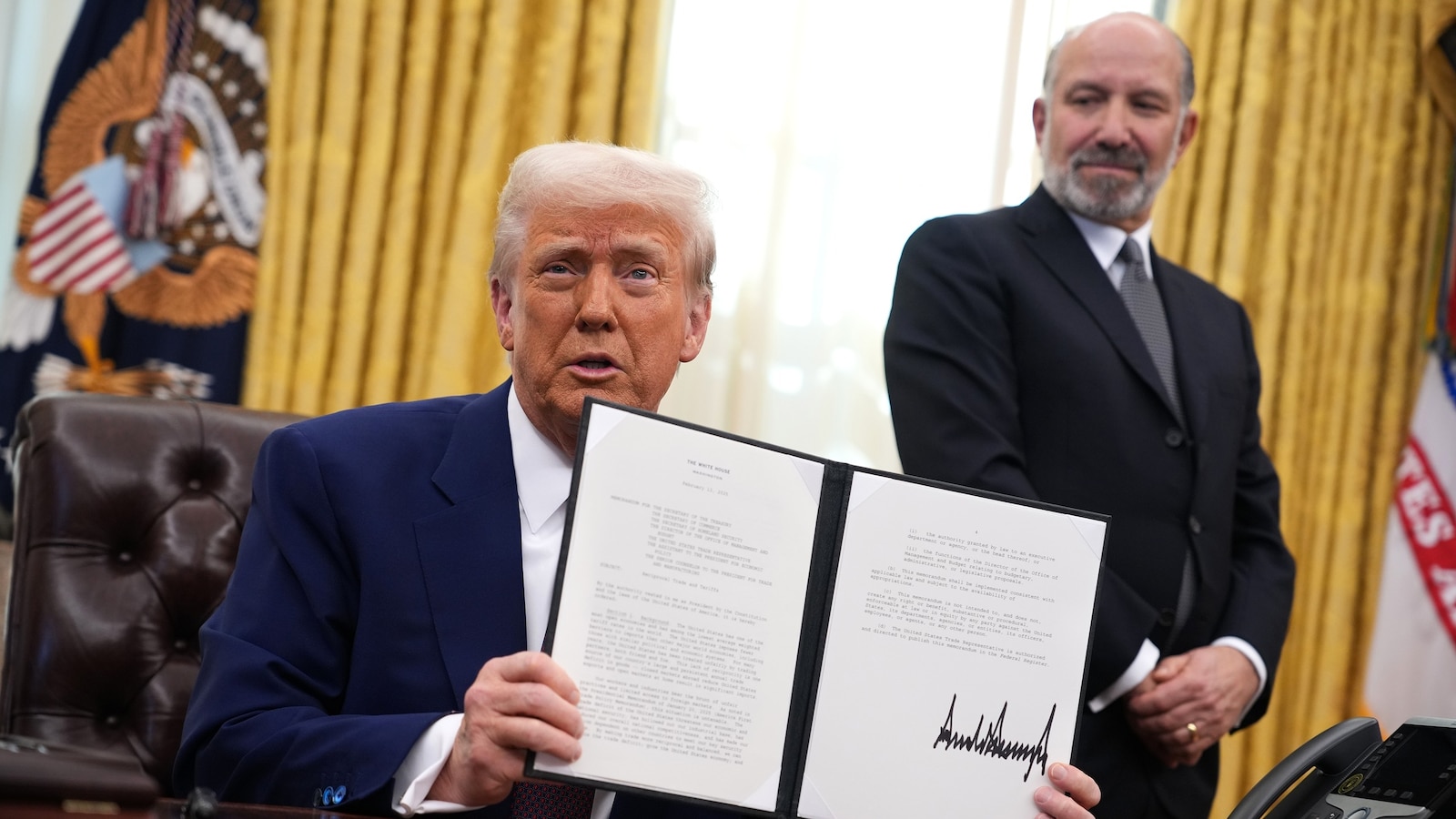
Unpacking Trump’s New Tariff Memo: A Shift in Trade Policy
President Trump’s latest memo, which proposes a thorough review of reciprocal tariffs on trading partners, has sent ripples through the global trade landscape. This move could signify a pivotal shift in U.S. trade policy, one that aims to reassess how tariffs are applied in relation to the economic stance of other nations. As we delve deeper into the implications of this memo, it becomes clear that its ramifications could reshape international economic relations, triggering reactions from both allies and competitors alike.
Understanding the Context of the Tariff Memo
Before diving into the specifics, it’s essential to understand the historical context of U.S. tariffs and trade policies. The United States has long utilized tariffs as a tool to protect domestic industries and regulate international trade. Under Trump’s administration, there was a marked increase in protectionist measures, most notably in the form of tariffs imposed on steel, aluminum, and a range of Chinese goods. These actions were primarily justified on the grounds of national security and economic fairness.
Trump’s latest tariff memo appears to build on this foundation but takes a more calculated approach by emphasizing reciprocity. The idea is straightforward: if one country imposes tariffs on U.S. products, then similar tariffs will be evaluated and possibly implemented on their goods in return. This reciprocal model could lead to a more balanced trade relationship, but also risks escalating trade tensions.
What Does the Memo Propose?
At its core, Trump’s memo outlines a framework for assessing existing tariffs and exploring new ones based on the following key points:
- Evaluation of Current Tariffs: The memo calls for a detailed analysis of existing tariffs to determine if they effectively protect American interests.
- Reciprocal Tariffs: It emphasizes the necessity for tariffs to reflect the trade policies of partner nations, ensuring that American products are not at a disadvantage.
- Impact on Domestic Industry: The memo seeks to safeguard U.S. industries that have been adversely affected by foreign tariffs.
- Global Economic Strategy: It encourages a comprehensive approach to global trade negotiations, aiming to leverage tariffs to achieve favorable trade agreements.
Potential Impacts on Global Trade Dynamics
The implications of this memo extend far beyond U.S. borders. Here are some potential impacts on global trade dynamics:
- Increased Tensions with Trading Partners: Countries that rely heavily on exports to the U.S. may react strongly to the introduction of reciprocal tariffs, potentially leading to trade wars.
- Reevaluation of Trade Agreements: Existing trade agreements may come under scrutiny as the U.S. seeks to renegotiate terms that align with its new tariff strategy.
- Impact on Global Supply Chains: Businesses operating on a global scale might need to reassess their supply chains to mitigate the risks associated with fluctuating tariffs.
- Market Volatility: Financial markets could experience increased volatility as investors react to changing trade policies and their implications for economic growth.
Reactions from Allies and Competitors
As news of the tariff memo spreads, reactions from both allies and competitors are beginning to surface:
- European Union: The EU has expressed concern over the potential for renewed trade tensions. European leaders are likely to emphasize diplomatic negotiations to avoid an escalation of tariffs.
- China: China, which has been at the forefront of U.S. tariff disputes, may retaliate with its own set of tariffs, further complicating the trade relationship.
- Mexico and Canada: As key trading partners under the USMCA, both countries are expected to engage in discussions to ensure that the new tariff policies do not adversely affect their economies.
Domestic Implications of the Tariff Memo
While the memo primarily focuses on international trade, it also carries significant implications for the domestic economy:
- Impact on Consumers: Increased tariffs could lead to higher prices for consumers, particularly for goods that rely on imports.
- Job Creation vs. Job Loss: While the intention is to protect American jobs, certain sectors that rely on imported materials may face layoffs if costs rise.
- Political Ramifications: The memo might influence upcoming elections as voters react to the economic outcomes of these trade policies.
Looking Ahead: The Future of U.S. Trade Policy
As the Biden administration takes the reins, the future of U.S. trade policy remains uncertain. The new tariff memo could either be embraced as a necessary tool for economic fairness or criticized for its potential to ignite trade conflicts. The balancing act between protecting domestic industries and maintaining healthy international relationships will be a defining challenge for policymakers.
Anticipating these changes, businesses, especially those engaged in international trade, must remain agile. They should consider diversifying their supply chains, engaging in proactive risk management, and staying informed about policy changes that could impact their operations.
Conclusion
Trump’s new tariff memo represents a significant moment in the evolution of U.S. trade policy. By advocating for reciprocal tariffs, the administration is signaling a desire to reassess how trade is conducted on the global stage. The potential ramifications—ranging from increased tensions with allies to shifts in domestic economic conditions—underscore the importance of careful navigation in these turbulent waters. As the world watches, the implications of this memo will likely unfold in real-time, shaping the future of global trade dynamics for years to come.
See more CCTV News Daily