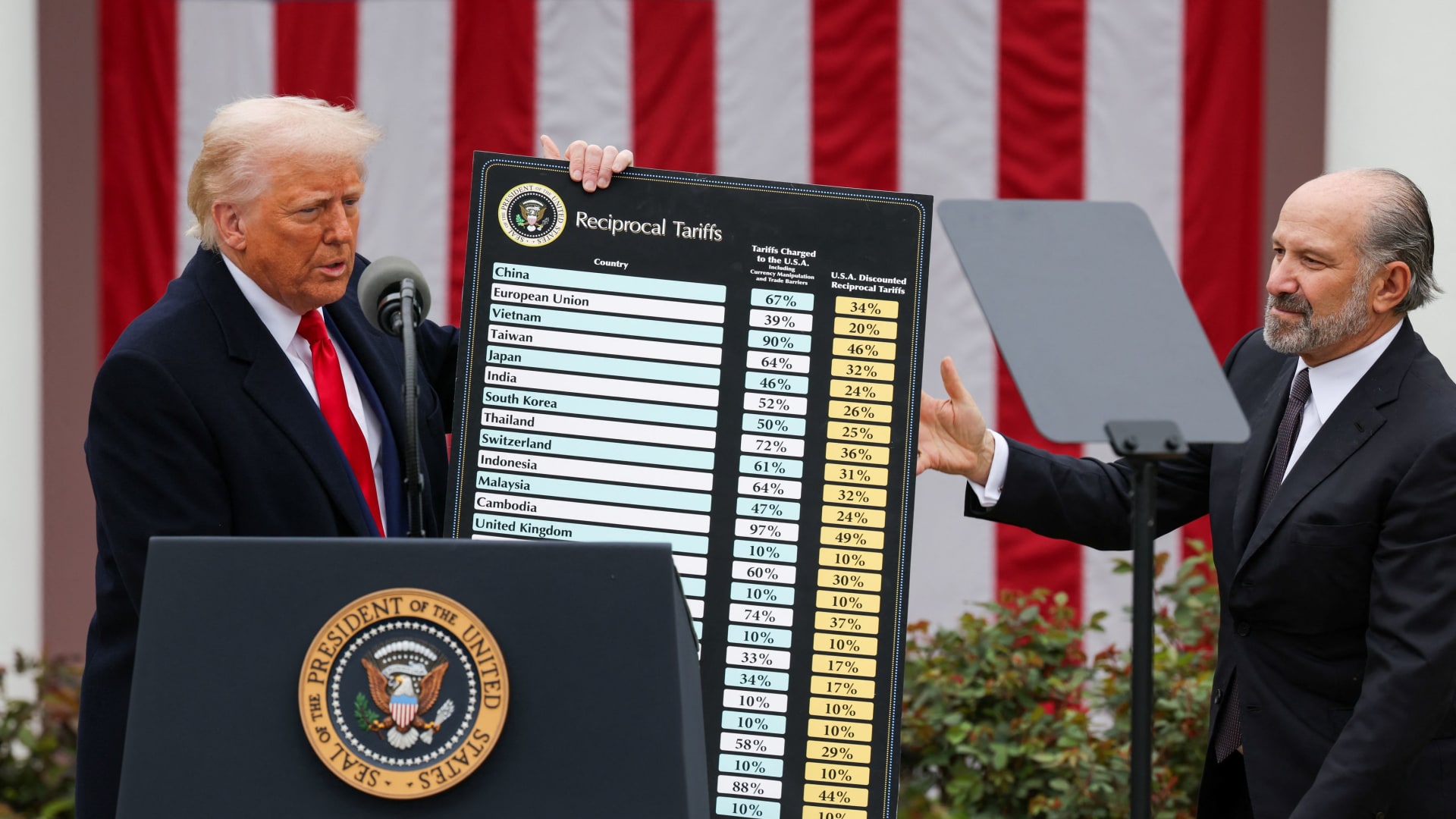
Tariff Tensions: Are Trump’s Rates Set to Surpass Great Depression Levels?
As trade tensions escalate globally, economists warn that tariff rates under former President Donald Trump’s proposed policies could exceed those of the infamous Smoot-Hawley Act of 1930, which exacerbated the Great Depression. With the U.S. considering sweeping import taxes, experts debate whether history is poised to repeat itself—or if modern economic resilience will mitigate the fallout.
The Historical Shadow of Smoot-Hawley
The Smoot-Hawley Tariff Act, signed in 1930, raised U.S. tariffs on over 20,000 imported goods to an average of 59%. Intended to protect American farmers, it instead triggered retaliatory measures, shrinking global trade by 66% between 1929 and 1934. Today, Trump’s proposed 10% universal tariff and 60%+ rates on select Chinese goods could push average tariffs beyond Smoot-Hawley’s peak.
“The parallels are alarming but not identical,” notes Dr. Rebecca Cho, a trade historian at Georgetown University. “While Smoot-Hawley was enacted during an economic collapse, today’s economy is stronger. Yet the risk of retaliatory spirals remains.”
Comparing Tariff Impacts: Then and Now
Modern trade differs starkly from 1930s commerce. In 1929, trade accounted for just 13% of U.S. GDP; today, it exceeds 25%. Supply chains are globally integrated, and tariffs could disrupt everything from electronics to pharmaceuticals. Key contrasts include:
- Economic Context: Smoot-Hawley worsened existing deflation, whereas current inflation might amplify price shocks.
- Retaliation Speed: In 2024, trading partners like the EU and China could impose counter-tariffs within weeks, not years.
- Consumer Impact: Tariffs today would hit household essentials like clothing and groceries harder due to reliance on imports.
A 2023 Peterson Institute study estimates Trump’s proposed tariffs could cost the U.S. economy $500 billion annually—equivalent to 2% of GDP. “This isn’t just about trade balances,” warns economist Mark Laughlin. “It’s about inflation, jobs, and geopolitical stability.”
Divergent Perspectives on Protectionism
Proponents argue tariffs protect domestic industries and jobs. “We’ve seen decades of offshoring,” says Jason Reed, spokesperson for the Coalition for American Manufacturing. “Strategic tariffs could reshore critical production, from steel to semiconductors.”
Critics counter that consumers bear the cost. The Tax Foundation calculates that existing Trump-era tariffs cost households $1,200 annually on average. With higher rates, “the burden could double,” asserts policy analyst Mira Patel.
Global Reactions and Retaliation Risks
China has already signaled it would “respond firmly” to escalated tariffs, potentially targeting U.S. agriculture and aerospace exports. The EU, meanwhile, is preparing $300 billion in countermeasures. Emerging markets like Vietnam and Mexico—key alternatives to Chinese manufacturing—could also face secondary tariffs.
“Trade wars aren’t won; they’re managed,” says former U.S. Trade Representative Carla Hills. “The question is whether political will exists to de-escalate.”
Lessons from History—and Paths Forward
The Smoot-Hawley Act offers cautionary lessons: unilateral protectionism often backfires. Yet modern trade pacts like USMCA include enforceable labor and environmental standards absent in 1930. Some experts advocate for targeted tariffs paired with incentives, such as tax credits for domestic R&D.
As the debate intensifies, businesses brace for uncertainty. “Supply chains can’t pivot overnight,” says TechNet CEO Linda Moore. “Companies need clarity to avoid costly disruptions.”
With tariff proposals looming, the U.S. faces a delicate balancing act: protecting industries without igniting inflation or trade wars. While economic safeguards like diversified supply chains and digital trade offer buffers, the stakes rival those of the 1930s. Policymakers must weigh short-term gains against long-term stability—or risk repeating history’s mistakes.
For deeper analysis, explore our interactive tariff timeline comparing 1930 and 2024 proposals.
See more CCTV News Daily