The High Cost of Tariffs: How U.S.-China Trade Tensions Could Reshape Global Markets
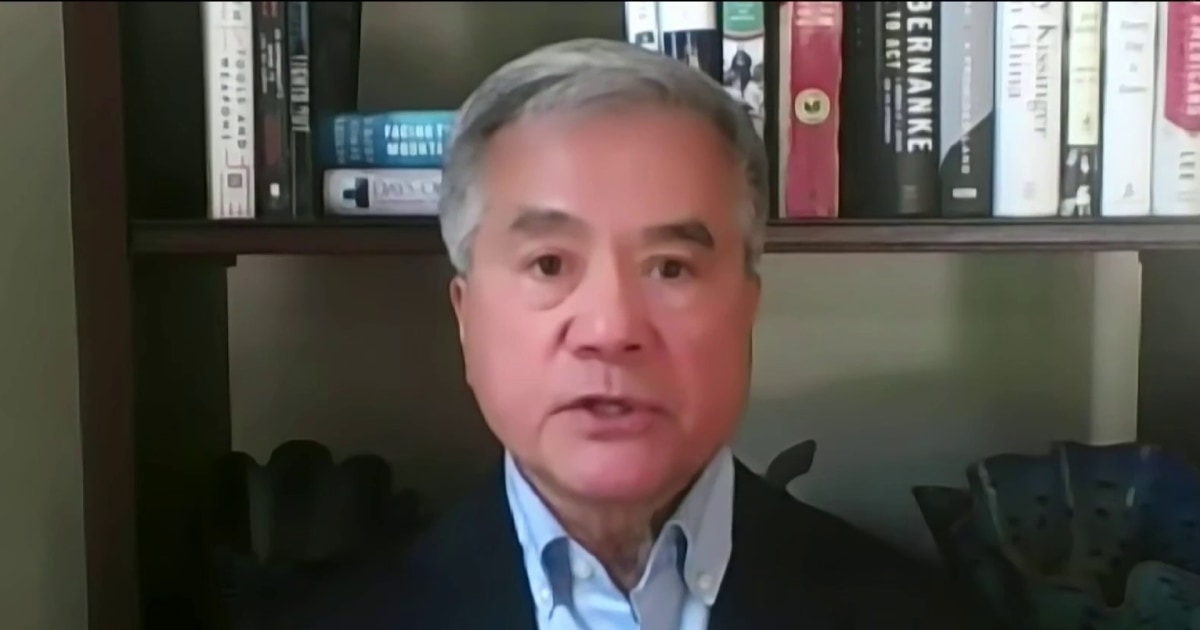
As the United States and China escalate tariffs on billions of dollars worth of goods, former U.S. Ambassador to China Terry Branstad warns of far-reaching economic consequences. In exclusive remarks, Branstad revealed that the latest round of tariffs—imposed this month on electric vehicles, semiconductors, and steel—could trigger inflation, supply chain disruptions, and retaliatory measures affecting both nations. Experts estimate the moves may impact over $300 billion in bilateral trade.
Decoding the Tariff Escalation: A Historical Perspective
The current standoff marks the most significant trade barrier increase since the 2018-2020 trade war, which saw average U.S. tariffs on Chinese goods rise from 3.1% to 19.3%. According to the Peterson Institute for International Economics, those earlier tariffs cost U.S. companies and consumers $42 billion annually. The Biden administration’s latest measures target strategic sectors:
- 100% tariff on Chinese electric vehicles (up from 25%)
- 50% tariff on solar components and semiconductors
- 25% tariff on steel, aluminum, and medical equipment
“This isn’t just about trade balances—it’s a calculated move to protect emerging U.S. industries,” explained Branstad, who served as ambassador from 2017-2020. “But the collateral damage could outweigh the benefits if not carefully managed.”
The Ripple Effects Across Global Supply Chains
Asian markets reacted immediately to the news, with Hong Kong’s Hang Seng Index dropping 2.3% and the yuan weakening to a six-month low against the dollar. Supply chain analysts warn that the tariffs could:
- Add 1-1.5% to U.S. consumer prices for affected goods
- Force manufacturers to absorb $65 billion in additional costs
- Delay production timelines by 8-12 weeks as companies seek alternative suppliers
Dr. Mei Xinyu, a researcher at China’s Ministry of Commerce, countered: “China will diversify its exports and accelerate technological self-sufficiency. The U.S. risks losing access to critical materials for clean energy transitions.”
Industry-Specific Impacts: Winners and Losers
The automotive sector faces particularly acute challenges. While the 100% EV tariff protects domestic manufacturers like Tesla and Rivian, it complicates plans for companies relying on Chinese battery components. A recent BloombergNEF report shows:
- China produces 75% of the world’s lithium-ion batteries
- U.S. automakers source 40% of EV components from China
- Battery prices may rise 15-20% by Q4 2024
“We’re caught between policy and practicality,” said a Ford executive speaking anonymously. “Reshoring supply chains takes years—these tariffs hit now.”
Diplomatic Fallout and Alternative Trade Paths
The tariffs arrive as both nations attempt to stabilize relations through working groups on commerce and agriculture. Branstad noted: “Economic decoupling remains unlikely, but we’re seeing ‘de-risking’ accelerate. The question is whether both sides can maintain communication channels while protecting national interests.”
Emerging trends suggest potential shifts in global trade patterns:
- Chinese investment in Mexican manufacturing facilities (up 48% in 2023)
- Increased U.S. imports from Vietnam and India for textiles and electronics
- EU considering similar tariffs, potentially creating a Western trade bloc
Looking Ahead: Strategies for Businesses and Policymakers
As tensions persist, trade experts recommend companies:
- Diversify suppliers beyond single-country dependencies
- Leverage free trade zones where tariffs don’t apply
- Invest in stockpiling critical components with long lead times
The Congressional Budget Office projects that sustained tariffs could reduce U.S. GDP growth by 0.3% annually through 2026. However, some analysts argue the short-term pain may yield long-term benefits if domestic production ramps up successfully.
“History shows trade wars rarely have clear winners,” Branstad concluded. “The real test will be whether both nations can negotiate solutions that foster innovation rather than fragmentation.” For businesses navigating these changes, consulting global trade specialists and scenario planning have become essential survival tools in an increasingly polarized economic landscape.
See more CCTV News Daily