Unpacking the Ripple Effects: How Tariffs Are Reshaping the U.S. Housing Market
As tariffs alter the landscape of international trade, their impact on the U.S. housing market is becoming increasingly significant. Tariffs, which are taxes imposed on imported goods, have far-reaching effects that can influence various sectors of the economy, including housing. This article delves into how these economic shifts could affect home prices, construction costs, and buyer behavior in the United States.
The Link Between Tariffs and Housing Costs
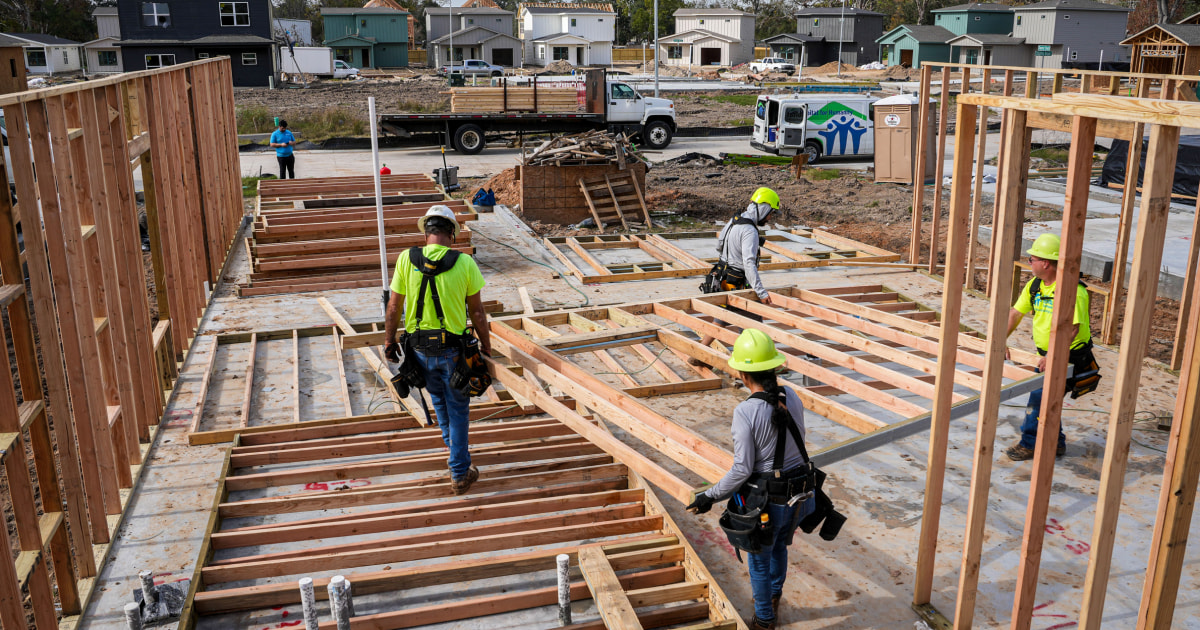
One of the most direct impacts of tariffs on the U.S. housing market is seen in construction costs. Many materials used in home construction, such as steel and lumber, are often imported. When tariffs are applied to these materials, the cost of construction materials rises, leading to increased overall construction costs. This chain reaction can have several implications:
- Higher Home Prices: As construction costs increase, builders may pass these costs onto homebuyers. This shift can lead to higher home prices, making homeownership less affordable for many.
- Slowdown in New Construction: Builders may become hesitant to start new projects if costs are too high, leading to a slowdown in new construction. This could exacerbate the existing housing supply shortage.
- Impact on Renovations: Homeowners looking to renovate may also feel the pinch as material costs rise, potentially delaying or canceling renovation projects.
Construction Material Prices and Tariff Impacts
To better understand how tariffs are reshaping the U.S. housing market, let’s take a closer look at specific materials affected by tariffs:
- Steel: Tariffs on imported steel can increase the cost of structural components in homes, such as reinforcement beams and roofing materials. This can lead to a ripple effect on the final price of homes.
- Lumber: The lumber industry has seen fluctuations in prices due to tariffs and trade disputes. An increase in lumber prices can dramatically affect the cost of building new homes and can also impact existing home values.
- Appliances: Tariffs on appliances can increase the cost of kitchen and bathroom renovations, further pushing homeowners to reconsider their renovation plans.
Effects on Home Prices and Buyer Behavior
The relationship between tariffs and home prices isn’t always straightforward. While increased costs can lead to higher home prices, other market dynamics may also come into play. Let’s explore some of these factors:
- Supply and Demand: If the supply of new homes decreases due to rising construction costs, this could create a tighter market, potentially driving prices up even further.
- Interest Rates: If the Federal Reserve reacts to inflation caused by rising costs with increased interest rates, this could dampen buyer enthusiasm, affecting demand and possibly stabilizing home prices.
- Buyer Sentiment: Economic uncertainty stemming from trade policies can impact buyer confidence. If consumers feel uncertain about their economic future, they may postpone purchasing a home.
Regional Variations in Impact
It’s essential to recognize that the impact of tariffs on the housing market can vary significantly across different regions of the United States. Areas that rely heavily on certain types of construction materials may experience more pronounced effects. For example:
- Rust Belt States: States like Ohio and Michigan, with a strong reliance on steel and manufacturing, may see significant price increases in housing.
- West Coast Markets: In California and Washington, where housing demand is already high, any additional cost burden could exacerbate affordability issues.
- Southern States: Regions with more diverse economies and less reliance on imported materials may be less affected, allowing for more stable housing prices.
Long-Term Effects on Housing Market Dynamics
While the immediate effects of tariffs on the U.S. housing market are significant, the long-term repercussions could redefine the sector. Some potential long-term effects include:
- Shift to Domestic Production: Builders may increasingly seek domestic sources for materials to avoid tariffs, which could spur growth in local industries.
- Innovation in Building Materials: Rising costs could drive innovation, leading to the development of alternative materials that are cheaper or more sustainable.
- Changes in Housing Preferences: As prices rise, buyers may shift their preferences, opting for smaller homes or different locales that offer more affordability.
As tariffs reshape the U.S. housing market, stakeholders must remain vigilant and adaptable. Homebuyers, builders, and policymakers all play crucial roles in navigating this evolving landscape. While challenges abound, opportunities for innovation and growth also present themselves. By understanding the intricate connections between tariffs, construction costs, and housing prices, all parties can make informed decisions that will influence the future of housing in America.
In summary, the ripple effects of tariffs are not just economic but also deeply social, influencing who can afford homes and where they choose to live. By staying informed and proactive, we can work towards a resilient housing market that meets the needs of all Americans.
See more CCTV News Daily