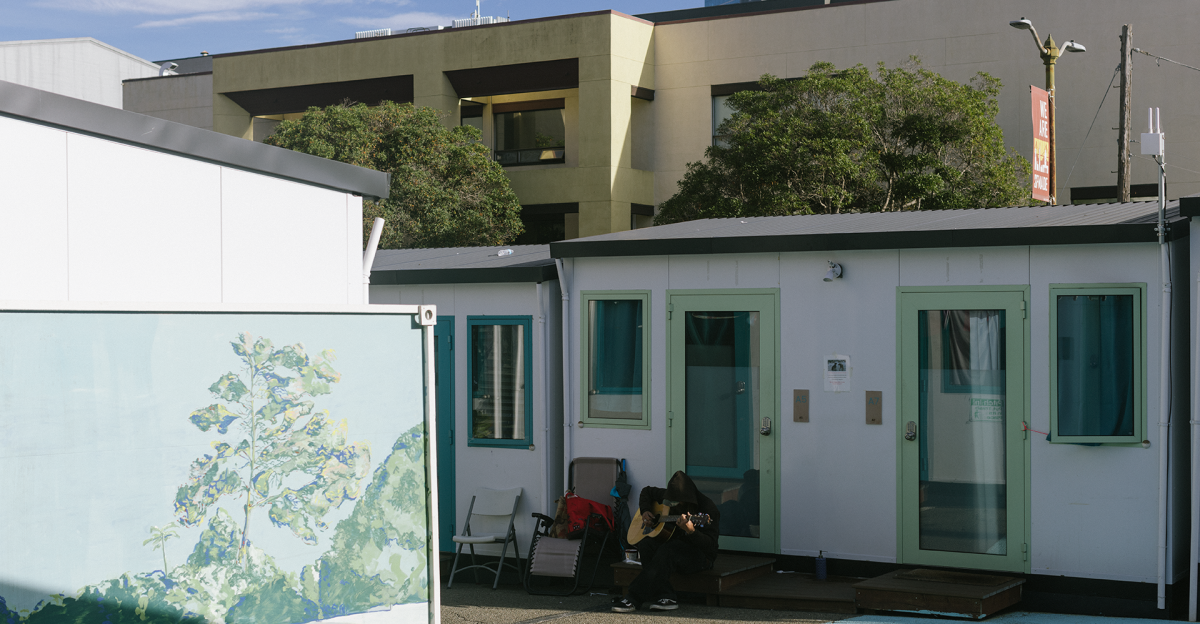
As homelessness reaches crisis levels in U.S. urban centers, tiny homes have emerged as a potential solution—but conflicting housing regulations threaten to derail their adoption. From Los Angeles to Austin, city planners and advocates clash over zoning laws, minimum square footage requirements, and safety codes that often render compact dwellings illegal. While supporters argue these affordable units could alleviate housing shortages, bureaucratic red tape keeps many projects in limbo.
The Rise of Tiny Homes as an Affordable Housing Alternative
Over 580,000 people experienced homelessness on a single night in 2022 according to HUD data, with 60% residing in shelters or transitional housing. Tiny homes—typically under 400 square feet—offer a middle ground between tents and traditional apartments at $20,000-$50,000 per unit versus $300,000+ for conventional construction.
“Tiny homes aren’t just structures—they’re dignity with a door that locks,” says Dr. Elena Martinez, urban policy researcher at Brookings Institution. “But outdated ordinances written for Victorian-era housing models treat them like garden sheds rather than legitimate dwellings.”
Success stories exist where regulations adapted:
- Portland, Oregon: Revised zoning to allow “accessory dwelling units” under 800 sq ft
- Detroit, Michigan: Created special “tiny home villages” with shared utilities
- Denver, Colorado: Pilot program placed 120 units with 89% resident retention
Regulatory Roadblocks Stifling Progress
Most municipalities enforce three major barriers:
- Minimum size requirements: 34 states mandate 600+ sq ft for permanent dwellings
- Foundation mandates: Many codes prohibit wheel-based or temporary structures
- Utility hookups: Full plumbing/electrical often required despite off-grid alternatives
Construction firm owner Mark Reynolds notes the irony: “We can build a 5,000 sq ft McMansion in 90 days, but getting permits for a 300 sq ft home takes 18 months. The system prioritizes luxury over necessity.”
Case Study: Seattle’s Backyard Cottage Experiment
When Seattle relaxed restrictions in 2019, over 1,200 backyard cottages emerged within three years. The program succeeded by:
- Waiving impact fees for units under 800 sq ft
- Allowing shared water/sewer lines with primary residences
- Exempting parking space requirements
However, neighboring Tacoma saw backlash when proposing similar measures. “This isn’t housing—it’s glorified camping,” argued city councilmember Brenda Cox during heated 2022 hearings. The measure failed 5-4.
Innovative Approaches to Zoning Reform
Forward-thinking cities are testing compromise solutions:
Phased approvals: Oakland grants temporary permits while collecting safety data
Hybrid communities: Austin’s Community First Village combines tiny homes with social services
Modular construction: Boston’s “Plug-In Houses” meet code via factory-built components
Architectural designer Lila Chen explains: “We’re seeing a shift from ‘how can we ban this’ to ‘how can we make this work safely.’ That mindset change is everything.”
The Road Ahead: Balancing Safety and Innovation
With homelessness up 6% since 2017 per HUD reports, pressure mounts for solutions. The National Tiny House Association now tracks 217 pending regulatory changes nationwide. Key developments to watch:
- 2024 IECC code revisions may include tiny home standards
- California’s Senate Bill 745 proposes statewide tiny home guidelines
- HUD’s $5 billion PRO Housing grant program prioritizes alternative housing
As urban planner Jamal Williams observes: “The tiny home movement isn’t asking for special treatment—just equal consideration. When a family’s choice is between a parking lot tent and an illegal tiny house, maybe our regulations need reality checks more than those homes need changes.”
For readers interested in advocating for change, the Small Housing Advocacy Coalition offers resources to contact local representatives and track policy updates in all 50 states.
See more CCTV News Daily