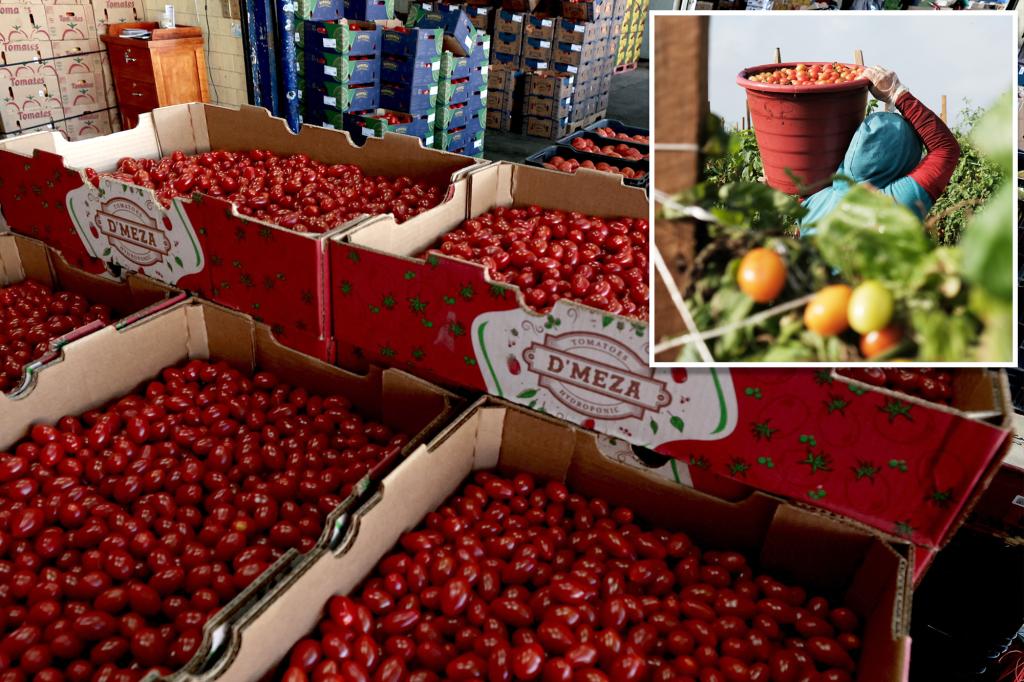
Trump Administration’s New 21% Tariff on Mexican Tomatoes Sparks Market Concerns
The Trump administration has imposed a 21% antidumping duty on Mexican tomatoes, effective immediately, escalating trade tensions and raising fears of higher prices for U.S. consumers. The move, announced by the Commerce Department on Monday, targets what officials call “unfairly priced” imports that undercut American growers. Retailers and agricultural analysts warn the tariff could disrupt supply chains and inflate grocery bills during peak summer demand.
Why the Tariff Was Implemented
The new tariff stems from a 2019 suspension agreement collapse, which previously set minimum prices for Mexican tomatoes. U.S. producers, particularly Florida growers, argue Mexican imports—accounting for 54% of U.S. tomato consumption—have flooded the market at artificially low prices due to Mexican government subsidies. Commerce Department data shows Mexican tomato imports surged 17% year-over-year to $2.3 billion in 2023.
“This corrective measure protects American farmers from predatory trade practices,” said Agriculture Secretary Sonny Perdue in a statement. However, critics counter that domestic production can’t meet demand. The USDA estimates U.S. growers supply just 38% of the nation’s fresh tomatoes annually.
Immediate Impact on Consumers and Retailers
Supermarket executives anticipate tomato prices could jump 30-40% within weeks. “We’re staring at a potential double whammy,” explained food retail analyst Marissa Cortez of Agri-Food Insights. “Supply chain bottlenecks from the tariff plus seasonal demand spikes will hit consumers’ wallets hardest.”
The National Restaurant Association projects the tariff will:
- Increase average menu prices by 1.2% for tomato-heavy dishes
- Force 68% of Mexican restaurants to reconsider sourcing
- Accelerate adoption of alternative ingredients like roasted peppers
Broader Trade War Implications
This escalation follows months of strained US-Mexico trade relations, including recent disputes over energy policies and automotive rules of origin. Mexico’s Economy Ministry called the tariff “disproportionate” and vowed to challenge it through WTO mechanisms. Meanwhile, Texas A&M University research suggests the policy might backfire:
“For every U.S. farming job protected, we estimate 3.2 food processing and retail jobs could be jeopardized by higher input costs,” said Dr. Eduardo Castillo, agricultural economist. The fresh produce industry employs over 1.2 million Americans across growing, distribution, and retail sectors.
Potential Long-Term Market Shifts
Industry observers identify several likely consequences:
- Supply diversification: Buyers may turn to Canadian greenhouse growers or U.S. indoor vertical farms
- Retail shrinkflation: Smaller tomato portions in pre-packaged goods
- Seasonal price volatility: Wider swings between winter and summer pricing
Interestingly, the tariff exempts processed tomato products like sauces and ketchup—a concession to major food manufacturers who lobbied aggressively during policy discussions.
What Stakeholders Are Saying
“This is overdue protection for family farms,” asserted Florida Tomato Exchange spokesperson Greg Breeding, noting 15% of Sunshine State growers have exited the business since 2010. Conversely, United Fresh Produce Association CEO Tom Stenzel warned, “The math is simple—you can’t remove half the supply without consequences. Consumers will pay more for salads, salsas, and sandwiches.”
Supply chain experts note the timing couldn’t be worse, with summer barbecue season approaching. “Tomatoes represent the third most popular fresh vegetable in America,” noted USDA market specialist Diane Jenkins. “Any price shock here creates political ripples.”
Looking Ahead: Possible Outcomes
Most analysts expect one of three scenarios to unfold:
- Mexico negotiates a new suspension agreement within 6 months
- Retailers absorb partial costs, leading to narrower profit margins
- Consumers permanently shift toward alternative vegetables like cucumbers
The decision also sets a precedent for upcoming trade negotiations on berries and other perishables. For now, shoppers may want to comparison-shop at farmers’ markets and club stores, where bulk purchasing could mitigate some price increases. Industry groups suggest contacting congressional representatives to voice concerns about trade policy impacts on food inflation.
See more CCTV News Daily