U.S. Business Leaders Advocate for Sustained Trade Integration with Mexico
In a world increasingly shaped by globalization, the significance of strong trade relations between neighboring countries cannot be overstated. U.S. business leaders are vocally advocating for sustained trade integration with Mexico, recognizing it as a cornerstone of economic growth and stability for both nations. As an expert in international trade and economic relations, it is essential to delve into the reasons behind this advocacy and what it means for the future of U.S.-Mexico trade relations.
The Economic Landscape of U.S.-Mexico Trade
Trade between the United States and Mexico has been a defining feature of North American economics. According to the Office of the United States Trade Representative, the U.S. is Mexico’s largest trading partner, with over $600 billion worth of goods and services traded in 2020 alone. This relationship is not just beneficial for Mexico; it also plays a critical role in the U.S. economy.
**Key Statistics:**
- Over 2 million jobs in the U.S. depend on trade with Mexico.
- Mexico is the second-largest market for U.S. agricultural products.
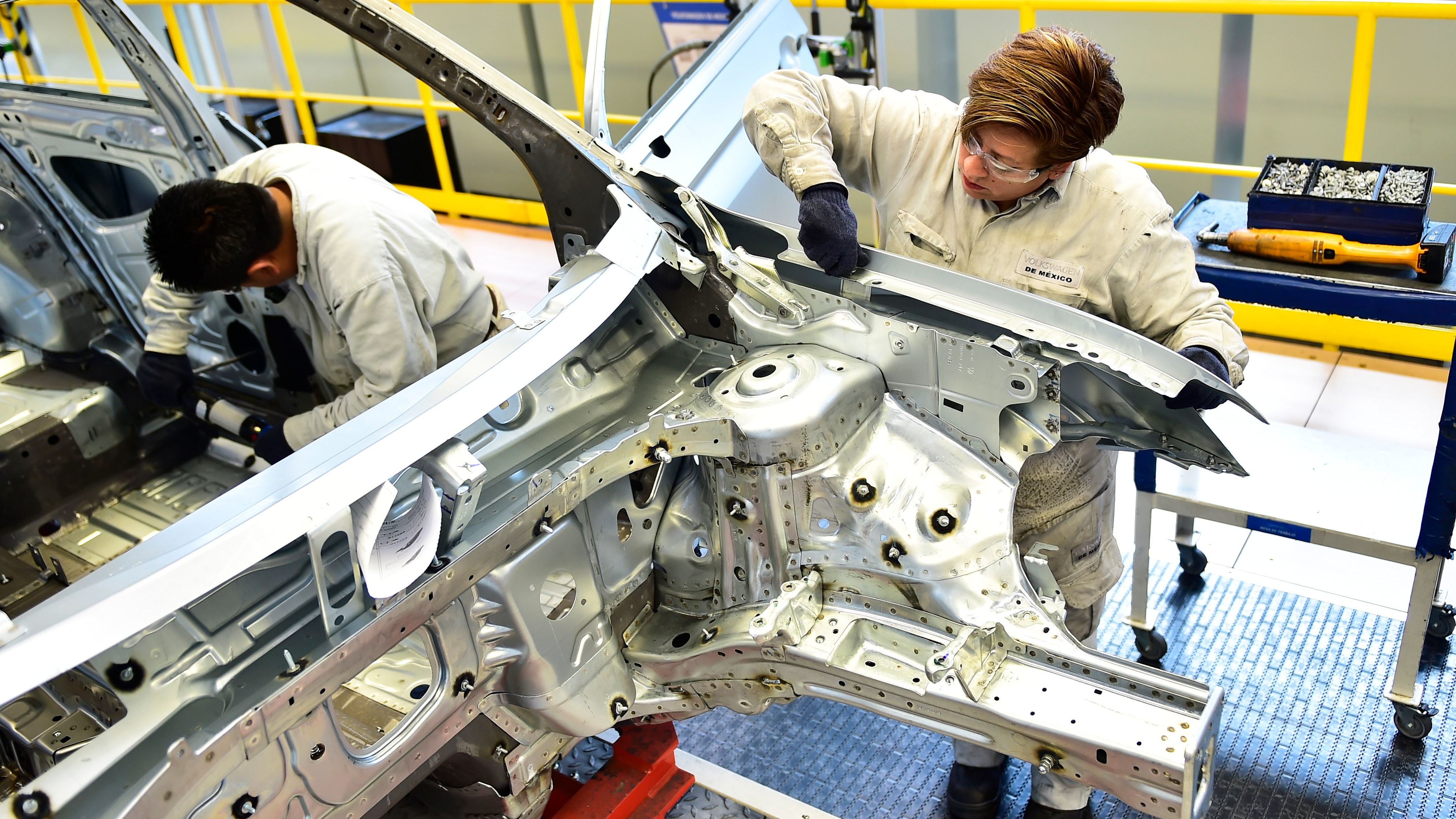
- Approximately 40% of U.S. imports from Mexico are intermediate goods, crucial for U.S. manufacturing.
Why Trade Integration Matters
Experts argue that maintaining robust trade integration with Mexico is crucial for several reasons:
- Economic Growth: Sustained trade allows both countries to enjoy increased economic growth. By working together, businesses can leverage each other’s strengths, leading to innovations and efficiencies that benefit consumers and industries alike.
- Job Creation: Trade integration has been a significant driver of job creation. As companies expand their markets, they require more labor, bolstering employment in both nations.
- Supply Chain Stability: A strong trade relationship ensures that supply chains remain resilient. In today’s interconnected world, disruptions in one country can have immediate effects elsewhere. Collaborative trade policies help mitigate these risks.
Challenges to Sustained Trade Integration
While the benefits of trade integration are clear, there are challenges that need to be addressed to ensure the continuation of this vital relationship. Political tensions, regulatory barriers, and economic fluctuations can threaten trade dynamics.
Political Tensions
Political discourse often influences trade policies. Recent years have seen fluctuations in the U.S.-Mexico relationship, driven by various political agendas. The U.S. business community is increasingly urging policymakers to prioritize trade integration over divisive rhetoric. A stable political climate is essential for fostering a conducive environment for trade.
Regulatory Barriers
Another challenge arises from differing regulations and standards. Business leaders advocate for harmonization of regulations between the two countries to facilitate smoother trade flows. By reducing bureaucratic hurdles, trade can become more efficient, benefiting both economies.
Economic Fluctuations
The global economic landscape is unpredictable. Economic downturns can strain trade relationships. Business leaders emphasize the importance of having contingency plans and adaptable policies to navigate such challenges effectively.
Future Prospects for U.S.-Mexico Trade Relations
Despite the challenges, the outlook for U.S.-Mexico trade relations remains optimistic. The commitment from both nations to collaborate on trade issues is stronger than ever. Here are some key aspects that indicate a positive trajectory:
New Trade Agreements
With the implementation of the United States-Mexico-Canada Agreement (USMCA), there is a renewed focus on modernizing trade relations. This agreement addresses contemporary trade challenges and sets the stage for a more integrated economic future.
Technological Collaboration
As technology continues to evolve, so does the potential for trade integration. Both countries are exploring opportunities in technology transfer, innovation, and research. By collaborating in technological fields, U.S. and Mexican businesses can enhance their competitive edge globally.
Investment Opportunities
Increased foreign direct investment (FDI) is another promising avenue for sustained trade integration. U.S. companies are increasingly investing in Mexican manufacturing, creating jobs and economic opportunities. This symbiotic relationship is expected to grow, fostering even deeper economic ties.
Conclusion: A Call for Continued Advocacy
The advocacy from U.S. business leaders for sustained trade integration with Mexico is not just a call for the present; it is a vision for a prosperous future. By recognizing the mutual benefits of a robust trade relationship, both countries stand to gain economically and socially.
As we move forward, it is imperative that policymakers, business leaders, and citizens alike support initiatives that promote trade integration. The message is clear: sustained trade relations with Mexico are not just advantageous; they are essential for the economic vitality of both nations. Continued collaboration is key to overcoming challenges and maximizing opportunities in the ever-evolving global landscape.
In conclusion, the commitment to fostering strong trade ties with Mexico is a crucial step toward ensuring a resilient and thriving economy for the United States. As we look to the future, it is the collective responsibility of all stakeholders to advocate for policies and practices that uphold this vital relationship.
See more CCTV News Daily