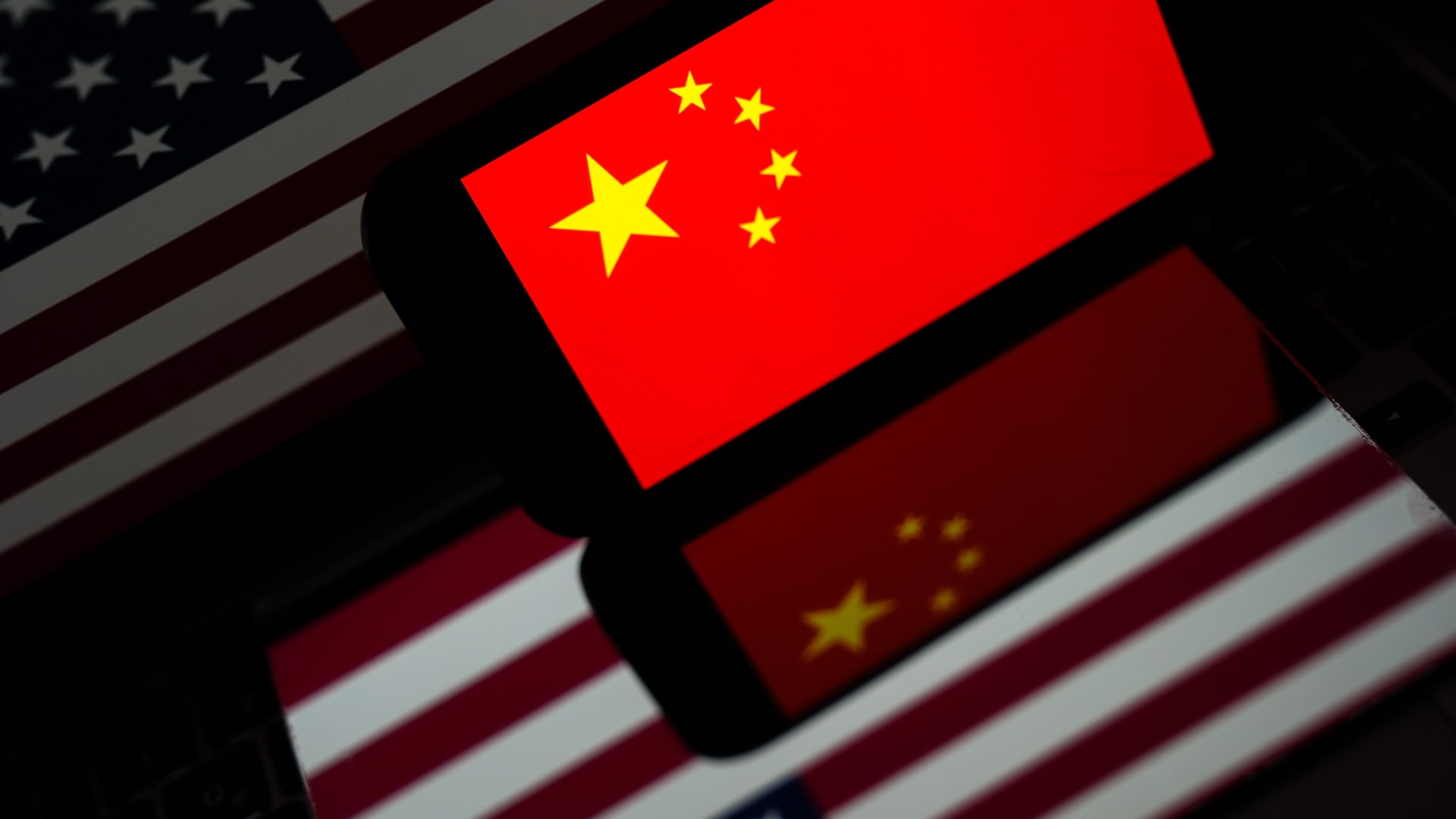
Strategic Shift: China Appoints New Trade Negotiator Amid Stalled U.S. Talks
In a strategic reshuffle signaling potential recalibration, China has appointed veteran economist and diplomat Li Chen as its new chief trade negotiator, replacing Liu He amid stalled discussions with the United States. The unexpected move, announced on Tuesday by China’s Ministry of Commerce, comes as bilateral trade talks face mounting tensions over technology restrictions, tariffs, and national security concerns. Analysts suggest the leadership change reflects Beijing’s frustration with the current impasse and its intent to adopt a fresh approach to the $650 billion trading relationship.
Why the Change Matters for U.S.-China Relations
The appointment of Li Chen, a 58-year-old former vice commerce minister with extensive experience in European and Asian trade deals, marks a pivotal moment in the world’s most consequential economic relationship. With U.S.-China trade volumes declining 12% year-over-year in Q2 2023—the steepest drop since the 2019 tariff wars—the leadership transition carries significant implications:
- Timing: Coincides with U.S. plans to expand semiconductor export controls
- Background: Li lacks direct U.S. negotiation experience but brings WTO dispute expertise
- Context: Follows China’s 6-month import slump and 16% drop in foreign direct investment
“This isn’t just a personnel change—it’s a strategic signal,” explains Dr. Evelyn Tan, Senior Fellow at the Asia Trade Initiative. “By selecting someone with WTO litigation success rather than a U.S.-focused negotiator, Beijing appears to be preparing for prolonged structural tensions rather than quick compromises.”
Decoding the Negotiation Stalemate
The trade talks, which resumed in May after a 14-month hiatus, have deadlocked on three critical issues:
- U.S. restrictions on advanced chip technology exports
- China’s refusal to abandon industrial subsidy programs
- Ongoing tariffs covering $370 billion in annual trade
Recent Commerce Department data reveals the tangible impacts: American soybean exports to China remain 34% below pre-trade war peaks, while Chinese solar panel imports face 254% anti-dumping duties. Meanwhile, China’s yuan has depreciated 5.8% against the dollar in 2023, exacerbating trade imbalances.
“The fundamental disconnect is that Washington wants to de-risk without decoupling, while Beijing views any technology restrictions as containment,” notes former USTR official Michael Richardson. “Until that gap narrows, even the most skilled negotiators will struggle.”
Global Markets React to the Uncertainty
Financial markets responded cautiously to the news, with key developments emerging across sectors:
- Commodities: Copper prices fell 2.1% on concerns over Chinese demand
- Tech: Semiconductor stocks dipped 3-5% amid supply chain worries
- Currency: Offshore yuan volatility reached a 7-month high
The MSCI All-Country World Index declined 0.8% following the announcement, reflecting broader apprehension about global trade fragmentation. Notably, supply chain analysts highlight that 43% of multinationals have accelerated Southeast Asian diversification plans in 2023—a trend likely to intensify with prolonged U.S.-China tensions.
What Li Chen Brings to the Table
The new negotiator’s track record suggests potential shifts in China’s approach:
| Key Achievement | Relevance |
|---|---|
| Led successful WTO case against EU solar panel tariffs (2017) | Demonstrates legalistic approach to trade disputes |
| Negotiated RCEP digital trade provisions (2020) | Shows regional multilateral experience |
| Authored China’s rare earth export policy (2015) | Indicates willingness to leverage strategic resources |
Unlike his predecessor Liu He—a U.S.-educated economist with Wall Street connections—Li’s background suggests greater emphasis on coalition-building with developing nations and WTO mechanisms rather than bilateral breakthroughs.
Potential Scenarios Moving Forward
Experts outline three probable trajectories for the relationship:
- Limited Detente (40% probability): Narrow agreements on agricultural purchases and visa policies
- Managed Competition (50%): Continued tech decoupling with temporary tariff truces
- Full Escalation (10%): New U.S. export controls triggering Chinese retaliation
The most immediate test will come at October’s APEC summit, where leaders from both nations may meet. With China’s economy growing at just 4.5% in Q2—below government targets—and U.S. inflation still elevated, both sides face domestic pressures that could shape negotiation postures.
Broader Implications for Global Trade
Beyond bilateral relations, this development signals several structural shifts:
- Accelerating regionalization of supply chains
- Increased WTO dispute activity as bilateral channels falter
- Growing importance of alternative trade blocs (RCEP, CPTPP)
As the world watches how this leadership transition unfolds, businesses should prepare for sustained volatility. “The era of predictable U.S.-China trade frameworks is over,” cautions geopolitical risk analyst Priya Kapoor. “We’re entering a period where trade policy will shift with political winds rather than economic fundamentals.”
For executives navigating these changes, the immediate priorities include diversifying suppliers, stress-testing export compliance systems, and monitoring upcoming U.S. Treasury Department guidance on outbound investment restrictions expected in September 2023.
See more CCTV News Daily