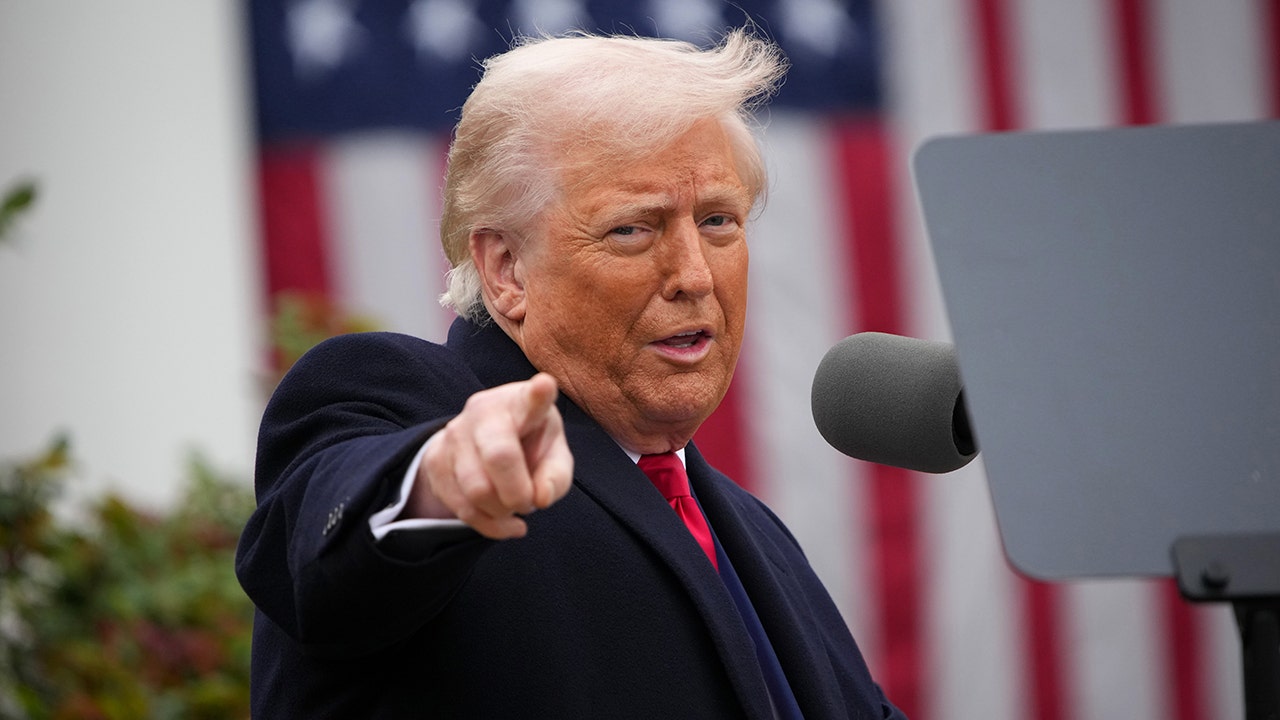
Beyond Liberation Day: How Trump’s Tariffs Reshape Global Trade
As nations prepare to commemorate Liberation Day, the ripple effects of former President Donald Trump’s tariffs are accelerating a fundamental transformation in international commerce. Implemented between 2018-2020, these trade barriers—ranging from 7.5% on EU automobiles to 25% on Chinese goods—have evolved from temporary measures into structural economic forces. Experts now warn that the global trading system faces its most significant realignment since the 1994 Uruguay Round established the World Trade Organization.
The Strategic Calculus Behind the Tariff Surge
Trump’s administration imposed tariffs on over $380 billion worth of imports, with China bearing the brunt at $350 billion. While initially framed as protectionist measures for domestic industries, data reveals deeper strategic objectives:
- Supply chain repatriation: 40% of manufacturers reported relocating operations from China post-tariffs (Reshoring Initiative 2023)
- Technology containment: Semiconductor tariffs coincided with CHIPS Act funding to boost U.S. production
- Geopolitical leverage: Tariffs became bargaining chips in NATO funding negotiations
“These weren’t blunt instruments—they were precision tools recalibrating America’s economic relationships,” explains Dr. Elena Rodriguez, trade policy fellow at the Brookings Institution. “The Biden administration’s decision to maintain 97% of them confirms their strategic value.”
Global Reactions and the Domino Effect
International responses have created a complex web of retaliatory measures and alliances:
| Country/Region | Retaliatory Tariffs | Alternative Trade Pacts |
|---|---|---|
| European Union | $3.2B on bourbon, motorcycles | Accelerated EU-Japan EPA |
| China | $110B on soybeans, aircraft | RCEP regional agreement |
| Canada/Mexico | $16.6B combined | USMCA renegotiation |
Asian markets have been particularly transformed. Vietnam’s exports to the U.S. surged 300% since 2018, while Mexico displaced China as America’s top trading partner in 2023—a position unseen since 2002.
The Economic Aftermath: Winners and Losers
Five years of trade wars have yielded paradoxical outcomes. While the U.S. manufacturing base added 1.2 million jobs, consumers paid $51 billion annually in higher prices (Tax Foundation analysis). The agricultural sector received $28 billion in bailouts but lost permanent market share in China.
“We’re witnessing the Great Decoupling in real time,” notes Raymond Chen of the Asia Trade Initiative. “Globalization isn’t ending—it’s Balkanizing into competing blocs with distinct standards and supply chains.”
Emerging Trade Alliances Take Shape
The tariff wars accelerated three significant realignments:
- Nearshoring: 78% of Fortune 500 companies restructured supply chains within continental boundaries
- Friend-shoring: Critical minerals trade shifted to allies like Australia and Canada
- Techno-blocs: Separate tech ecosystems emerging around U.S. and Chinese standards
Mexico exemplifies this shift. Its export manufacturing zones now house 1,400 new Chinese-owned factories—capitalizing on USMCA benefits while bypassing Section 301 tariffs.
What Comes After the Trade Wars?
As the 2024 election looms, three scenarios dominate policy discussions:
- Status Quo Plus: Biden maintains tariffs but expands exemptions
- Trump 2.0: 10% universal baseline tariff proposed
- WTO Reformation: 136 nations negotiating dispute resolution reforms
The Peterson Institute projects that permanent tariffs could reduce global GDP by $1.4 trillion annually by 2030. Yet with 68% of Americans now supporting “strategic protectionism” (Pew Research), the political winds favor continued economic nationalism.
Preparing for the New Trade Normal
Business leaders advise adapting to this fragmented landscape:
- Diversify suppliers across multiple geopolitical blocs
- Invest in customs compliance automation
- Leverage free trade zones like Dominican Republic-CAFTA
“The genie won’t go back in the bottle,” warns supply chain analyst Maria Gutierrez. “Companies that survived COVID disruptions are now building tariff-resistant operations as standard practice.”
As trade policies eclipse traditional Liberation Day commemorations, one reality becomes clear: the rules-based international order has irrevocably changed. Stakeholders across the spectrum must now navigate a world where economic security routinely trumps free trade principles.
For ongoing analysis of evolving trade policies, subscribe to our Global Commerce newsletter and receive weekly briefings on tariff developments.
See more CCTV News Daily