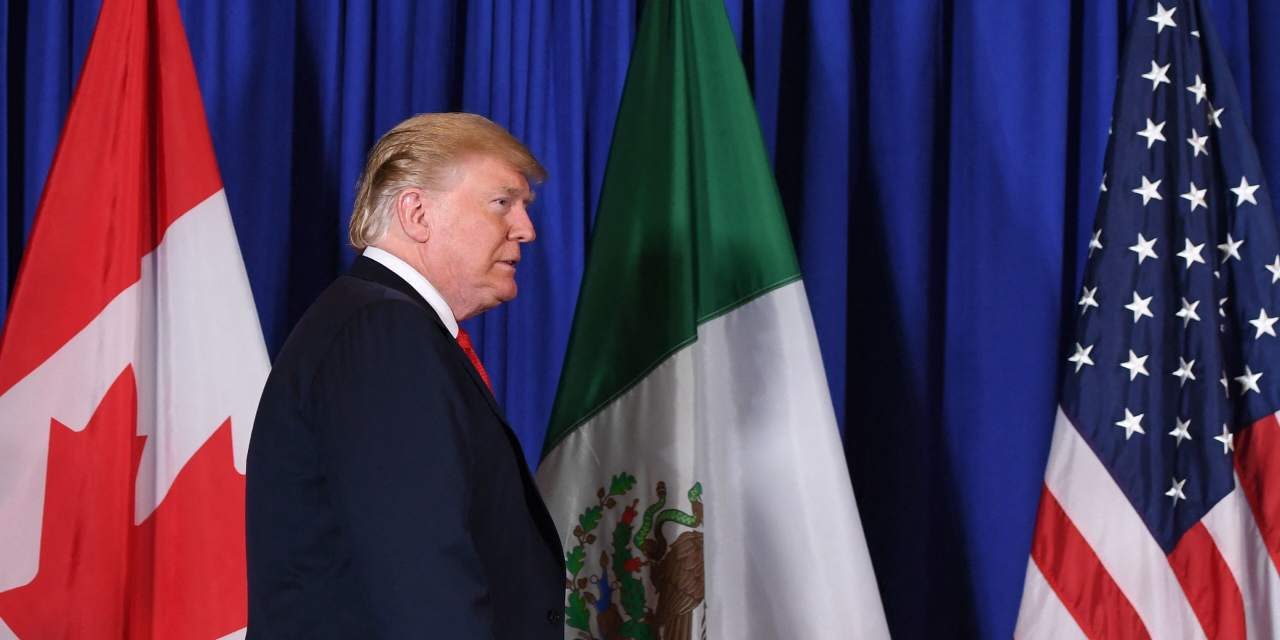
The imposition of tariffs by the Trump administration marked a significant shift in international trade relations, creating ripples that were felt far beyond U.S. borders. Canada, China, and Mexico, three pivotal players in global commerce, have been particularly affected by these economic policies. As the situation evolves, these nations are employing a variety of strategies to counteract the adverse effects of tariffs, protect their economic interests, and foster trade resilience. This article delves into the responses from Canada, China, and Mexico, highlighting their tactical maneuvers in the face of escalating trade tensions.
Understanding the Impact of Trump Tariffs
When the Trump administration announced tariffs on steel, aluminum, and a range of other goods, the intention was to protect American industries and jobs. However, the consequences were far-reaching, prompting retaliatory measures from affected countries. Canada, China, and Mexico found themselves in a position where constructive responses were necessary to mitigate the financial fallout.
Each of these nations has unique economic relationships with the United States, and their responses reflect both their geopolitical priorities and economic needs. The tariffs not only affected direct trade but also strained diplomatic relations, leading to a complex web of negotiations and countermeasures.
Canada’s Strategic Countermeasures
As a close neighbor and key trading partner, Canada faced immediate repercussions from U.S. tariffs. The Canadian government, led by Prime Minister Justin Trudeau, took a multi-faceted approach to address these challenges:
- Retaliatory Tariffs: Canada imposed its own tariffs on a variety of American goods, including whiskey, yogurt, and various steel products. This move was aimed at countering the impact of U.S. tariffs and sending a clear message of solidarity with Canadian industries.
- Trade Diversification: Recognizing the risks of heavy reliance on the U.S. market, Canada has actively sought to diversify its trade partnerships. Initiatives to strengthen ties with European and Asian markets, particularly through agreements like the Comprehensive Economic and Trade Agreement (CETA), have gained momentum.
- Support for Affected Industries: The Canadian government rolled out financial aid packages for industries hit hardest by the tariffs, including steel and aluminum manufacturers. This support aimed to cushion the blow and maintain employment levels.
Canada’s response highlights a commitment to protecting its industries while simultaneously pursuing broader international trade relationships.
China’s Calculated Response
China’s response to the Trump tariffs has been characterized by a combination of retaliatory measures and strategic economic initiatives. As one of the largest economies in the world, China’s approach reflects both its economic might and its diplomatic strategies:
- Reciprocal Tariffs: China implemented tariffs on U.S. goods, targeting key sectors such as agriculture and automotive. This action was not only a direct response to U.S. tariffs but also aimed at applying pressure on American farmers and producers.
- Strengthening Domestic Consumption: To offset the impact of tariffs, China has focused on boosting domestic consumption. By fostering a consumer-driven economy, China aims to reduce its reliance on exports and create a more resilient economic structure.
- Expanding Trade Partnerships: China has actively pursued trade agreements with other nations, notably through initiatives like the Belt and Road Initiative (BRI). This strategy not only fosters economic ties but also enhances China’s influence on the global stage.
China’s response illustrates a balancing act of demonstrating resilience while seeking alternative avenues for growth amidst trade tensions.
Mexico’s Adaptive Strategies
Mexico, as a key trading partner of the United States, faced unique challenges due to its geographical proximity and economic integration through agreements like the USMCA (United States-Mexico-Canada Agreement). In response to the tariffs, Mexico adopted several adaptive strategies:
- Retaliatory Tariffs: Similar to Canada, Mexico imposed tariffs on U.S. products, including pork, apples, and flat steel. These retaliatory measures aimed to protect Mexican industries and send a strong signal of defiance against U.S. trade policies.
- Enhancing Domestic Production: Mexico has focused on enhancing its domestic manufacturing capabilities, particularly in critical sectors such as automotive and electronics. By investing in local industries, Mexico hopes to reduce its vulnerability to external trade pressures.
- Negotiating Trade Agreements: Mexico has actively sought to strengthen its trade relationships beyond the U.S., entering into agreements with countries like Japan and the European Union. This diversification strategy is designed to mitigate the risks associated with over-reliance on the U.S. market.
Mexico’s actions underscore its determination to navigate through challenging trade dynamics while fostering economic resilience.
The Role of Multilateral Negotiations
While Canada, China, and Mexico have taken individual measures to counteract the effects of tariffs, multilateral negotiations remain a crucial element in addressing trade tensions. Organizations like the World Trade Organization (WTO) play a vital role in facilitating dialogue and resolving disputes. The importance of maintaining open lines of communication cannot be overstated, as tariffs can escalate into broader trade wars that have long-lasting repercussions.
Future Outlook: Opportunities Amidst Challenges
Looking ahead, the trade landscape is complex but ripe with opportunities. Canada, China, and Mexico are not only responding to immediate challenges but are also strategically positioning themselves for future growth in an interconnected global economy. By diversifying their trade partnerships, investing in domestic industries, and fostering multilateral cooperation, these nations can build a more resilient economic framework.
In this era of trade tensions, adaptability will be key. Countries that embrace innovative solutions and seek collaborative approaches will likely emerge stronger. As we navigate these turbulent waters, the resilience and creativity of Canada, China, and Mexico will be instrumental in shaping the future of global trade.
In conclusion, the responses of Canada, China, and Mexico to the Trump tariffs illustrate the complexities of international trade relations. By employing a range of strategies, these countries are not only protecting their economic interests but are also paving the way for a more resilient and diversified trade landscape.
See more CCTV News Daily