Rethinking Trade: Should Trump’s War Focus on China’s Labor Practices?
As U.S.-China trade tensions escalate, policymakers and economists are debating whether the Trump administration should sharpen its focus on China’s alleged forced labor practices. With evidence mounting of human rights abuses in Xinjiang and beyond, critics argue that trade policies must address labor exploitation—not just tariffs. The shift could redefine global supply chains, strain diplomatic relations, and reshape corporate accountability.
The Case for Targeting China’s Labor Practices
Human rights organizations have long documented forced labor in China, particularly in Xinjiang, where Uyghur minorities face systemic oppression. A 2020 U.S. State Department report estimated over 1 million Uyghurs are detained in re-education camps, with many coerced into factory work. “Ignoring these abuses while negotiating trade deals makes the U.S. complicit,” says Dr. Elena Carter, a Georgetown University trade policy expert. “Labor standards must be non-negotiable.”
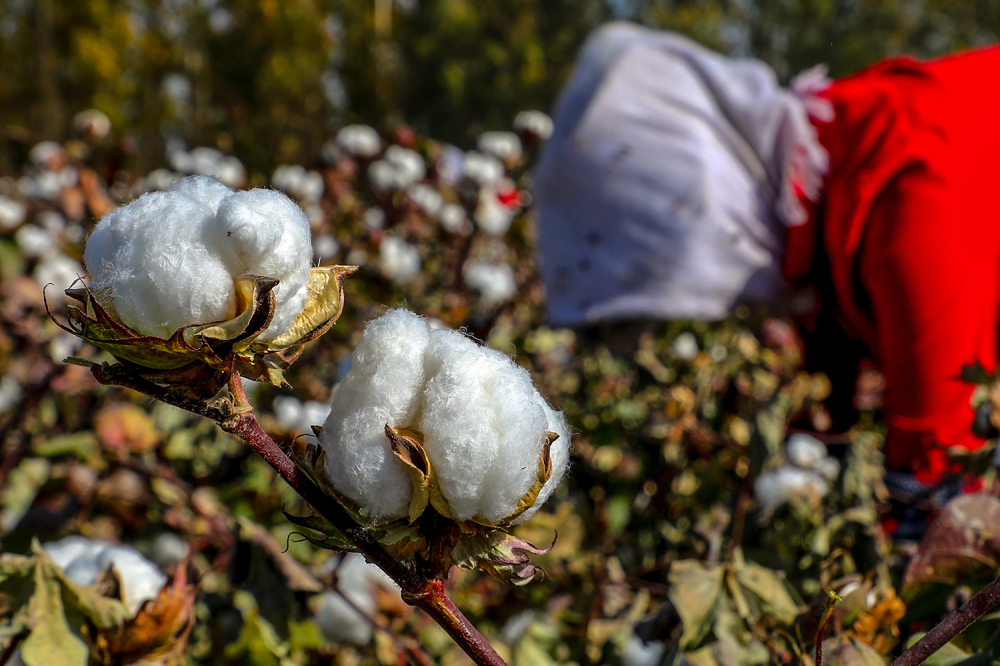
Recent legislation reflects growing momentum. The Uyghur Forced Labor Prevention Act (2021) bans imports tied to Xinjiang unless companies prove their supply chains are clean. However, enforcement remains patchy. Data from the Coalition to End Forced Labour reveals that 20% of global cotton and 45% of solar-grade polysilicon—key Chinese exports—originate from Xinjiang.
- Economic Leverage: The U.S. imported $435 billion in Chinese goods in 2022; targeted sanctions could hit hard.
- Consumer Pressure: 68% of Americans favor stricter import bans on goods made with forced labor (Pew Research, 2023).
Potential Backlash and Diplomatic Fallout
China vehemently denies labor abuse claims, calling them “Western propaganda.” Retaliatory measures could include:
- Export restrictions on rare earth minerals, vital for U.S. tech and defense.
- Heightened tariffs on American agricultural exports, hurting farmers.
“A labor-centric trade war risks destabilizing global markets,” warns James Lin, a Beijing-based economist. “Supply chains are already fragile post-pandemic.” Meanwhile, European allies hesitate to join U.S. sanctions, fearing economic blowback. Germany’s trade with China hit €246 billion in 2022—a record high.
Corporate Dilemmas: Profits vs. Ethics
Multinational corporations face mounting scrutiny. Apple, Nike, and Tesla rely heavily on Chinese manufacturing but now grapple with shareholder demands to exit Xinjiang-linked suppliers. A 2023 McKinsey study found that 60% of Fortune 500 companies lack full supply chain transparency.
“The cost of compliance is steep, but the cost of inaction is higher,” says Rachel Nguyen, an ESG analyst. “Brands linked to forced labor face consumer boycotts and legal action.” For example, H&M lost 30% of its Chinese market share in 2021 after criticizing Xinjiang labor conditions.
Global Implications and the Path Forward
A U.S. pivot to labor-centric trade policies could:
- Accelerate supply chain diversification to Vietnam, India, and Mexico.
- Strengthen alliances with labor-conscious partners like Canada and Australia.
- Spark WTO reforms to enforce labor clauses in trade agreements.
Yet, unilateral action may yield limited results. “Real change requires multilateral coalitions,” argues Carter. The Biden administration’s Indo-Pacific Economic Framework (IPEF) includes labor standards, but participation remains voluntary.
Conclusion: A Moral or Economic Imperative?
The debate transcends economics, touching on human rights and geopolitical strategy. While targeting China’s labor practices could align trade policy with American values, the economic risks are undeniable. As Congress weighs stricter measures, businesses must audit supply chains, and consumers must demand transparency. The world is watching: will trade become a tool for justice or a catalyst for further division?
For deeper insights, explore the U.S. Department of Labor’s 2023 Findings on the Worst Forms of Child Labor or join the conversation with #EthicalTrade.
See more CCTV News Daily