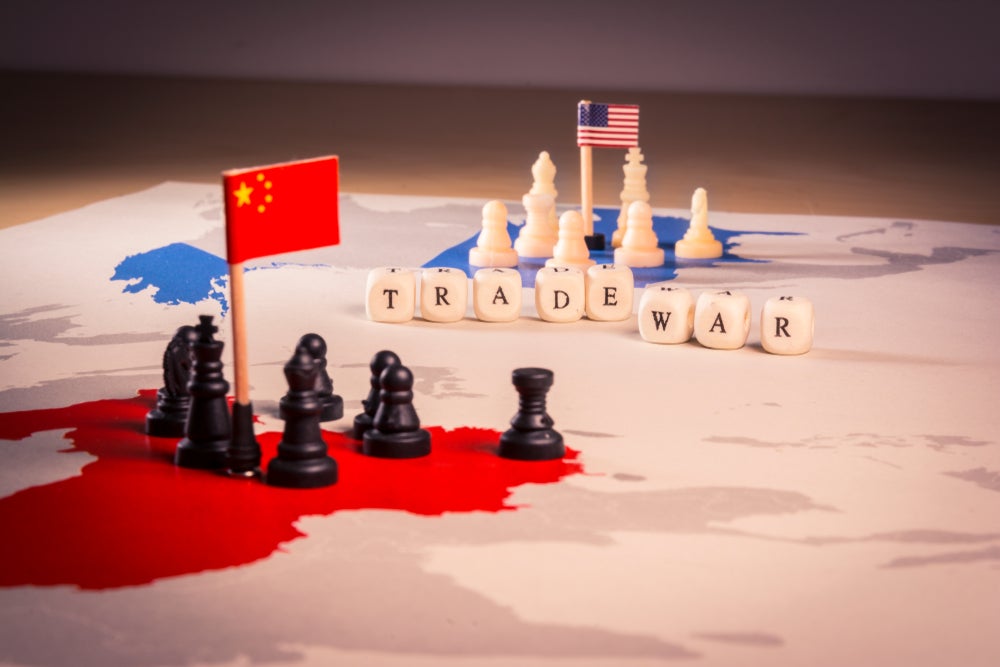
Will China Face Isolation in the Trade War Against the U.S.?
As the trade conflict between the United States and China intensifies, various concerns arise regarding the potential for China to face isolation akin to that of Russia following its geopolitical maneuvers. The ongoing tensions have prompted Chinese leadership to reflect on their economic strategies and global relationships. Experts from various fields weigh in on the implications of this trade war for China’s economy and its standing on the world stage.
The Current Landscape of U.S.-China Trade Relations
The trade war between the U.S. and China began in earnest in 2018 when the Trump administration imposed tariffs on a range of Chinese goods. This contentious relationship has continued to evolve, with both nations implementing various tariffs and trade barriers. As of 2023, the Biden administration has maintained a tough stance on China, citing issues such as intellectual property theft, unfair trade practices, and national security concerns.
China, for its part, has voiced concerns about the repercussions of these trade policies. The Chinese leadership fears a potential isolation from the global economy, reminiscent of the isolation faced by Russia after its invasion of Ukraine. This fear is compounded by the West’s increasing scrutiny of China’s human rights record and its assertive foreign policy in the Asia-Pacific region.
Economic Implications of Isolation
Isolation in the trade war could have significant ramifications for China’s economy. Here are some potential outcomes:
- Disruption of Supply Chains: China is a crucial part of the global supply chain. Isolation could disrupt not only its economy but also the economies of countries that rely on Chinese goods and manufacturing.
- Decrease in Foreign Investment: If foreign companies perceive China as a risky environment due to trade tensions, investment may dwindle, further affecting economic growth.
- Export Challenges: With tariffs in place, Chinese exports could decrease, leading to trade imbalances and economic slowdown.
Despite these challenges, experts argue that China is not without options. The country has been proactively seeking to diversify its trade partnerships, particularly with nations in Asia, Africa, and Latin America.
China’s Strategic Responses
In response to potential isolation, China has initiated several strategies to bolster its economic resilience:
- Belt and Road Initiative (BRI): This massive infrastructure and economic development project aims to enhance trade links between China and various countries across Asia, Europe, and Africa, promoting economic cooperation and trade.
- Strengthening Regional Partnerships: China has sought to deepen ties with neighboring countries through regional trade agreements, such as the Regional Comprehensive Economic Partnership (RCEP), which includes many of its largest trading partners.
- Technological Advancement: China is investing heavily in technology sectors, striving for self-sufficiency in critical areas like semiconductors, artificial intelligence, and renewable energy.
Global Reactions and the Role of Allies
The question of whether China will face isolation also hinges on how other countries respond to the U.S.-China trade war. Many nations are caught in the middle, weighing their economic ties with both superpowers. Some potential scenarios include:
- Alliances with the U.S.: Countries aligned with the U.S. may choose to support American policies, further isolating China. For example, European nations have generally supported the U.S. stance on trade and human rights issues.
- Non-Aligned Movement: Other countries may opt for a non-aligned stance, seeking to benefit from trade with both the U.S. and China without picking sides.
- Closer Ties with China: Some nations, particularly in the developing world, may gravitate toward China, viewing it as a counterbalance to U.S. influence.
The dynamics within these relationships are complex and fluid, with each nation considering its economic interests and political affiliations.
The Future of Global Trade
The question remains: will China indeed face isolation in the trade war against the U.S.? While the potential exists, it is essential to recognize that global trade is increasingly interconnected. The interdependence of economies means that outright isolation is challenging, if not impossible, for any major economic player.
Furthermore, the rise of alternative trade blocs and agreements may provide China with avenues to mitigate the impacts of U.S. tariffs and trade barriers. The global landscape is ever-evolving, and as nations adapt to changing circumstances, new opportunities may arise for China, even amidst tensions with the U.S.
Conclusion
In conclusion, while China faces significant challenges in the ongoing trade war against the United States, outright isolation may not be a foregone conclusion. The strategic responses China is implementing, coupled with the complex web of global trade relationships, could provide it with the resilience needed to navigate these turbulent waters. As the situation develops, the world will be watching closely to see how these dynamics unfold and what they mean for the future of international trade.
Ultimately, countries across the globe will continue to assess their positions, balancing economic interests against geopolitical realities. China’s ability to adapt and respond strategically will play a crucial role in determining whether it faces isolation or finds new pathways for growth and cooperation.
See more CCTV News Daily