Trade Tensions Escalate as Beijing Imposes Bold Tariffs on US Imports
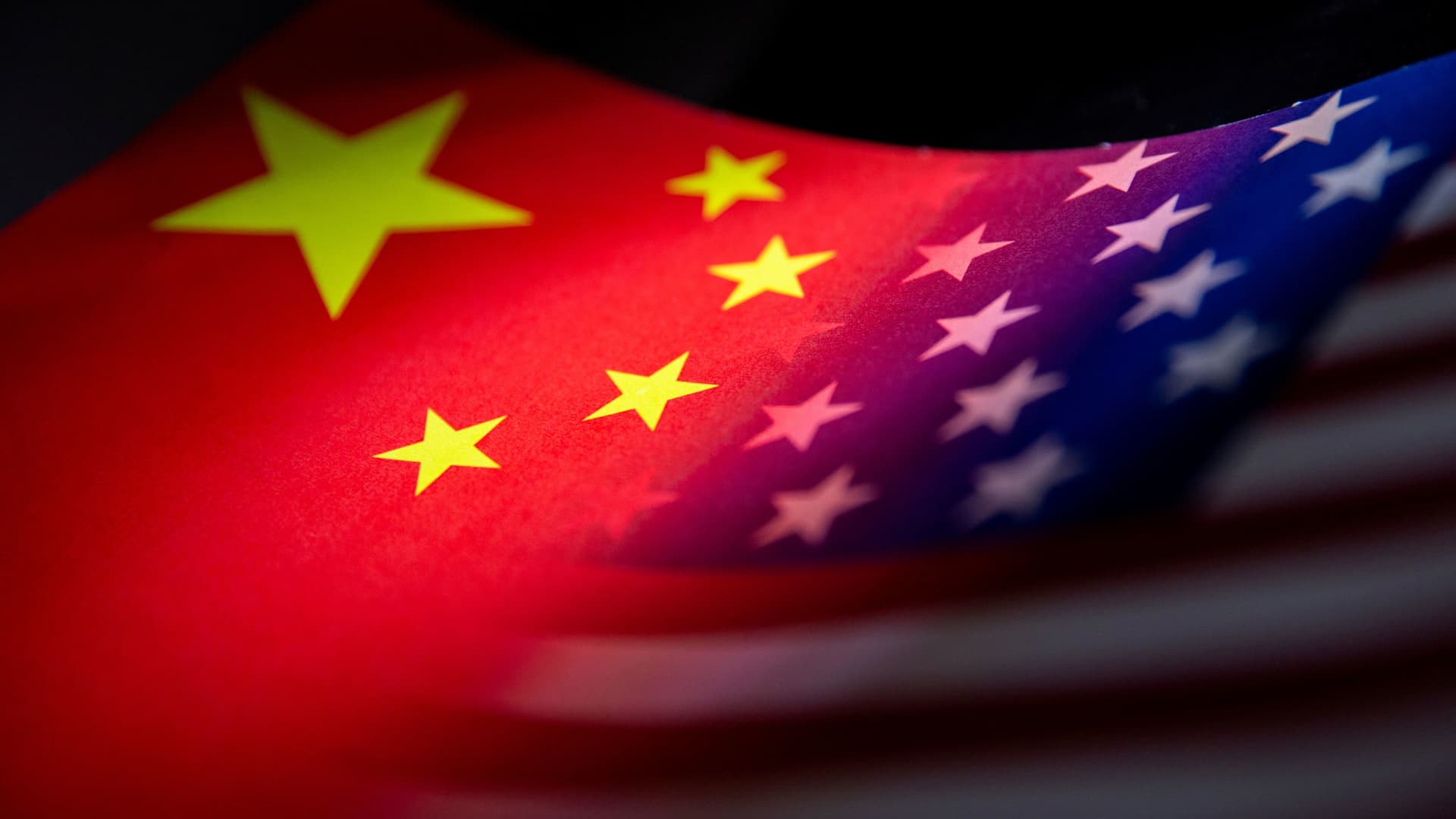
China has fired the latest salvo in its economic standoff with the United States, announcing sweeping tariffs targeting $50 billion worth of American goods. The retaliatory measures, unveiled on May 14, 2024, come in direct response to Washington’s recent restrictions on Chinese technology and manufacturing imports. This escalation threatens to reignite a full-blown trade war that could disrupt global supply chains and slow economic growth worldwide.
The New Tariff Landscape: What Beijing Is Targeting
Beijing’s latest tariffs take direct aim at politically sensitive US industries, with rates reaching as high as 25% on key exports:
- Electric vehicles (25% tariff, up from 15%)
- Semiconductors (50% tariff, doubled from previous rates)
- Agricultural products including soybeans and pork (30% tariff)
- Medical devices and pharmaceuticals (20% tariff)
“This isn’t random retaliation—it’s surgical precision targeting industries where America dominates and where political pressure points exist,” explains Dr. Lin Wei, trade policy analyst at Beijing University. “The EV tariffs particularly sting as the Biden administration has heavily subsidized domestic production.”
Economic Fallout: Projected Impacts on Global Trade
The International Monetary Fund estimates these new measures could:
- Reduce global GDP growth by 0.3-0.5% in 2024
- Increase consumer prices by 1.2% in affected sectors
- Disrupt supply chains for over 15,000 multinational companies
Emerging markets face particular vulnerability. “When elephants fight, the grass suffers,” notes World Trade Organization economist Maria Fernandez. “Smaller economies dependent on Chinese manufacturing or US agricultural imports get caught in the crossfire.”
Historical Context: From Trade War to Tech War
The current escalation marks the third major phase in US-China trade tensions since 2018. What began as tariffs on steel and aluminum has evolved into a broader conflict over technological supremacy:
- 2018-2020: Reciprocal tariffs focused on industrial and agricultural goods
- 2021-2023: Export controls on advanced semiconductors and manufacturing equipment
- 2024-Present: Comprehensive trade and investment restrictions in strategic sectors
“We’re no longer just talking about trade imbalances,” says former US trade representative Michael Froman. “This is about which nation will set the rules for 21st century commerce and innovation.”
Industry Reactions: Winners and Losers
The tariffs create clear sectoral divisions:
Benefiting:
- Chinese domestic EV manufacturers (BYD, NIO shares rose 8% post-announcement)
- European and South Korean semiconductor producers
Hurting:
- US farmers (soybean futures dropped 5%)
- Automakers with Chinese production (Tesla shares fell 3%)
John Deere CEO Marc Howson warned, “Agricultural communities will bear the brunt. We’re looking at potentially 15,000 job losses if this persists through harvest season.”
Geopolitical Calculus Behind the Trade Moves
Analysts see Beijing’s timing as strategically significant, coinciding with:
- The US presidential election cycle
- Ongoing negotiations over Chinese access to advanced chip technology
- Recent US sanctions on Chinese banks allegedly supporting Russian defense firms
“This is economic statecraft,” asserts Georgetown University professor Evan Medeiros. “China appears to be testing whether election-year pressures will force Washington to soften its stance on technology transfers.”
Potential Escalation Pathways
Worst-case scenarios include:
- US restrictions on Chinese rare earth mineral imports
- Chinese limitations on Apple product sales
- Mutual divestment requirements for multinational corporations
However, some observers detect room for negotiation. “The tariffs exclude commercial aircraft and certain pharmaceuticals,” notes CSIS China expert Scott Kennedy. “That leaves doors open for sector-specific deals.”
What Comes Next in the US-China Trade Standoff
The immediate timeline suggests:
- June 2024: US Treasury expected to announce countermeasures
- July 2024: G7 summit likely to address coordinated response
- September 2024: WTO dispute resolution hearings begin
Long-term, the confrontation may accelerate global economic fragmentation. Already, 37% of multinational firms report shifting supply chains away from China, according to a recent UBS survey.
For businesses navigating these turbulent waters, the advice is clear: “Diversify your suppliers, model multiple tariff scenarios, and prepare for prolonged uncertainty,” recommends global trade consultant Alicia Garcia. “This isn’t a temporary squall—it’s climate change for international commerce.”
Stay informed on evolving trade policies by subscribing to our global business newsletter for weekly updates and expert analysis.
See more CCTV News Daily