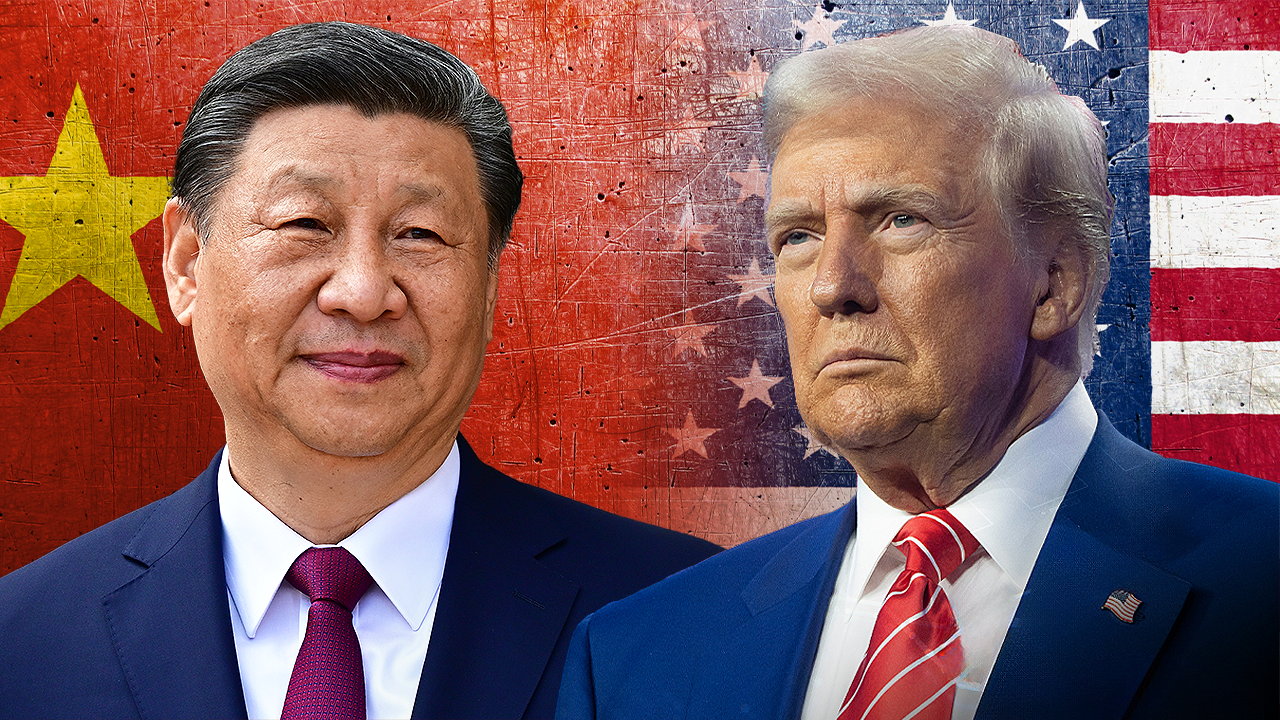
Tensions Rise: Trump and China Intensify Trade War with Bold New Strategies
In a sharp escalation of economic hostilities, former U.S. President Donald Trump and China have unveiled aggressive new trade measures that threaten to destabilize global markets. The latest moves, announced this week, include sweeping tariffs on key imports and retaliatory export restrictions, reigniting fears of a prolonged economic standoff. Analysts warn these strategies could disrupt supply chains, inflate consumer prices, and strain international relations for years to come.
New Tariffs and Countermeasures Shake Global Markets
The Trump administration proposed 60% tariffs on all Chinese imports, while Beijing responded by restricting rare earth mineral exports—a critical component for U.S. tech and defense industries. These actions mark the most significant escalation since the trade war began in 2018. According to the Peterson Institute for International Economics, the new tariffs could impact $350 billion in bilateral trade annually.
“This isn’t just posturing—it’s economic mutually assured destruction,” said Dr. Linda Chen, senior fellow at the Brookings Institution. “Both sides are targeting sectors where they know it will hurt the most, with little regard for collateral damage.”
Key immediate impacts include:
- U.S. semiconductor manufacturers facing 25% cost increases for Chinese components
- Chinese auto exporters bracing for 40% tariff hikes on electric vehicles
- Global shipping companies rerouting $12 billion in annual cargo to avoid conflict zones
Economic Fallout Spreads Beyond Borders
Emerging markets are caught in the crossfire, with Southeast Asian economies particularly vulnerable. The Asian Development Bank projects a 0.8% reduction in regional GDP growth if tensions persist through 2025. European manufacturers, meanwhile, report a 15% surge in component costs as trade routes fragment.
“We’re seeing the early stages of global supply chain Balkanization,” noted Markus Weber, lead analyst at Global Trade Watch. “Companies that built operations around Sino-American trade flows are now scrambling to develop expensive contingency plans.”
Recent data illustrates the widening impact:
- Global trade volume growth slowed to 1.7% in Q1 2024—half the post-pandemic average
- U.S. consumer electronics prices rose 8.3% year-over-year
- Chinese manufacturing PMI contracted for the third consecutive month
Political Calculations Behind the Economic Warfare
Observers note the timing coincides with both nations’ domestic political calendars. Trump’s proposal aligns with his campaign pledge to “get tough on China,” while Beijing’s response demonstrates President Xi’s refusal to appear weak before the 20th Party Congress. This political dimension makes compromise increasingly difficult.
“These aren’t purely economic decisions—they’re about demonstrating resolve to domestic audiences,” explained former U.S. Trade Representative Carla Hills. “That makes de-escalation particularly challenging because neither side can afford to lose face.”
The strategic gambits reveal deeper priorities:
- U.S. aims to reshore advanced manufacturing capabilities
- China seeks to reduce dependence on Western technology
- Both nations competing for influence in developing markets
Sector-Specific Impacts and Corporate Responses
Technology and green energy sectors face disproportionate disruption. Tesla recently announced delays in its Shanghai plant expansion, while Apple accelerated plans to shift 30% of iPhone production to India. Chinese solar panel manufacturers, conversely, are redirecting exports to Middle Eastern and African markets.
“The rules of global commerce are being rewritten in real time,” said Siemens CEO Roland Busch during an earnings call. “Multinationals can no longer assume stable trade frameworks—resilience has become more important than efficiency.”
Notable corporate adaptations include:
- South Korean chipmakers building $28 billion in new U.S. fabrication plants
- Chinese EV makers establishing European supply chains to bypass tariffs
- U.S. agricultural exporters pivoting to Southeast Asian markets
What Comes Next in the Trade War Escalation?
Most analysts predict further escalation before any potential resolution. The U.S. is reportedly considering restrictions on Chinese cloud computing services, while Beijing may leverage its dominance in pharmaceutical ingredients. The World Trade Organization warns the conflict could reduce global trade growth by 1.2 percentage points in 2025.
Potential flashpoints to watch:
- Upcoming G20 trade ministers meeting in November
- China’s response to potential U.S. investment restrictions
- European Union’s positioning as neutral mediator
For businesses navigating these turbulent waters, the time to assess vulnerabilities and diversify supply chains is now. Subscribe to our trade policy newsletter for ongoing analysis of this developing situation.
See more CCTV News Daily