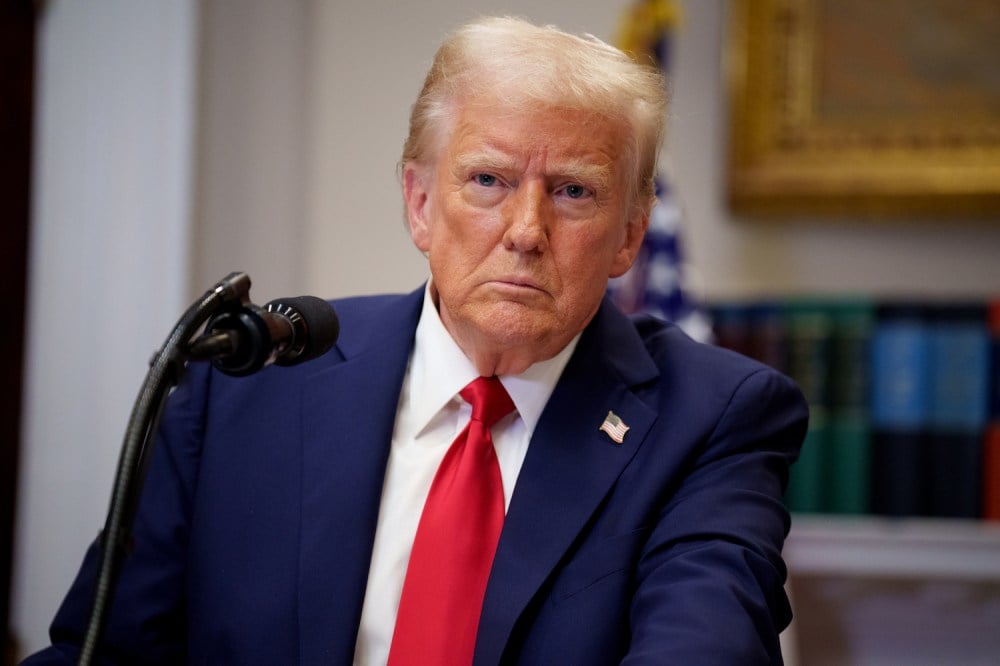
Unraveling the Trade War: The Implications of Trump’s Tariff Threats
As the global economy grapples with the uncertainties introduced by the Trump administration’s tariff threats, the implications are vast and complex. The trade war initiated by the United States has raised critical questions regarding international trade relations, consumer behavior, and the future of global economic stability. This article seeks to unravel the intricacies of the trade war, shedding light on its potential ramifications for both consumers and businesses alike.
Understanding the Background of Trump’s Tariff Threats
The trade war ignited by President Donald Trump began in earnest in 2018 when he introduced tariffs on a wide range of products from countries like China, Canada, and the European Union. The rationale behind these tariffs was multifaceted, including:
- Protection of Domestic Industries: Trump aimed to safeguard American jobs and industries from foreign competition.
- Trade Deficits: A persistent trade deficit with countries like China prompted calls for action to rebalance trade relations.
- Intellectual Property Issues: The administration accused China of stealing American intellectual property, which fueled tensions.
These tariffs were not merely economic tools; they were also political statements, reflecting a shift in how the U.S. viewed its role in the global economy. The intention was to foster an environment where American products could thrive unimpeded by foreign competition.
The Immediate Effects on Global Trade
The announcement of tariffs sent shockwaves through global markets. Countries affected by the tariffs retaliated with their own tariffs, creating an escalating cycle of trade barriers. This has led to several immediate effects on global trade, including:
- Increased Prices for Consumers: Tariffs often lead to higher prices for imported goods, which are passed down to consumers. For instance, products like electronics, clothing, and even groceries saw price hikes.
- Supply Chain Disruptions: Many businesses rely on international supply chains. Tariffs disrupted these chains, leading to delays and increased costs.
- Volatility in Stock Markets: Uncertainty surrounding trade policies led to fluctuations in stock markets as investors reacted to news of tariffs and retaliatory measures.
In essence, Trump’s tariff threats not only influenced the U.S. economy but also had a ripple effect on economies worldwide, highlighting the interconnectedness of global trade.
Long-term Economic Implications of Trump’s Tariff Threats
While the immediate effects are palpable, the long-term implications of Trump’s tariff threats could be even more significant. Experts suggest several potential outcomes:
- Shift in Global Supply Chains: As businesses reassess their supply chains in response to tariffs, we may witness a shift towards more localized production. Companies might seek to reduce their reliance on foreign suppliers to mitigate tariff impacts.
- Changes in Consumer Behavior: Over time, consumers may adapt to higher prices by seeking alternatives, such as purchasing domestic products or finding substitutes.
- Risk of Economic Isolation: The trade war could lead to economic isolation for the U.S. as countries seek to strengthen their trade alliances outside of traditional partnerships with the U.S.
These long-term implications emphasize the need for a strategic approach to trade that considers the global landscape rather than a unilateral focus on domestic interests.
For businesses, navigating the complexities of a trade war can be daunting. The implications of Trump’s tariff threats can vary significantly depending on the industry. Here are some key considerations:
- Manufacturers: Companies that rely heavily on imported materials may face increased costs. This could force them to increase prices, reduce margins, or explore alternative sourcing options.
- Retailers: Retailers dealing in imported goods may have to make quick decisions to maintain profitability. Some may absorb costs, while others may pass them on to consumers.
- Exporters: American exporters may find it challenging to compete in foreign markets due to retaliatory tariffs imposed by other countries.
In light of these challenges, many businesses are reevaluating their strategies. Agile and innovative companies are exploring ways to adapt to the new trade environment, whether through diversifying suppliers or investing in technology to streamline operations.
Consumer Reactions and Adjustments
The impact of tariff threats extends beyond businesses, directly affecting consumers. As prices rise and product availability fluctuates, consumer behavior is likely to shift in several ways:
- Increased Awareness: Consumers are becoming more aware of the origins of products and may prefer to buy locally sourced items as a result of rising prices on imported goods.
- Shift in Spending: With higher prices, consumers might prioritize essential goods over luxury items, altering retail sales dynamics.
- Advocacy for Policy Change: As consumers feel the pinch of tariffs, there may be a growing call for policy changes that promote free trade and reduce trade barriers.
Ultimately, consumers hold considerable power in this equation. Their choices can influence business strategies and, in turn, impact broader economic trends.
Conclusion: Charting a Path Forward
As we unravel the trade war and its implications stemming from Trump’s tariff threats, it becomes clear that the consequences are far-reaching. The interplay between businesses, consumers, and governments will shape the future of global trade and economic stability. While challenges abound, there is also an opportunity for innovation, adaptation, and collaboration. By fostering an environment that encourages dialogue and cooperation, stakeholders can work towards a more balanced and sustainable global trade system.
In conclusion, understanding the implications of Trump’s tariff threats is crucial for navigating the complexities of today’s economic landscape. Whether you are a business leader, a consumer, or a policymaker, staying informed and adaptable will be key to thriving in an uncertain trade environment.
See more CCTV News Daily