Unpacking the Complexities of Trade Wars: Understanding the Causes
Trade wars have emerged as a significant concern in the global economy, affecting countries and consumers alike. These conflicts typically arise when nations impose tariffs or other trade barriers in retaliation for perceived unfair trade practices. Understanding the complexities of trade wars requires a deep dive into their causes, impacts, and potential resolutions.
What Triggers a Trade War?
Trade wars can be sparked by a variety of factors, including:
- Trade Imbalances: Countries may initiate trade wars in response to persistent trade deficits, where imports exceed exports. This is often viewed as a sign of economic vulnerability.
- Protectionism: Governments may adopt protectionist policies to shield local industries from foreign competition, leading to retaliatory measures from trading partners.
- Intellectual Property Theft: Nations may accuse others of stealing intellectual property, prompting tariffs as a means of protection.
- Currency Manipulation: Allegations of currency manipulation can also lead to tensions, as countries may feel disadvantaged by unfair currency practices.
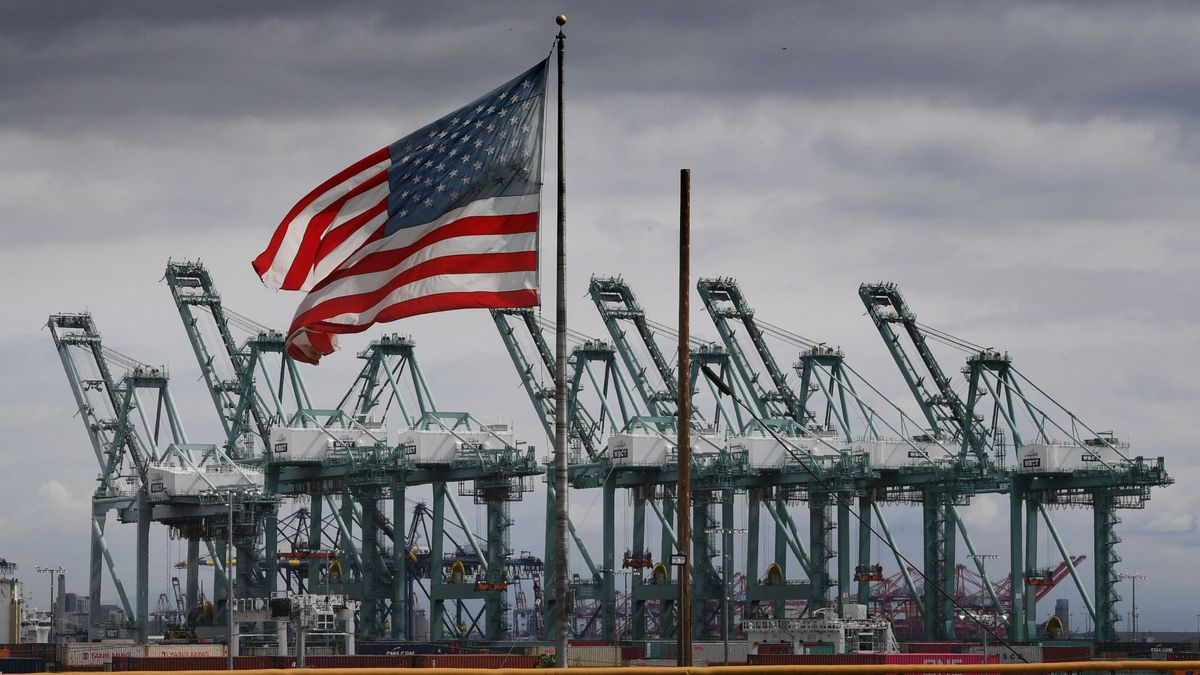
In recent years, the trade war between the United States and China has been particularly notable, stemming from these underlying issues. The U.S. accused China of unfair trade practices, including intellectual property theft and currency manipulation, leading to a series of tariffs imposed on Chinese goods.
The Economic Impacts of Trade Wars
The implications of trade wars extend beyond the nations directly involved, impacting global supply chains and economies worldwide. Here’s a closer look at the economic impacts:
1. Increased Costs for Consumers
One of the most immediate effects of trade wars is the increase in prices for consumers. Tariffs on imported goods often lead to higher costs for manufacturers, who pass these costs onto consumers. This can result in:
- Higher prices for everyday goods, from electronics to groceries.
- Reduced purchasing power for consumers, leading to decreased overall spending.
2. Disruption of Global Supply Chains
Modern economies are deeply interconnected, with many products being manufactured across multiple countries. Trade wars disrupt these supply chains, causing:
- Delays in production and distribution.
- Increased costs as companies seek to source materials from different regions.
3. Economic Slowdown
Trade wars can contribute to broader economic slowdowns. As businesses face uncertainty due to tariffs and retaliatory measures, investment may decline, leading to:
- Reduced business expansion and hiring.
- Slower economic growth rates.
Understanding the Political Dimensions of Trade Wars
Trade wars are not just economic phenomena; they are also deeply political. Leaders often use trade disputes to rally support at home, framing them as battles against unfair foreign practices. This political dimension complicates the resolution of trade conflicts.
1. Nationalism and Populism
In many cases, trade wars are fueled by rising nationalism and populist sentiments. Leaders may portray trade wars as a means to protect domestic jobs and industries, appealing to voters’ concerns over job security and economic stability. This can create:
- A reluctance to compromise, as politicians fear backlash from constituents.
- A cycle of escalating tariffs and retaliatory measures.
2. Diplomatic Relations
Trade wars can strain diplomatic relations between countries, making it more challenging to negotiate resolutions. When trust erodes, it can lead to:
- Increased tensions in other areas, such as military or environmental cooperation.
- Potential for long-term economic isolation for the countries involved.
Potential Resolutions to Trade Wars
Resolving trade wars requires a multifaceted approach. Here are some strategies that could pave the way for resolution:
1. Dialogue and Negotiation
Open lines of communication between countries can help de-escalate tensions. Diplomatic negotiations focused on:
- Addressing underlying issues like intellectual property rights.
- Establishing fair trade practices that benefit all parties.
2. Multilateral Agreements
Engaging in multilateral trade agreements can create a framework for cooperation. Such agreements promote:
- Reduction of tariffs and trade barriers.
- Stronger economic ties between nations.
3. Embracing Fair Trade Practices
Countries should commit to fair trade practices, ensuring that all nations operate on a level playing field. This includes:
- Addressing issues of currency manipulation.
- Enforcing regulations against intellectual property theft.
The Future of Trade Wars
As we look to the future, it’s clear that trade wars are likely to persist in some form. However, there is also hope for resolution through cooperation and dialogue. The global economy is resilient, and nations can benefit from embracing trade as a means of mutual growth.
In conclusion, unpacking the complexities of trade wars reveals a tangled web of economic and political factors. Understanding these elements is crucial for navigating the current landscape and working towards a more stable and prosperous economic future. By focusing on dialogue, fair practices, and multilateral agreements, countries can potentially resolve their differences and foster a more collaborative global economy.
See more CCTV News Daily