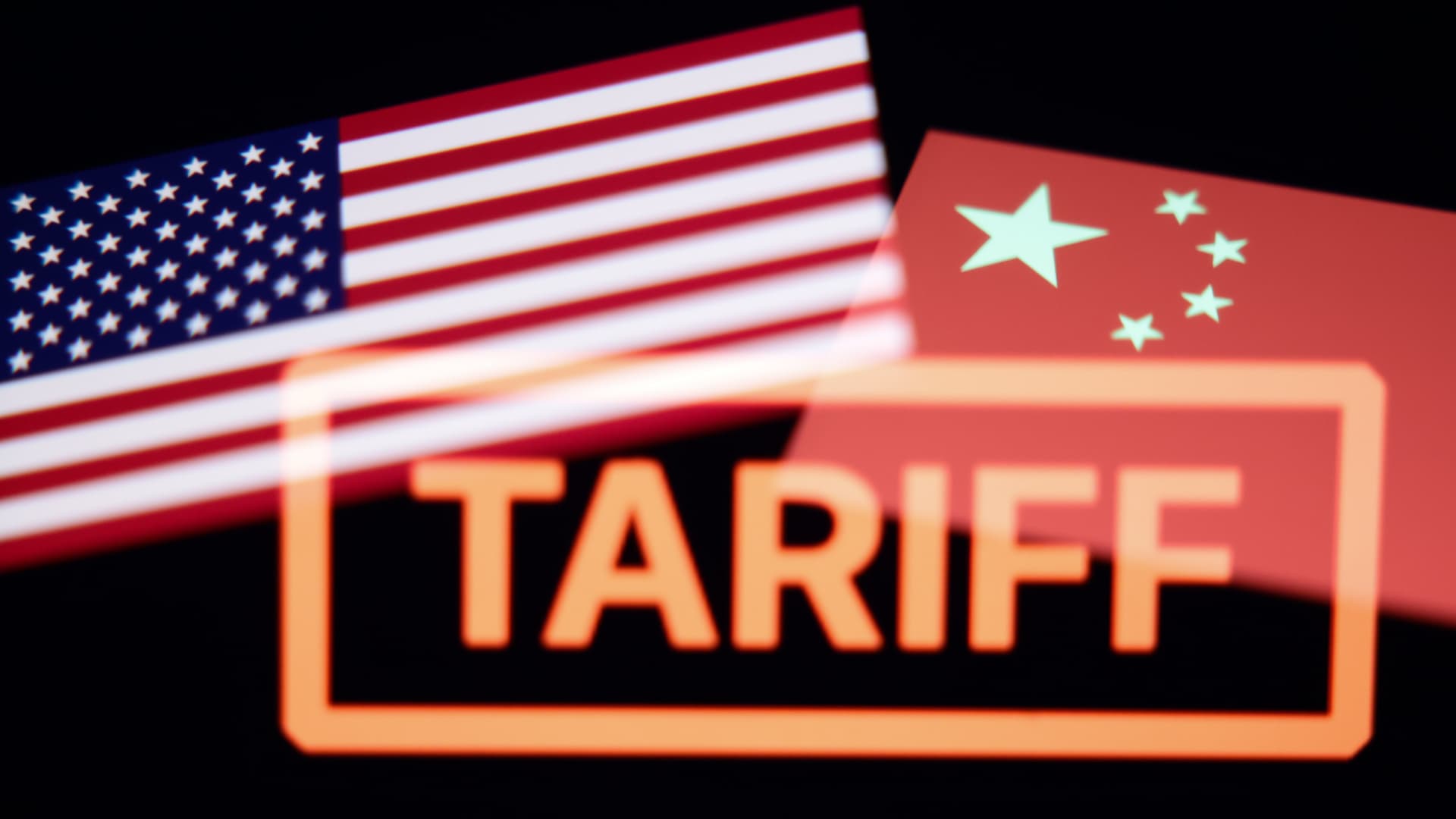
Global trade tensions are escalating as nations impose tariffs, sanctions, and export controls, reshaping economic landscapes. The latest wave of trade wars, fueled by geopolitical rivalries and protectionist policies, threatens to disrupt supply chains, inflate costs, and alter market dynamics. Businesses and consumers must adapt to survive in this volatile environment. Here’s a deep dive into the causes, impacts, and strategies for navigating these turbulent times.
The Roots of Rising Trade Tensions
The current trade wars stem from a mix of geopolitical strife, economic nationalism, and competition for technological supremacy. The U.S.-China rivalry remains a flashpoint, with both nations imposing tariffs on billions of dollars worth of goods. Meanwhile, the EU has introduced carbon border taxes, and emerging economies are leveraging trade restrictions to protect domestic industries.
According to the World Trade Organization (WTO), global trade growth slowed to just 0.8% in 2023, down from 5.4% the previous year, as tensions took their toll. Dr. Elena Rodriguez, a senior economist at the Peterson Institute for International Economics, warns, “These conflicts aren’t just about tariffs—they’re about control over critical supply chains, from semiconductors to clean energy.”
Key Players and Their Strategies
The U.S., China, and the EU dominate the trade war landscape, but smaller economies are also playing hardball:
- United States: Focused on reducing reliance on Chinese manufacturing, the U.S. has ramped up subsidies for domestic chip production and green energy.
- China: Responding with export controls on rare earth minerals and gallium, critical for electronics and defense.
- European Union: Implementing the Carbon Border Adjustment Mechanism (CBAM) to tax imports based on emissions.
Emerging markets like India and Vietnam are capitalizing on the shift, offering alternative manufacturing hubs. “Trade wars create both losers and winners,” notes Raj Patel, a trade analyst at McKinsey. “Agile economies can attract investment diverted from larger players.”
Impacts on Businesses and Consumers
From rising prices to supply chain bottlenecks, the ripple effects are widespread:
- Cost Pressures: Tariffs on Chinese goods have increased U.S. consumer prices by an estimated 3-4%, per the Federal Reserve.
- Supply Chain Shifts: 65% of firms are diversifying suppliers, according to a 2023 Deloitte survey.
- Technological Decoupling: Restrictions on semiconductor exports could delay global tech innovation.
Small businesses face the steepest challenges. Sarah Chen, owner of a U.S.-based electronics retailer, says, “We’ve had to absorb higher costs or risk losing customers. It’s a lose-lose for now.”
Strategies for Adaptation
Businesses can mitigate risks through proactive measures:
- Diversify Suppliers: Reduce dependency on single markets like China.
- Leverage Free Trade Agreements (FTAs): Utilize preferential tariffs in regions like ASEAN or Africa.
- Invest in Resilience: Stockpile critical inputs and adopt agile logistics solutions.
For consumers, staying informed is key. Price comparison tools and alternative brands can help offset inflation.
The Road Ahead: Escalation or Detente?
Experts are divided on the future. Some predict prolonged fragmentation, while others see potential for negotiated truces. The WTO warns that unchecked trade wars could slash global GDP by up to 5% by 2025. However, renewable energy and AI collaborations may offer rare areas of cooperation.
As the landscape evolves, businesses must stay vigilant. Subscribe to our newsletter for real-time updates on trade policies and market shifts. The new era of trade wars demands adaptability—those who prepare today will thrive tomorrow.
See more CCTV News Daily