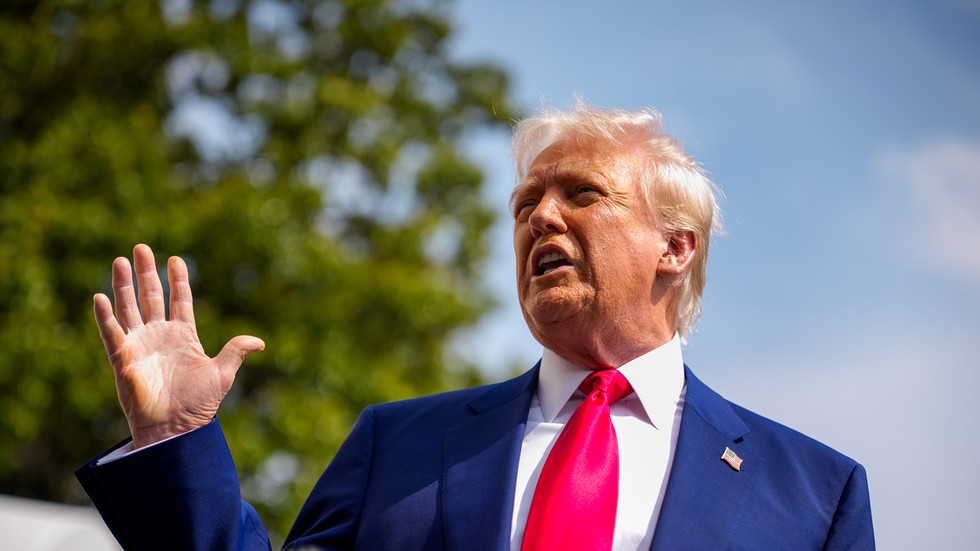
Trump’s Bold Move: A 50% Tariff Threat Looms Over China
In a dramatic escalation of trade tensions, former President Donald Trump has proposed imposing a staggering 50% tariff on Chinese imports if he returns to office. The announcement, made during a campaign rally this week, signals a potential return to aggressive trade policies that could reshape U.S.-China relations and disrupt global supply chains. Economists warn the move risks triggering retaliatory measures and inflationary pressures.
Historical Context of U.S.-China Trade Wars
The proposed tariffs mark a potential intensification of policies that defined Trump’s first term, when his administration imposed tariffs on $360 billion worth of Chinese goods. According to U.S. Census Bureau data, average tariffs on Chinese imports peaked at 19.3% in 2019 before the Phase One trade deal temporarily eased tensions.
“This isn’t just a trade policy—it’s an economic weapon,” remarked Dr. Linda Li, senior fellow at the Peterson Institute for International Economics. “A 50% tariff would effectively decimate many Chinese export industries overnight while raising prices for American consumers by an estimated 6-8% on affected goods.”
Key historical flashpoints in the trade war include:
- 2018: Initial 25% tariffs on $50 billion of Chinese goods
- 2019: Huawei added to the Entity List restricting technology exports
- 2020: Phase One agreement paused further tariff escalations
Potential Economic Impacts of 50% Tariffs
Analysis by the Tax Foundation suggests such aggressive tariffs could:
- Reduce long-term GDP by 0.5-1.2%
- Eliminate 300,000-600,000 American jobs
- Increase consumer prices across multiple sectors
However, Trump economic advisor Peter Navarro countered these projections: “The mainstream models completely miss how tariffs rebuild domestic manufacturing capacity. Our analysis shows net job gains in key industries within 24 months.”
Supply chain experts note particular vulnerability in:
- Consumer electronics (80% of U.S. imports from China)
- Industrial machinery (35% of imports)
- Pharmaceutical ingredients (critical drug components)
Geopolitical Ramifications and Global Reactions
The proposal arrives amid heightened tensions over Taiwan, technology restrictions, and China’s growing global influence. Beijing has historically responded to U.S. tariffs with:
- Counter-tariffs targeting agricultural exports
- Regulatory actions against U.S. firms
- Currency adjustments
“This would cross a Rubicon in economic relations,” warned former U.S. Trade Representative Susan Schwab. “At 50%, we’re not talking about trade policy—we’re talking about economic separation.”
European and Asian markets reacted nervously to the news, with:
- Shanghai Composite dropping 2.3%
- U.S. Treasury yields falling as investors sought safety
- Shipping stocks declining on fears of reduced trade volumes
Industry-Specific Consequences
The retail sector faces particular exposure. National Retail Federation data shows:
- 42% of apparel and 73% of footwear imports come from China
- Average tariff costs could add $200 to annual household expenses
Technology manufacturers expressed cautious concern. “While we support reducing reliance on single sources,” said a Semiconductor Industry Association spokesperson, “sudden disruptions could delay production of everything from smartphones to medical devices.”
Agricultural exporters brace for likely retaliation. China previously targeted:
- Soybeans (previously 25% retaliatory tariff)
- Pork (62% tariff at peak tensions)
- Lobsters (complete import suspension in 2020)
The Political Calculus Behind the Proposal
Observers note the announcement serves multiple political purposes:
- Appeals to manufacturing workers in swing states
- Distinguishes Trump from more trade-averse Republicans
- Positions China as an election-year foil
“This isn’t just economics—it’s identity politics with balance sheets,” commented political scientist Ian Bremmer. “The message resonates with voters who see China as both economic competitor and cultural antagonist.”
Recent polling shows:
- 72% of Americans view China unfavorably (Pew Research)
- 54% support tougher trade policies (Gallup)
- But only 38% favor policies that raise consumer prices (WSJ/NORC)
What Comes Next: Scenarios and Preparations
Business leaders are developing contingency plans ranging from:
- Accelerating Vietnam and India sourcing strategies
- Stockpiling Chinese components
- Lobbying for product-specific exemptions
Legal scholars debate whether such tariffs could face challenges under:
- WTO rules (though enforcement remains weak)
- Domestic statutory authorities
- Potential congressional opposition
As the political and economic drama unfolds, companies and consumers alike should prepare for potential turbulence in global trade. For ongoing analysis of how these developments may affect specific industries, subscribe to our trade policy briefing series.
See more CCTV News Daily