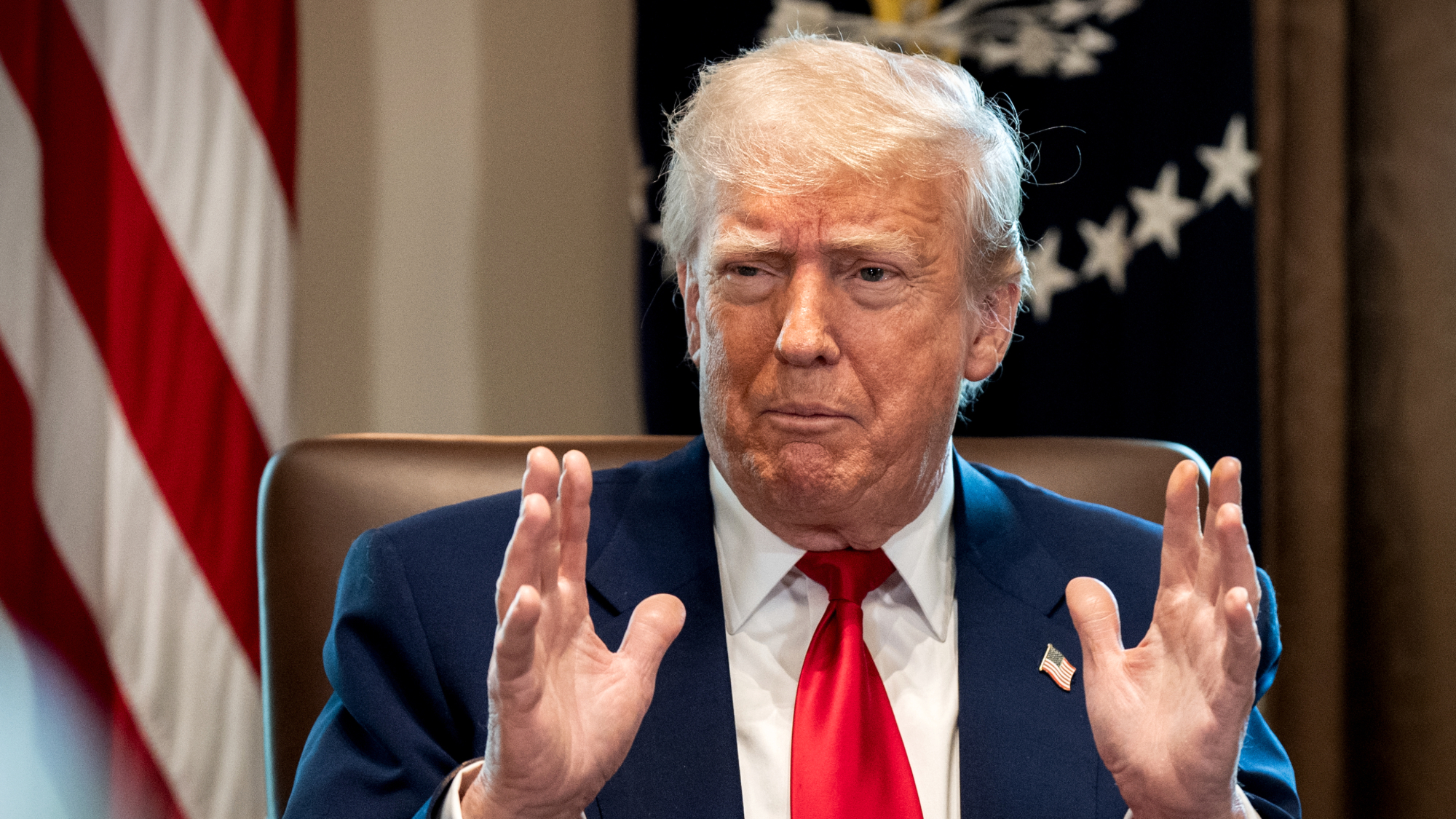
Unpacking Economic Tensions: Trump’s Critique of Biden’s Tariff Policies
Former President Donald Trump has blamed President Joe Biden’s tariff policies for the U.S. economy’s recent contraction, reigniting debates over trade strategies. Speaking at a rally in Michigan last week, Trump argued that Biden’s approach has stifled growth and harmed American workers. Economists remain divided on the impact of tariffs, as new GDP data shows a 0.9% decline in Q2 2024.
The Clash Over Tariffs and Economic Growth
Trump’s criticism centers on Biden’s decision to maintain and expand tariffs on Chinese imports, which the former president claims has backfired. “These policies are crushing our economy,” Trump asserted. “Instead of protecting jobs, they’re raising costs for families and businesses.” His remarks come as inflation remains stubbornly high at 3.4%, though unemployment sits at a low 4%.
However, Biden administration officials defend the tariffs as necessary for long-term competitiveness. “We’re leveling the playing field for American industries,” said U.S. Trade Representative Katherine Tai. “Strategic tariffs protect critical sectors like semiconductors and clean energy from unfair trade practices.”
Examining the Data: Do Tariffs Drive Economic Contraction?
Recent studies present conflicting conclusions:
- A Peterson Institute analysis found tariffs cost U.S. households $1,200 annually in higher prices
- Meanwhile, a Coalition for a Prosperous America report claims tariffs helped create 1.2 million manufacturing jobs
“The truth lies somewhere in between,” explains Dr. Alicia Reynolds, senior economist at Brookings. “Tariffs can provide short-term protection but often lead to retaliatory measures. The current GDP dip reflects multiple factors, including global supply chain disruptions.”
Historical Context: From Trump to Biden on Trade
Both administrations have employed tariffs as economic weapons, though with different philosophies:
Trump’s Approach (2017-2021):
- Imposed $370 billion in tariffs on Chinese goods
- Focused on bilateral trade deficits
- Justified tariffs under Section 301 of Trade Act
Biden’s Strategy (2021-present):
- Maintained most Trump-era tariffs
- Added targeted sanctions on technology exports
- Emphasized alliances through Indo-Pacific Economic Framework
Industry Reactions and Real-World Impacts
The agricultural sector exemplifies the tariff dilemma. Soybean exports to China plummeted 40% during the trade war but have only partially recovered. “We need stability, not ping-pong policies,” says Iowa farmer Mark Dawson. “Every administration change brings new uncertainties.”
Conversely, steel manufacturers praise the measures. “Without tariffs, we couldn’t compete with subsidized foreign steel,” notes United Steelworkers Local 210 president Gina Marquez. “They’ve allowed us to reinvest $2.3 billion in plant upgrades.”
Global Perspectives and Retaliatory Measures
China’s response has been measured but strategic. Rather than matching U.S. tariffs dollar-for-dollar, Beijing has:
- Imposed targeted sanctions on agricultural products
- Accelerated domestic semiconductor development
- Strengthened trade ties with Southeast Asia and the EU
“This isn’t 2018 anymore,” observes Asia Society policy director Henry Kwok. “China has diversified its economy and supply chains to mitigate U.S. trade pressures.”
What’s Next for U.S. Trade Policy?
With the 2024 election looming, trade policy could become a defining issue. Trump has vowed to implement across-the-board 10% tariffs if reelected, while Biden appears likely to continue his targeted approach. Economists warn either path carries risks:
Potential Outcomes:
- Broader tariffs might spark global trade wars but could reshore some industries
- Status quo policies may maintain current growth patterns while leaving vulnerabilities
- Bipartisan proposals for multilateral trade reforms struggle to gain traction
As Federal Reserve Chair Jerome Powell noted recently, “Trade policy now represents both an economic tool and a political lightning rod. Its effects ripple through inflation, employment, and GDP in complex ways we’re still understanding.”
The tariff debate encapsulates larger questions about America’s economic future. While protective measures aim to bolster key industries, their broader consequences remain hotly contested. As voters weigh these policies at the ballot box, businesses and trading partners worldwide watch closely.
For those seeking to understand how these policies might affect their industries, tracking Commerce Department updates and consulting trade policy experts remains essential. The coming months will prove crucial in determining whether tariffs become permanent economic fixtures or bargaining chips in renewed global negotiations.
See more CCTV News Daily