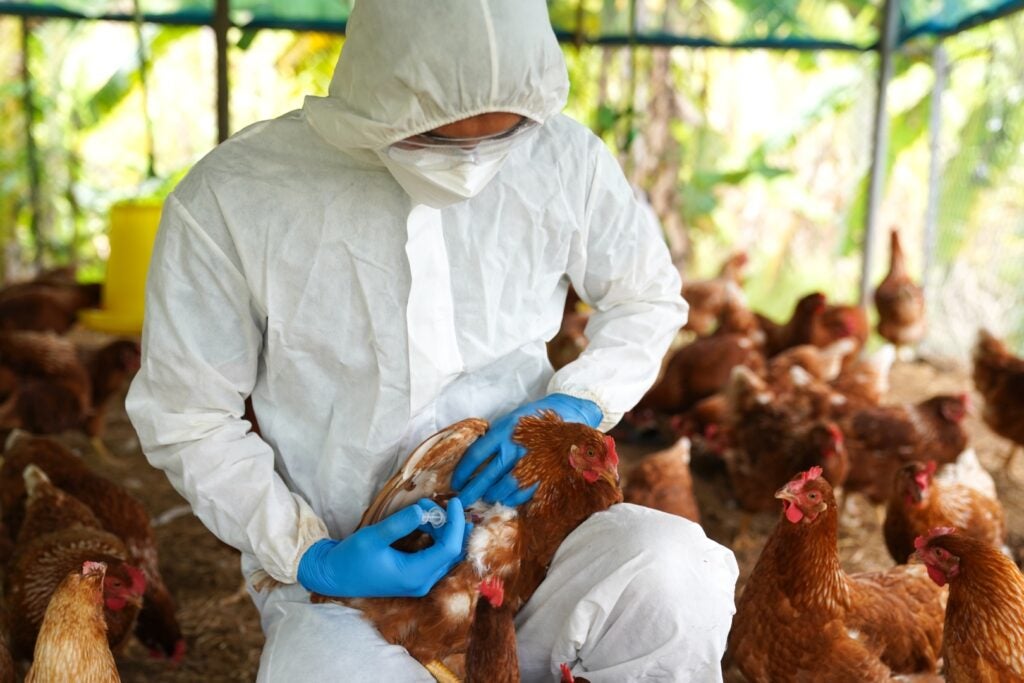
Trump Pledges $1 Billion to Tackle Bird Flu Crisis and Stabilize Egg Prices
In a significant announcement, former President Donald Trump has pledged a hefty $1 billion to combat the ongoing bird flu crisis that has drastically affected the poultry industry and, subsequently, egg prices across the United States. This bold move comes amid rising concerns from consumers and farmers alike about the implications of the bird flu epidemic on the agricultural sector and household budgets.
The Rise of Bird Flu and Its Impact
The avian influenza, commonly known as bird flu, has created turmoil within the poultry industry, leading to the culling of millions of birds to contain outbreaks. The impact of this crisis extends beyond the farms, affecting consumers directly through skyrocketing egg prices. In recent months, the price of eggs has surged, causing distress among families who rely on this staple for their nutrition and budget management.
According to the U.S. Department of Agriculture (USDA), the bird flu epidemic has been one of the most severe in recent history, with some areas reporting losses of up to 50% in their poultry populations. This, coupled with increased demand, has driven prices to record highs. Many consumers are feeling the pinch; the average price for a dozen eggs has nearly doubled in some regions.
Trump’s $1 Billion Investment
In recognition of the crisis’s severity, Trump’s $1 billion investment aims to provide immediate relief to the poultry industry and stabilize egg prices for consumers. This funding will focus on several key areas:
- Biosecurity Measures: Enhancing biosecurity protocols on farms to prevent further outbreaks.
- Research and Development: Investing in vaccines and treatments for avian influenza to mitigate future risks.
- Support for Farmers: Providing financial assistance to farmers affected by the culling of their flocks.
- Public Awareness Campaigns: Educating consumers about the situation and promoting responsible purchasing practices.
Trump’s intervention is seen as timely and necessary. The USDA has expressed optimism that with this funding, relief could be on the horizon, potentially stabilizing both prices and supply by the summer months. Such measures could help restore consumer confidence and ensure a steady supply of eggs in grocery stores.
Understanding the Broader Implications
The implications of Trump’s pledge extend far beyond just the poultry industry. The rise in egg prices affects various sectors, including food manufacturers, restaurants, and the overall economy. Eggs are a primary ingredient in numerous food products, and as prices soar, manufacturers may be forced to pass these costs onto consumers.
Moreover, the agricultural sector plays a vital role in the American economy. Poultry and egg production contributes significantly to employment, rural development, and the food supply chain. By stabilizing this sector, Trump’s investment could help bolster economic stability and ensure food security for millions of Americans.
Consumer Reactions and Market Trends
Consumers have expressed mixed feelings about the bird flu crisis and its consequences. While many are hopeful that the investment will lead to lower prices, others remain skeptical about the speed and effectiveness of such interventions. The volatility of agricultural markets often leads to uncertainty, and consumers are acutely aware of this.
In markets across the country, some retailers are already implementing strategies to manage rising prices. Promotions, bulk purchasing options, and price caps are being explored to maintain customer loyalty and trust. As the USDA and other agricultural bodies work to implement Trump’s funding initiatives, it will be crucial for retailers to communicate transparently with consumers about price changes and availability.
Future Considerations
Looking ahead, the focus must also shift toward long-term solutions to prevent similar crises in the future. This includes:
- Investment in Technology: Embracing innovative technologies for disease prevention and monitoring.
- Collaboration: Encouraging partnerships between government agencies, agricultural organizations, and private sectors to share best practices and resources.
- Policy Development: Crafting robust policies that support the poultry industry while ensuring consumer protection.
The bird flu crisis has underscored the vulnerability of global supply chains and the need for resilience in food production systems. As the USDA implements Trump’s investment plan, monitoring its effectiveness and making necessary adjustments will be essential in addressing both immediate needs and long-term sustainability.
Conclusion: A Path Forward
Trump’s pledge of $1 billion to tackle the bird flu crisis and stabilize egg prices is a significant step in addressing an urgent national issue. While immediate relief is critical, the focus must also be on developing sustainable practices that protect the agricultural sector from future threats. With the right measures in place, the USDA’s optimism for relief by summer could become a reality, helping to restore balance in the marketplace.
As consumers, farmers, and policymakers navigate these challenging times, collaboration and innovation will be key to ensuring a resilient agricultural industry. The impact of this crisis has been profound, but with strategic investments and a unified approach, the potential for recovery and growth remains strong.
See more CCTV News Daily