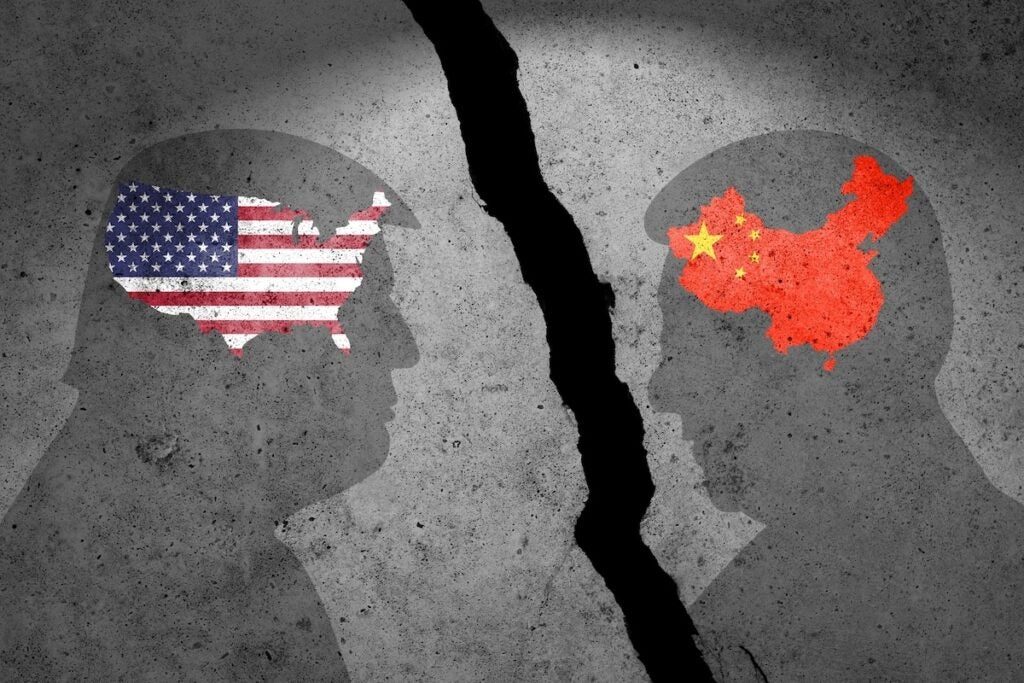
A Strategic Retreat? Larry Summers Weighs In on Trump’s China Tariff Decision
Former U.S. Treasury Secretary Larry Summers has characterized President Donald Trump’s recent easing of China tariffs as a potential “strategic retreat,” sparking debate among economists and policymakers. The move, announced last week, rolls back certain levies on Chinese imports amid improving market sentiment and ongoing trade negotiations. While markets rallied on the news, experts remain divided over whether this signals a lasting de-escalation or a tactical pause in the protracted trade war.
Market Reactions and Immediate Impacts
Within hours of the White House announcement, the S&P 500 climbed 1.2%, with industrial and technology stocks leading gains. The U.S. Trade Representative’s office confirmed tariff reductions on approximately $112 billion worth of Chinese goods, particularly consumer electronics and automotive parts. According to Bloomberg data, this marks the first significant tariff relief since the trade war began in 2018.
“What we’re seeing isn’t surrender, but recalibration,” Summers remarked during a Brookings Institution panel. “The administration appears to be prioritizing economic stability ahead of election season while maintaining leverage for broader negotiations.”
Key immediate effects include:
- A 2.3% drop in container shipping costs along Pacific routes
- Futures contracts for Chinese steel and aluminum declining 4.1%
- Renewed interest in cross-border tech partnerships
The Geopolitical Calculus Behind the Move
Analysts suggest multiple factors influenced the decision. China’s recent commitments to purchase $200 billion in U.S. agricultural products through 2025 provided political cover for concessions. Meanwhile, Treasury yields stabilizing near 4.3% reduced pressure on import-driven inflation.
Dr. Mei Xinyu, a commerce ministry researcher in Beijing, offered cautious optimism: “This demonstrates both sides recognize the mutual destructiveness of maximum pressure tactics. However, core issues like semiconductor restrictions remain unresolved.”
Not all reactions were positive. The AFL-CIO released a statement condemning the move as “premature,” citing continued Chinese subsidies to state-owned enterprises that undercut American manufacturers. Internal White House communications obtained by Reuters reveal similar divisions, with trade advisor Robert Lighthizer reportedly advocating for maintaining higher tariffs.
Economic Data Reveals Mixed Fundamentals
Recent indicators paint a complex picture:
- U.S. goods trade deficit with China narrowed to $22.8 billion in May (down 12% YoY)
- Chinese FDI in Mexico surged 140% in Q2 2024, suggesting supply chain rerouting continues
- American farm exports to China reached $18.7 billion year-to-date, still below 2017 levels
The Peterson Institute estimates the tariff reductions could save U.S. consumers $8.3 billion annually, particularly on mid-range electronics and seasonal goods. However, their analysis notes 72% of original Trump-era tariffs remain in effect, including 25% levies on $250 billion of strategic imports.
What This Means for Future Trade Relations
Most observers agree the move creates space for renewed negotiations rather than representing a comprehensive resolution. The Biden campaign quickly framed the decision as validation of their own engagement strategy, while Trump allies emphasized it as proof of “negotiating from strength.”
Looking ahead, three critical benchmarks will determine whether this marks a turning point:
- China’s compliance with Phase One purchase agreements through 2024
- Progress on intellectual property protections at the July WTO ministerial meeting
- Post-election continuity regardless of November’s outcome
As Summers concluded: “In trade wars as in chess, sometimes you sacrifice a pawn to protect the queen. The question is whether both players are finally learning the same game.” For businesses navigating these changes, consulting updated Harmonized Tariff Schedule filings with U.S. Customs remains essential.
Stay informed on evolving trade policies by subscribing to our daily policy briefs.
See more CCTV News Daily