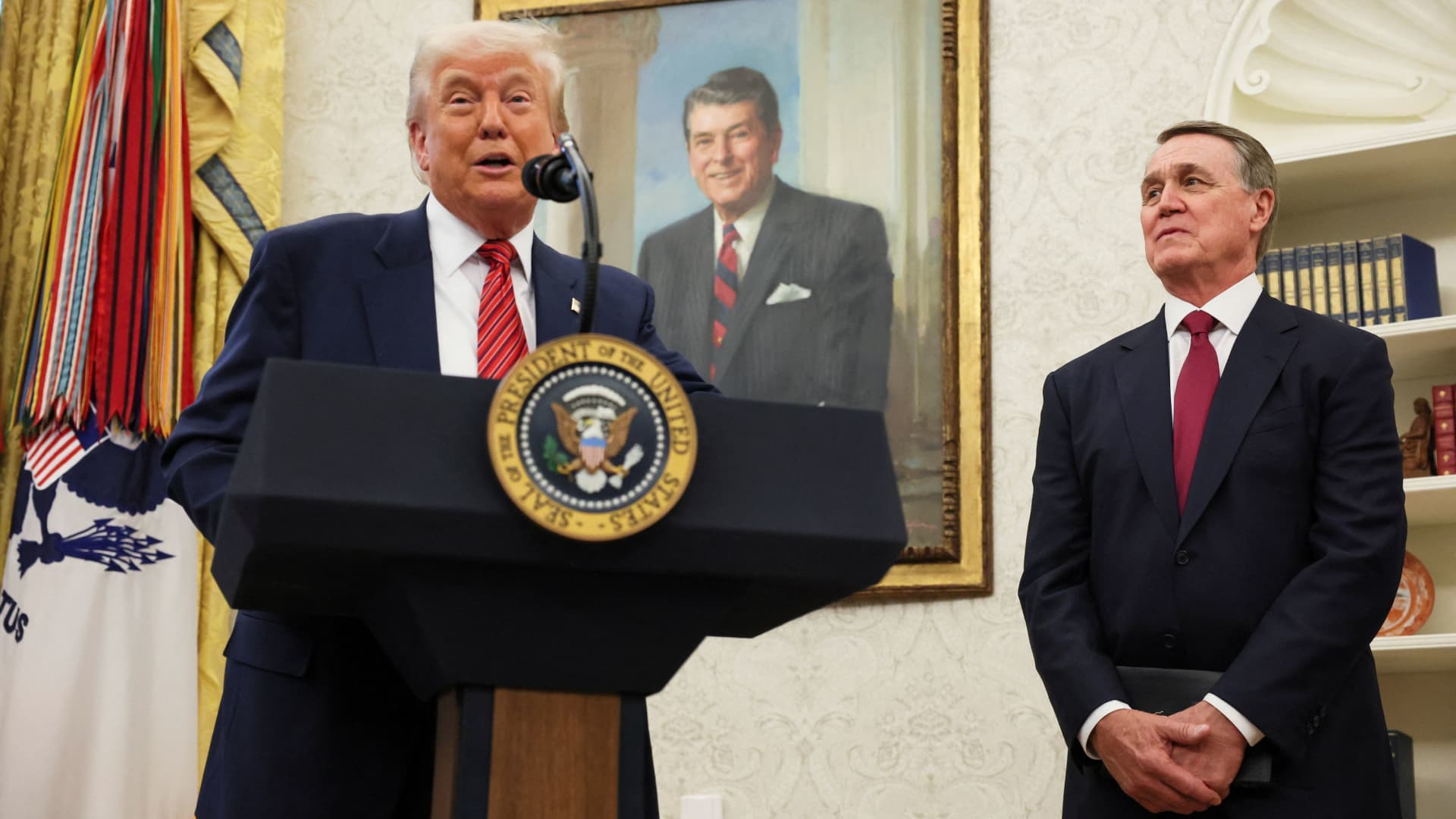
Trump’s Stance on China Tariffs: A High-Stakes Gamble Before Trade Talks
As pivotal U.S.-China trade negotiations loom, former President Donald Trump has doubled down on his aggressive tariff policy, vowing to maintain or increase import taxes on Chinese goods if re-elected. This hardline position, announced during campaign rallies this month, risks escalating tensions between the world’s two largest economies while attempting to protect American industries. Economists warn the strategy could trigger retaliatory measures, disrupt global supply chains, and potentially reignite inflation ahead of critical 2024 trade discussions.
The Economic Impact of Sustained Tariffs
The U.S. currently imposes an average 19.3% tariff on Chinese imports, affecting approximately $350 billion worth of goods annually. Trump’s proposed expansion could raise rates to 60% on certain products, according to recent campaign statements. A 2023 Peterson Institute study estimates this would:
- Cost the average U.S. household $2,300 annually
- Reduce GDP growth by 0.5% in the first year
- Potentially eliminate 732,000 American jobs
“This isn’t just economic policy—it’s geopolitical brinkmanship,” says Dr. Linda Jacobson, senior fellow at the Center for Strategic Trade Studies. “While tariffs did initially bring some manufacturing back to the U.S., the long-term costs may outweigh the benefits as China develops alternative markets.”
Strategic Calculations Behind the Trade Policy
Trump’s tariff stance appears designed to achieve multiple objectives simultaneously:
- Leverage in negotiations: Creating pressure points before talks resume in Q2 2024
- Political messaging: Appealing to manufacturing-sector voters in swing states
- National security: Reducing dependence on Chinese tech and materials
However, Chinese officials have signaled they won’t negotiate under threat. “The U.S. must choose between confrontation and mutual benefit,” stated Commerce Ministry spokesperson Wang Wenbin last week. “We have diversified our trade partnerships and can withstand pressure.”
Global Supply Chain Repercussions
The tariff policy has already accelerated supply chain restructuring across industries:
- Electronics manufacturers shifting production to Vietnam and India
- Automakers establishing battery plants in Mexico
- Agricultural exporters developing new markets in Southeast Asia
Yet complete decoupling remains unrealistic. “Even after five years of tariffs, U.S.-China trade reached $690 billion in 2022—only 5% below 2018 peaks,” notes trade analyst Mark Russo. “These economies are like conjoined twins—separation brings tremendous pain to both sides.”
Political and Diplomatic Fallout
The tariff strategy has created unusual alliances and divisions:
- Support: Rust Belt manufacturers, national security hawks
- Opposition: Retail associations, agricultural exporters, free-market conservatives
Senator Marco Rubio (R-FL) recently argued: “Strategic industries need protection from China’s predatory practices.” Conversely, Walmart CEO Doug McMillon warned shareholders that “consumers ultimately pay these taxes through higher prices.”
What Comes Next in U.S.-China Trade Relations
As negotiations approach, several scenarios could unfold:
- Status quo: Tariffs remain with minor concessions
- Escalation: New restrictions on technology and investment
- Breakthrough: Phased reductions tied to structural reforms
Most analysts anticipate prolonged stalemate. “Neither side can afford to appear weak domestically,” observes former USTR negotiator Carla Hills. “The best outcome might be managing tensions rather than resolving them.”
The coming months will test whether Trump’s high-stakes gamble pressures China into concessions or backfires by accelerating economic fragmentation. Businesses should prepare contingency plans for either outcome, while voters must weigh the policy’s short-term costs against its long-term strategic aims.
For ongoing coverage of U.S.-China trade developments, subscribe to our policy briefing newsletter.
See more CCTV News Daily