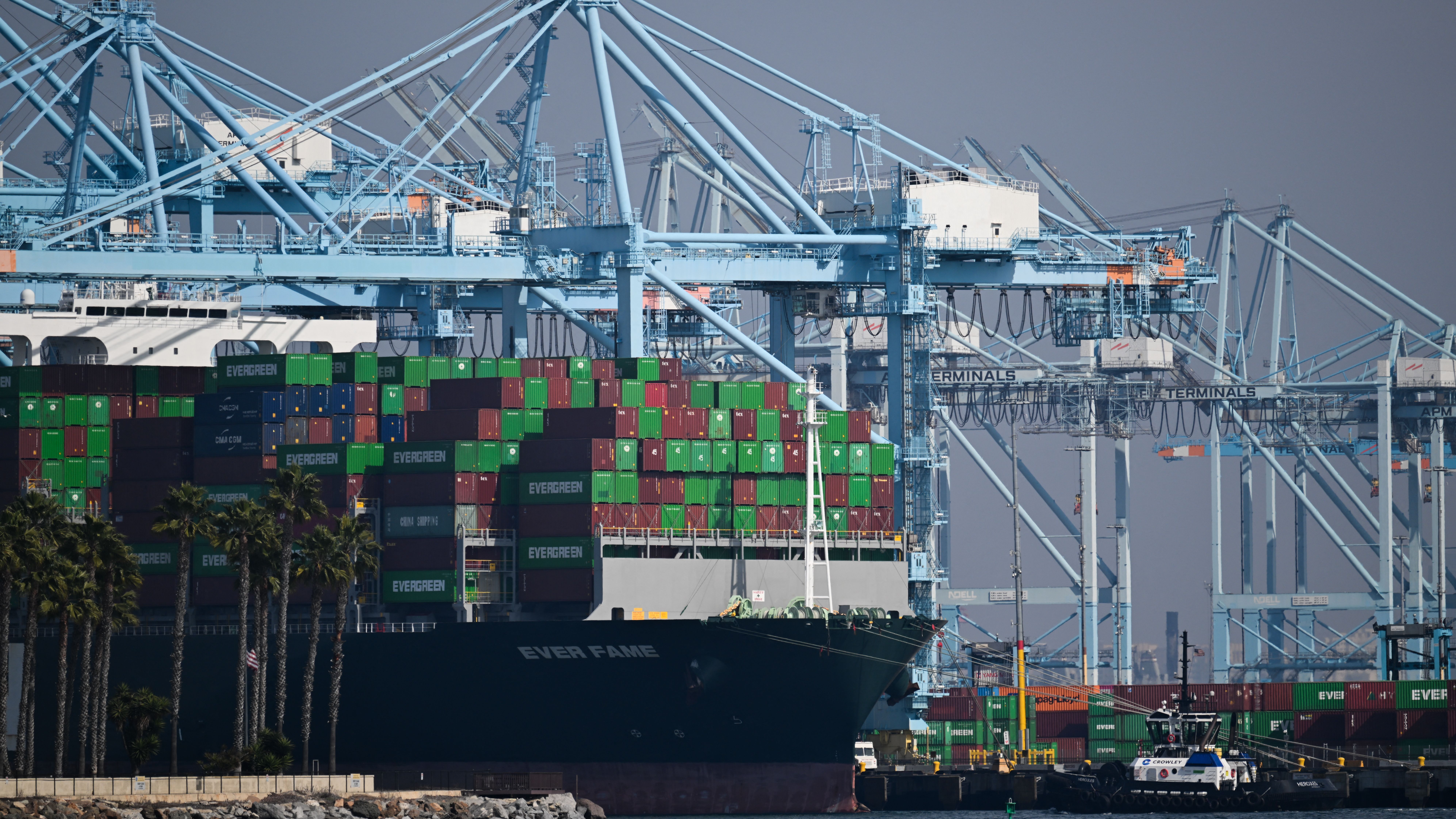
Trump’s Closed-Economy Gamble: Understanding the Implications
As the global economy faces unprecedented challenges, former President Donald Trump’s advocacy for a closed economy raises eyebrows. This strategy, which focuses on isolationist economic policies, has sparked debate among analysts and economists alike. The question arises: does this gamble truly align with current market realities? With mounting economic pressures, Trump’s approach prompts critical examination of its viability and potential long-term effects.
The Rationale Behind a Closed Economy
Trump’s closed-economy strategy stems from a belief that reducing reliance on foreign imports and prioritizing domestic production can bolster the United States’ economic resilience. Proponents argue that such a policy could lead to job creation, increased wages, and greater national security by safeguarding industries from international competition. The idea is compelling, especially in light of recent disruptions caused by global supply chain issues and geopolitical tensions.
However, this perspective can be overly simplistic. While the intention to create jobs and secure the economy is laudable, the reality of today’s interconnected markets cannot be ignored. Globalization has woven a complex web of interdependence; thus, isolating the economy may come with significant costs.
Market Realities: The Risks of Isolation
In a world where markets are increasingly interconnected, Trump’s closed-economy gamble raises critical questions about its sustainability. Key risks include:
- Inflationary Pressures: Reducing imports can lead to higher prices for goods that are not produced domestically. This inflation could disproportionately affect lower-income households, exacerbating economic inequality.
- Supply Chain Disruptions: A closed economy may lead to a lack of diversity in supply sources, making industries vulnerable to domestic disruptions like natural disasters or labor strikes.
- Retaliation from Trade Partners: Implementing protectionist policies could incite retaliatory measures from other countries, ultimately harming American exporters and leading to a trade war.
- Loss of Innovation: Global competition drives innovation. A closed economy might stifle creativity and technological advancement, leaving the U.S. lagging behind.
Evaluating the Economic Landscape
To assess the viability of Trump’s closed-economy approach, it’s essential to consider the broader economic landscape. As of late 2023, the U.S. economy has been grappling with high inflation rates, interest rate hikes from the Federal Reserve, and ongoing labor market challenges. These factors contribute to an environment where consumers and businesses are already feeling the pinch.
In this context, a closed economy might not be the best solution. Instead, fostering a balanced trade policy that encourages domestic production while still engaging with international markets could prove to be more beneficial. Here are some potential strategies:
- Encouraging Domestic Manufacturing: Instead of completely shutting out imports, policies could incentivize local production through tax breaks and grants.
- Investing in Technology: Supporting innovation in key sectors can ensure that American industries remain competitive on a global scale.
- Strengthening Trade Alliances: Building strategic partnerships can enhance market access for U.S. products while ensuring that American businesses remain resilient.
Long-Term Effects of a Closed Economy
While short-term gains from a closed-economy approach may seem attractive, the long-term implications could be detrimental. Historical precedents suggest that isolationist policies often lead to economic stagnation. For instance, during the Great Depression, protectionist measures like the Smoot-Hawley Tariff exacerbated economic woes rather than alleviating them.
Moreover, as technology continues to evolve, the nature of work and production is changing. Many industries are shifting towards automation and digitalization, which require a global talent pool and supply chain flexibility. A closed economy could hinder this transformation and prevent the U.S. from adapting to future market demands.
The Need for a Balanced Approach
Given the complexities of the modern economy, a balanced approach appears to be the most prudent path forward. Rather than opting for a fully closed economy, Trump’s strategy could evolve to embrace a model that combines domestic growth with international cooperation.
Such an approach would involve:
- Fostering Resilience: Building a robust domestic economy while remaining open to international trade can help mitigate risks associated with global economic fluctuations.
- Enhancing Workforce Skills: Investing in education and training programs can prepare workers for jobs in emerging sectors, ensuring that the U.S. remains competitive.
- Promoting Sustainability: A focus on environmentally sustainable practices can drive innovation and position the U.S. as a leader in green technologies globally.
Trump’s closed-economy gamble presents a provocative perspective on addressing economic challenges. However, as analysts dissect the implications of such a strategy, it becomes evident that a nuanced approach is necessary. While the desire to protect American jobs and industries is commendable, the interconnected nature of today’s global economy cannot be overlooked.
As we move forward, embracing a model that encourages robust domestic growth while sustaining international trade relationships may provide a more sustainable path. By doing so, the U.S. can navigate economic complexities while fostering innovation and resilience in an ever-evolving market landscape.
See more CCTV News Daily