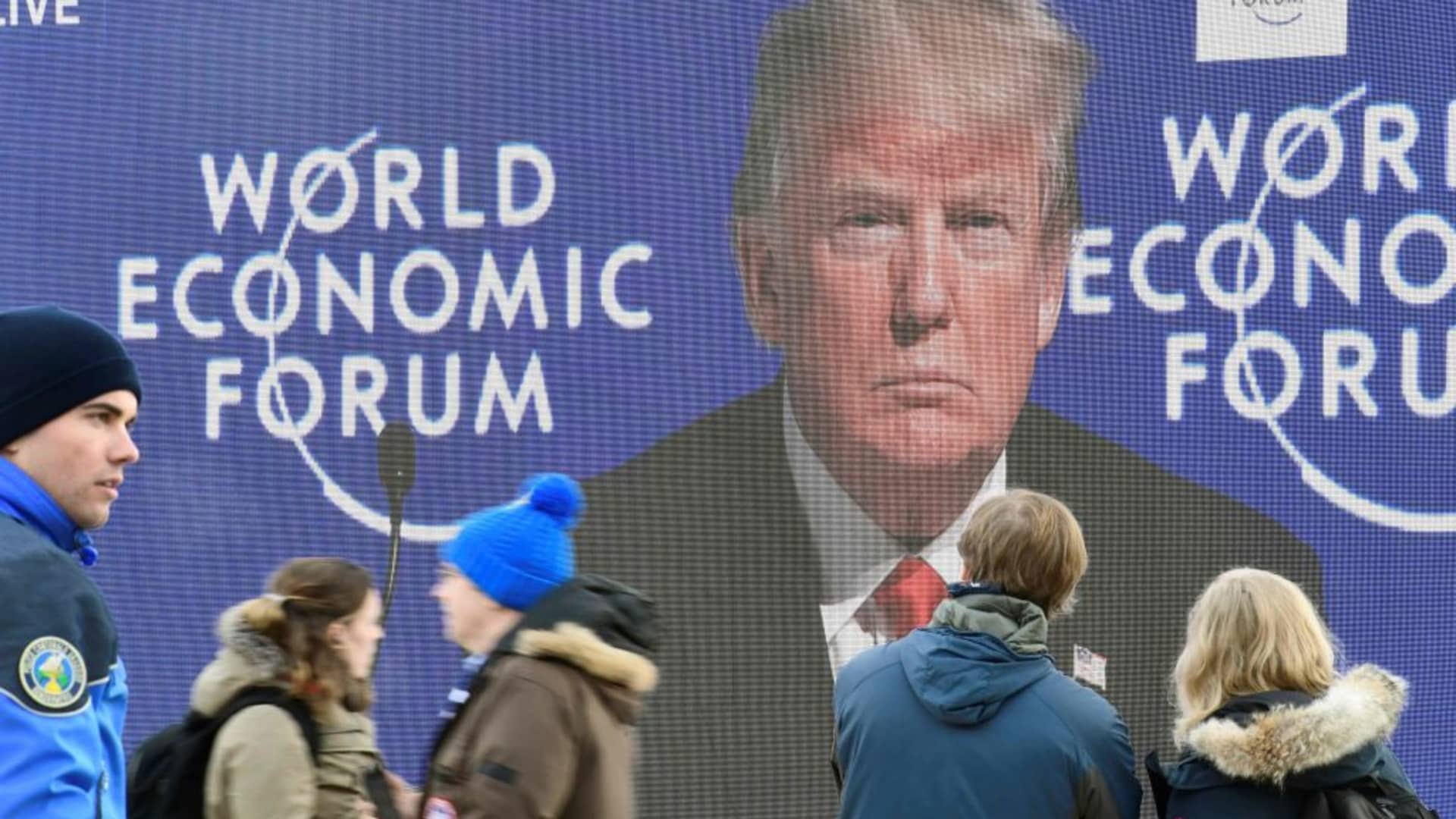
Trump’s Davos Address: Unpacking Tariffs and Diversity Initiatives
As world leaders converge at the annual World Economic Forum in Davos, Switzerland, the spotlight turns to former President Donald Trump, whose address has sparked renewed interest in two pivotal topics: tariffs and diversity, equity, and inclusion (DEI) initiatives. Trump’s insights on these subjects could not only reshape future economic policies but also provoke critical dialogue on global trade dynamics. This article delves into the implications of his speech, exploring the intersection of tariffs and DEI initiatives within the broader context of international relations and economic strategy.
The Role of Tariffs in Global Trade
Tariffs, essentially taxes imposed on imported goods, have been a cornerstone of Trump’s economic policy during his presidency and remain a hot topic in discussions about international trade. In his Davos address, Trump reiterated his belief that tariffs are essential for protecting domestic industries and ensuring fair competition. He argued that many countries engage in unfair trade practices, which undermine American manufacturing and job creation.
Impact on American Industry
Trump’s administration previously enacted tariffs on a range of products, particularly from China, which he claimed were necessary to level the playing field for American workers. He emphasized that these tariffs led to a resurgence in American manufacturing, with companies bringing jobs back to the U.S.
- Job Creation: Supporters of Trump’s tariffs argue that they have led to job growth in sectors like steel and aluminum.
- Investment in Domestic Production: Incentives for companies to invest in U.S. facilities were highlighted as a benefit of tariff implementation.
- Trade Deficits: Trump maintained that tariffs would help reduce the trade deficit, promoting a healthier economy.
However, critics argue that tariffs can lead to higher prices for consumers and strained relations with trade partners. They point to the retaliatory tariffs implemented by other countries as a significant downside to Trump’s aggressive trade policies. This ongoing debate underscores the complexity of tariffs as a tool for economic policy.
Global Reactions to Trump’s Tariff Policies
The international response to Trump’s tariffs has been mixed. While some nations have sought to negotiate trade deals that mitigate the impact of U.S. tariffs, others have implemented their own tariffs in retaliation. This tit-for-tat approach has created a complicated landscape for global trade.
Diversity, Equity, and Inclusion Initiatives
In addition to tariffs, Trump’s address also touched upon the importance of diversity, equity, and inclusion (DEI) initiatives in the workplace. This topic has gained significant traction in recent years, with many companies and organizations striving to create more inclusive environments. Trump’s perspective on DEI initiatives reflects his administration’s broader approach to social issues, emphasizing a merit-based system rather than quotas or mandated diversity.
Meritocracy vs. Quotas
Trump’s stance is that promoting individuals based on merit rather than demographic factors is essential for fostering a competitive workforce. He expressed concern that DEI initiatives, when taken to extremes, could lead to reverse discrimination, undermining the very principles of fairness and opportunity that they aim to promote.
- Support for Merit-Based Hiring: Trump’s address highlighted the need for hiring practices that prioritize qualifications and skills over identity factors.
- Critique of Tokenism: He cautioned against practices that might be perceived as tokenism, arguing that they can harm both individuals and organizations.
- Value of Diverse Perspectives: While advocating for meritocracy, Trump acknowledged that diverse perspectives can enhance innovation and problem-solving.
Impact on Corporate Strategies
Trump’s remarks on DEI initiatives could influence corporate strategies moving forward. Many companies may reassess their diversity programs to align with a more meritocratic approach. This could lead to a shift in how organizations define success and measure the effectiveness of their DEI efforts.
The Intersection of Tariffs and DEI Initiatives
At first glance, tariffs and DEI initiatives may seem unrelated, but they intersect in crucial ways. Economic policies like tariffs can impact the workforce and, consequently, the implementation of DEI initiatives. For instance, if tariffs lead to job growth in certain sectors, the opportunities created must also reflect a commitment to diversity and inclusion.
Moreover, as companies navigate the challenges posed by tariffs, they must also consider how to maintain a diverse workforce. Trump’s address at Davos could serve as a catalyst for discussions on how economic policies can harmonize with social initiatives, ensuring that growth benefits all segments of society.
Future Implications for Global Trade and Social Policy
The implications of Trump’s address are vast, potentially shaping future policies in both trade and social justice realms. Policymakers must grapple with the balance between protecting domestic industries and promoting fair practices globally, all while fostering an inclusive environment that values diversity.
Conclusion
As world leaders reflect on Trump’s insights from his Davos address, the dialogue surrounding tariffs and DEI initiatives will undoubtedly evolve. The former president’s viewpoints challenge existing paradigms and provoke critical thought regarding the future of economic policies and social equity. In a rapidly changing global landscape, understanding the intricacies of these issues will be essential for crafting effective strategies that promote both economic growth and an inclusive society.
In summary, Trump’s discourse at Davos serves as a reminder of the interconnectedness of global trade and social initiatives. By unpacking tariffs and diversity, equity, and inclusion initiatives, he has opened the floor for discussions that could significantly influence future policymaking and corporate strategy. As we move forward, the challenge lies in finding a harmonious balance that fosters economic prosperity while ensuring that inclusivity remains at the forefront of our collective efforts.
See more CCTV News Daily