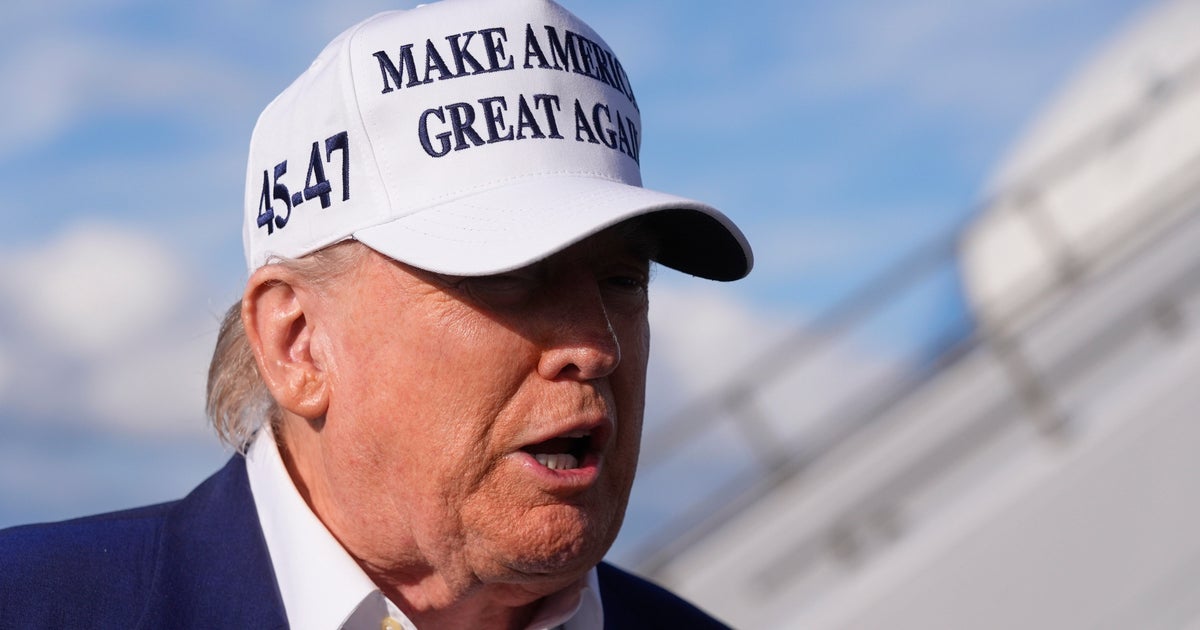
Trump’s Decision to Delay Tariffs: An Overview
In a surprising announcement, President Donald Trump revealed a delay on the proposed 50% tariff on imports from the European Union, pushing the implementation date to July. This unexpected move has sparked discussions regarding the implications for global trade and the underlying motivations behind the administration’s shifting trade strategies.
Understanding the Context
The announcement comes amidst ongoing trade tensions between the United States and various global partners, particularly the EU. Tariffs have been a central component of Trump’s trade policy, designed to protect American industries by making foreign goods more expensive. However, the decision to postpone these tariffs raises questions about the administration’s overall strategy and its potential repercussions on international relations and economic stability.
The Economic Implications
The delay in tariffs could be seen as a strategic move aimed at mitigating potential backlash from American consumers and businesses. A 50% tariff on European goods would likely lead to increased prices for everyday items, from automobiles to food products. By postponing the tariffs, the Trump administration may be seeking to avoid exacerbating inflationary pressures in an already fragile economy.
- Consumer Impact: The delay may prevent immediate price hikes on consumer goods.
- Business Sentiment: Businesses that rely on European imports may view this decision as a reprieve, allowing them to plan without the immediate threat of increased costs.
- Long-term Trade Relations: This move could signal a willingness to negotiate and maintain open lines of communication with EU leaders.
Political Motivations Behind the Delay
Political analysts suggest that the delay may be influenced by the upcoming election cycle, where economic stability and consumer satisfaction are paramount. A sudden increase in prices due to tariffs could alienate voters. Moreover, with the economy showing signs of recovery following the pandemic, maintaining a positive economic outlook may be crucial for the administration.
Global Trade Dynamics
The delay also sends ripples through the global trade landscape. The EU has been preparing for the impact of these tariffs, and the shift in timeline could alter the strategies of both American and European companies. Some experts believe that this delay might lead to a more collaborative approach to trade negotiations, with both sides potentially seeking to resolve long-standing issues without resorting to punitive measures.
Potential Outcomes of the Delay
While the immediate effects of the tariff delay are still unfolding, several potential outcomes can be anticipated:
- Increased Negotiation Opportunities: The delay could open avenues for dialogue between the U.S. and the EU, fostering a more cooperative trade environment.
- Market Reactions: Stock markets may respond positively to the news, with investors welcoming the reduced uncertainty around tariffs.
- Future Trade Policies: The administration may reassess its broader trade policies, considering the implications of tariffs on domestic and international markets.
Looking Ahead
As July approaches, stakeholders from various sectors will be watching closely for any developments regarding the tariff situation. The decision to delay may serve as a litmus test for Trump’s trade strategy moving forward, particularly in the context of upcoming international summits and negotiations.
Expert Opinions
Economic experts have weighed in on the implications of this tariff delay. According to Dr. Emily Carter, an economist at the University of Chicago, “This delay could signify a broader strategy of negotiation rather than confrontation, which may benefit both U.S. and European economies in the long run.” Similarly, trade analyst Mark Thompson notes, “The Trump administration’s approach to tariffs has always been unpredictable. This latest move highlights the complexities of international trade relationships and the importance of dialogue over escalation.”
Conclusion
The decision to delay the 50% tariff on EU imports reflects a nuanced approach to trade policy, balancing economic pressures with political realities. As we move closer to the new deadline, the global community will be keenly observing how this decision shapes future trade relations and impacts the broader economic landscape.
Call to Action: As consumers and global citizens, staying informed about trade policies is crucial. Understanding the implications of these decisions can empower us to make informed choices and advocate for fair trade practices. Engage in discussions, share your opinions, and keep abreast of developments in international trade!
See more CCTV News Daily