Trump Assures Nation of Long-Term Economic Stability Amid Recession Concerns
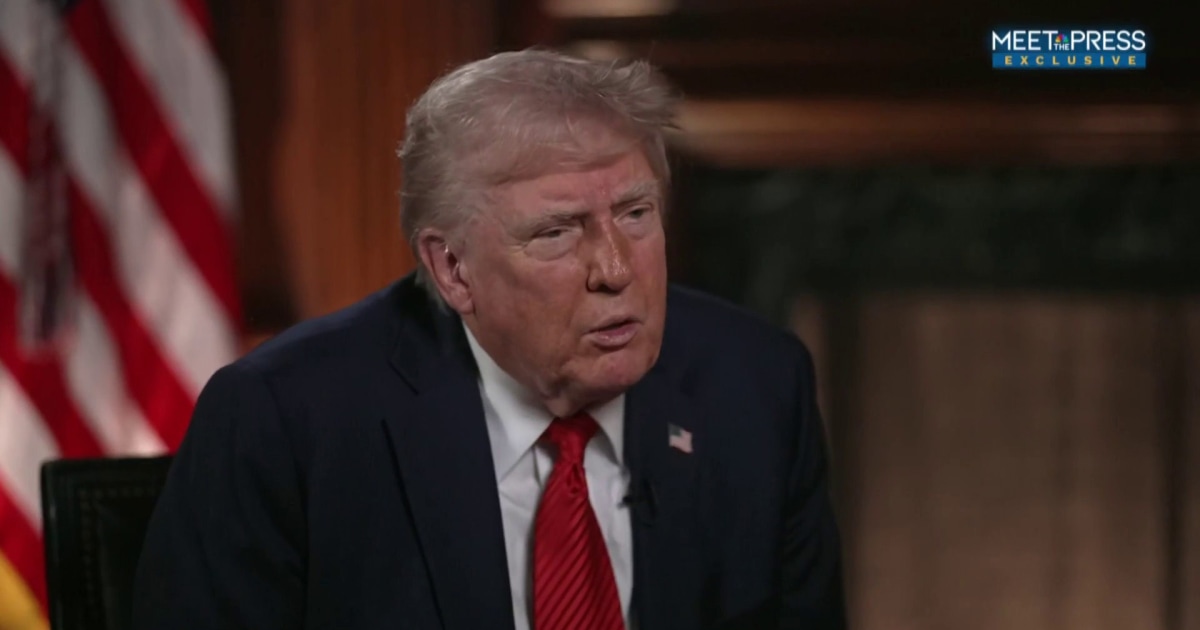
Former President Donald Trump sought to calm mounting recession fears during a press briefing on Thursday, emphasizing his confidence in the U.S. economy’s long-term resilience. Speaking from his Mar-a-Lago estate, Trump pointed to historical economic rebounds while acknowledging current challenges like inflation and slowing GDP growth. His remarks follow weeks of volatile market performance and heated debates among policymakers about America’s financial trajectory.
Economic Indicators Spark Mixed Reactions
Recent data from the Commerce Department shows the U.S. economy grew at a modest 1.6% annual rate in Q1 2024 – the slowest pace in nearly two years. Meanwhile, the Consumer Price Index rose 3.5% year-over-year through March, exceeding economist projections. These indicators have created a perfect storm of concern among:
- Small business owners facing higher operating costs
- Investors rebalancing portfolios toward defensive assets
- Policymakers debating further intervention measures
“While we’re seeing some warning signs, the fundamentals remain strong,” Trump stated, pointing to unemployment holding steady at 3.8% and consistent consumer spending. “This administration built an economic fortress that can weather temporary storms.”
Expert Perspectives on Economic Outlook
Economists remain divided on recession probabilities. Dr. Alicia Monroe, Chief Economist at the Brookings Institution, suggests caution: “When you combine sticky inflation with slowing growth, it creates policy dilemmas. The Fed’s next moves will be critical in determining whether we achieve a soft landing.”
Conversely, free-market proponents echo Trump’s optimism. “The private sector has shown remarkable adaptability,” notes financial analyst Mark Reynolds. “With proper tax policies and regulatory relief, we could see productivity gains offset current headwinds.”
Recent Federal Reserve surveys reveal:
- 72% of businesses report maintaining or increasing capital expenditures
- Consumer confidence indexes remain 15% above 2022 lows
- Manufacturing activity expanded in 8 of last 12 months
Historical Precedents and Policy Considerations
Trump drew parallels to the 2018-2019 economic cycle, when similar concerns preceded sustained expansion. “We’ve been here before,” he remarked, citing his administration’s tax reforms and deregulation as catalysts for eventual growth.
Current White House officials have taken a different approach, emphasizing:
- Targeted infrastructure investments
- Clean energy subsidies
- Student debt relief programs
These policy differences highlight the philosophical divide in economic strategy as the 2024 election approaches. “The debate isn’t just about current conditions,” observes political scientist Elaine Chen. “It’s fundamentally about which vision Americans trust more for long-term prosperity.”
Market Reactions and Sector-Specific Impacts
Financial markets have responded to economic uncertainty with increased volatility. The S&P 500 has seen 12 trading days with 1%+ swings this quarter compared to just 5 during the same period last year. Sector performance shows clear divergence:
- Outperformers: Energy (+8% YTD), Utilities (+6%)
- Underperformers: Consumer Discretionary (-3%), Real Estate (-5%)
“Investors are playing defense while waiting for clearer signals,” explains wealth manager Sarah Goldstein. “The bond market’s inverted yield curve still suggests caution, but corporate earnings have largely held up.”
Long-Term Economic Stability: Path Forward
Most analysts agree that several factors will determine America’s economic trajectory:
- Federal Reserve’s ability to tame inflation without over-tightening
- Productivity growth from AI and automation adoption
- Global energy and supply chain stability
- Resolution of ongoing geopolitical tensions
Trump emphasized that his policy blueprint – including extended tax cuts and expanded domestic energy production – would “unleash the next American renaissance.” Critics counter that such measures could exacerbate deficits without addressing structural challenges.
What This Means for American Households
For ordinary citizens, the economic debate translates to tangible concerns:
- Mortgage rates hovering near 7%
- Average credit card balances up 18% since 2021
- Grocery prices remaining 25% above pre-pandemic levels
“Families need stability more than political promises,” says consumer advocate David Park. “Regardless of who’s right about the big picture, people are making hard choices every week at the checkout line.”
As the economic discussion evolves, voters will likely weigh these daily realities against competing visions for recovery. With key economic reports due in coming weeks and the Fed’s June meeting looming, all sides agree the next few months could prove pivotal for determining whether current concerns represent a temporary slowdown or the precursor to more severe challenges.
For ongoing analysis of economic trends and policy impacts, subscribe to our newsletter for weekly expert insights and data breakdowns.
See more CCTV News Daily