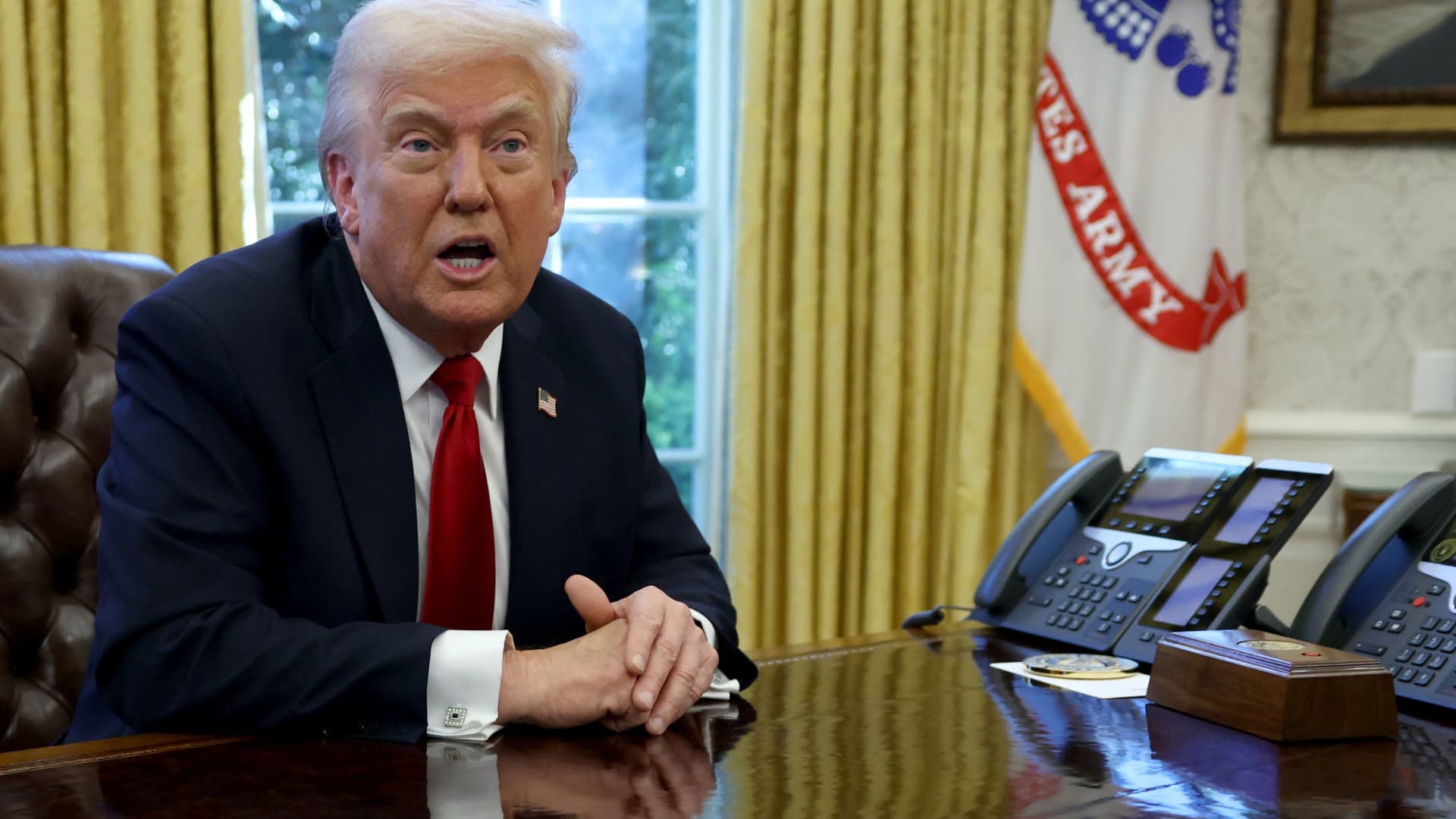
Unpacking Trump’s Claims: Did Elon Musk Weigh in on Auto Tariffs Amid DOGE Influence?
In recent discussions around the automotive industry and international trade, former President Donald Trump made headlines with a bold assertion: Tesla CEO Elon Musk did not offer advice on auto tariffs. This statement piqued interest, especially given Musk’s significant influence in both the automotive sector and the cryptocurrency world, particularly with Dogecoin (DOGE). As we unpack Trump’s claims, it is essential to explore the broader implications of this intersection between technology, policy, and economics.
Understanding the Context of Auto Tariffs
Auto tariffs have long been a contentious issue in U.S. trade policy. These tariffs can significantly impact the cost of vehicles, influencing both manufacturers and consumers. Trump’s administration was known for its protectionist trade policies, which included imposing tariffs on imported steel and aluminum, affecting the automotive industry directly. The intention was to bolster domestic production but often at the cost of higher prices for consumers.
With the Biden administration taking a different approach, the discussion around tariffs remains relevant. As electric vehicles (EVs) become more prevalent, the need for comprehensive policies that support innovation while protecting American jobs has never been more critical. Here’s where Musk’s role comes into play.
Elon Musk’s Influence on the Automotive Industry
Elon Musk, known for his visionary approach, has transformed the automotive landscape through Tesla. Under his leadership, Tesla has not only popularized electric vehicles but has also prompted traditional auto manufacturers to pivot towards EV production. Musk’s influence extends beyond just car manufacturing; he has also been a vocal advocate for sustainable energy and innovation.
One of the pivotal questions that arise from Trump’s claims is whether Musk’s insights could have provided valuable guidance on tariffs, considering his extensive experience in the industry. However, Trump’s assertion suggests a disconnect between the realm of high-stakes technology and policy-making.
The Cryptocurrency Connection: Dogecoin’s Impact
Another layer to this narrative is Musk’s involvement with Dogecoin, a cryptocurrency that started as a meme but has garnered a massive following. Musk’s tweets often send the price of DOGE soaring or plummeting, showcasing his substantial influence over the crypto market. This phenomenon raises questions about the role of digital currencies in the broader economy and how they might intersect with traditional industries like automotive manufacturing.
While Musk’s participation in the cryptocurrency space may not directly relate to auto tariffs, it highlights a critical aspect of contemporary economic discussions. As digital currencies gain prominence, their potential effects on traditional markets could lead to new considerations for policymakers.
Examining the Claims: What Does it Mean?
Trump’s statement that Musk did not weigh in on auto tariffs is intriguing. It may reflect a few underlying realities:
- Separation of Influence: Musk may be more focused on innovation and market trends than on the intricate details of trade policy.
- Political Dynamics: The relationship between Musk and Trump has been complex, marked by mutual admiration but also criticism, which could affect how their interactions are perceived publicly.
- Economic Priorities: As the automotive landscape shifts, the relevance of tariffs may diminish in favor of policies that encourage technological advancement and sustainability.
Potential Implications for the Future
The intersection of Musk’s influence and Trump’s statements invites speculation about future policy directions. Here are some potential implications:
- Policy Innovation: As electric vehicles become mainstream, there may be a push for tariffs that favor EV production over traditional vehicles. This could reshape the market and necessitate new regulations.
- Cryptocurrency Regulation: The rise of digital currencies could prompt lawmakers to consider how cryptocurrencies interact with traditional industries, including automotive manufacturing.
- Global Trade Relations: If tariffs on auto imports are maintained or adjusted, it could impact international relations, particularly with countries that are leaders in EV technology.
The Broader Economic Landscape
Understanding the broader economic landscape is essential when discussing the implications of Trump’s claims. As technology continues to evolve, so do the policies that govern it. The automotive industry, once the backbone of American manufacturing, is undergoing a transformation driven by electric vehicles and automation.
Additionally, the rise of cryptocurrencies like Dogecoin represents a shift in how value is perceived and exchanged. This shift could lead to new economic paradigms, where traditional methods of trade and finance are challenged by innovative technologies.
Conclusion: Bridging the Gap Between Tech and Policy
In conclusion, Trump’s assertion that Elon Musk did not advise on auto tariffs opens up a dialogue on the relationship between technology and policy in today’s economy. While Musk’s expertise in the automotive sector and his influence in the cryptocurrency arena are undeniable, the complexities of trade policy may require a different set of insights.
As we navigate this evolving landscape, it’s crucial for policymakers to engage with industry leaders like Musk to craft regulations that foster innovation while ensuring economic stability. The future of the automotive industry, shaped by electric vehicles and digital currencies, will depend on how well we can bridge the gap between technology and policy.
Ultimately, the conversation around auto tariffs and Musk’s influence is just one piece of a much larger puzzle. As we move forward, the integration of technology and policy will undoubtedly play a pivotal role in shaping the economic landscape for years to come.
See more CCTV News Daily