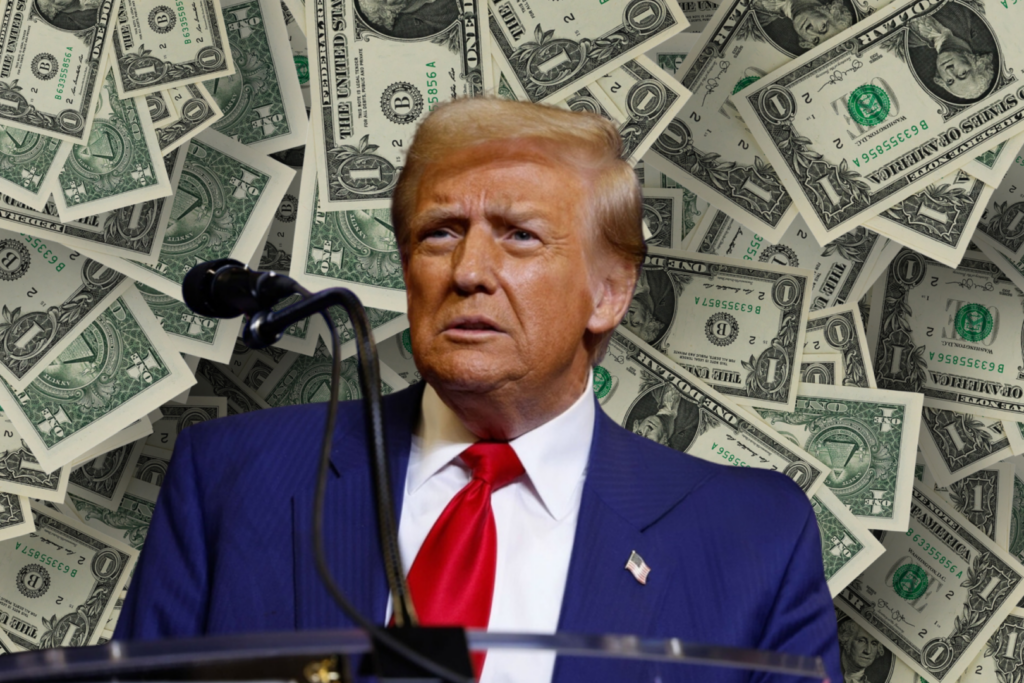
How Trump and Elon Musk’s Cost-Cutting Strategies Miss the Mark on U.S. Spending
In recent years, the conversation around U.S. government spending has become increasingly urgent. With national debt soaring and fiscal responsibility at the forefront of political discourse, high-profile figures like Donald Trump and Elon Musk have proposed various cost-cutting strategies aimed at addressing this issue. However, a recent report indicates that these strategies may miss the mark, failing to provide comprehensive solutions to the complex problem of U.S. spending. This article explores the shortcomings of their approaches, the implications for fiscal policy, and alternative strategies that might yield better results.
Understanding the Current Landscape of U.S. Spending
The U.S. government spending has reached unprecedented levels, with the national debt exceeding $31 trillion. This situation has fueled debates among policymakers, economists, and the public about the need for spending cuts versus investment in critical areas like infrastructure, healthcare, and education. In this context, Trump and Musk’s proposals have garnered attention but also raised skepticism regarding their effectiveness.
Trump’s Cost-Cutting Proposals
Donald Trump, during his presidency and beyond, has often touted ambitious cost-cutting measures. His approach typically emphasizes reducing federal spending on social programs and other discretionary expenditures. Here are some key elements of Trump’s strategy:
- Elimination of Inefficient Programs: Trump has advocated for identifying and cutting programs deemed ineffective or redundant. While this may seem reasonable, the challenge lies in determining which programs truly lack efficacy.
- Tax Cuts: His administration implemented significant tax cuts, which proponents argue stimulate economic growth. However, critics point out that these cuts also diminish federal revenue, complicating the spending equation.
- Regulatory Rollbacks: Trump has pushed for reducing regulations with the belief that this would lower costs for businesses and, by extension, the government. Yet, regulatory frameworks often serve vital roles in public safety and environmental protections.
While these strategies sound appealing, they largely fail to address the root causes of U.S. spending challenges. Programs aimed at social welfare, for instance, serve essential roles in supporting vulnerable populations. Cuts in these areas might yield short-term savings but could exacerbate long-term problems, including increased poverty and healthcare costs.
Elon Musk’s Approach to Cost-Cutting
On the other hand, Elon Musk, the CEO of Tesla and SpaceX, has also proposed cost-cutting measures, particularly in the realms of technology and innovation. His strategies can be summarized as follows:
- Automation and Efficiency: Musk believes in leveraging automation to reduce costs in production and operations. While automation can enhance efficiency, it can also lead to job losses, raising ethical considerations about the future of work.
- Disruption of Industries: Musk’s ventures have often disrupted traditional industries, leading to increased competition and potential cost reductions. Nevertheless, this approach may not translate effectively to government spending, as public services often require stability and continuity.
- Investment in Innovation: Musk emphasizes investing in innovative technologies, arguing that they can lead to long-term savings. However, government investments in technology can be risky and may not yield immediate fiscal benefits.
While Musk’s strategies have proven successful in the private sector, applying the same principles to public spending is inherently complex. The government operates under different constraints and priorities than a corporation, making it challenging to implement similar cost-cutting measures effectively.
The Shortcomings of Their Strategies
Both Trump and Musk’s strategies for cost-cutting exhibit significant shortcomings when assessed against the backdrop of U.S. government spending:
- Lack of Comprehensive Solutions: Their proposals often focus on cutting costs without addressing the underlying issues driving spending. Without a holistic approach, these strategies risk creating more problems than they solve.
- Short-Term Focus: Many of their measures appear to prioritize immediate fiscal relief over long-term sustainability. This shortsightedness can lead to future budget crises and increased debt burdens.
- Political Viability: The political landscape makes sweeping changes to spending programs highly contentious. Proposals that cut benefits for vulnerable populations often face public backlash, making them difficult to implement.
Alternative Strategies for Addressing U.S. Spending
In light of the shortcomings of Trump and Musk’s cost-cutting strategies, it is essential to explore alternative approaches to managing U.S. spending effectively. Here are some recommendations that could provide more balanced and sustainable solutions:
- Comprehensive Budget Reform: A thorough evaluation of the federal budget that prioritizes essential services while identifying areas for efficiency could yield better results. This includes engaging stakeholders from various sectors to ensure a balanced approach.
- Investment in Education and Workforce Development: Developing a skilled workforce can drive economic growth and tax revenue, ultimately helping to alleviate the burden of government spending.
- Enhancing Transparency and Accountability: Implementing measures that promote transparency in government spending could help identify wasteful expenditures and foster public trust in fiscal decisions.
- Encouraging Public-Private Partnerships: Collaborations between government and private entities can lead to innovative solutions that leverage private sector efficiency while meeting public needs.
Conclusion
As the U.S. grapples with rising government spending and national debt, it is crucial for leaders like Trump and Musk to reconsider their cost-cutting strategies. While their approaches may have merit in certain contexts, they fall short of addressing the complexities of fiscal responsibility in the public sector. By exploring more comprehensive, long-term strategies that focus on sustainable growth and efficiency, the U.S. can better navigate its financial challenges and foster a healthier economic future.
In conclusion, the search for effective solutions to U.S. spending is ongoing, and it requires innovative thinking, collaboration, and a commitment to the public good. Only through a multi-faceted approach can the U.S. hope to achieve true fiscal responsibility amidst an ever-changing economic landscape.
See more CCTV News Daily