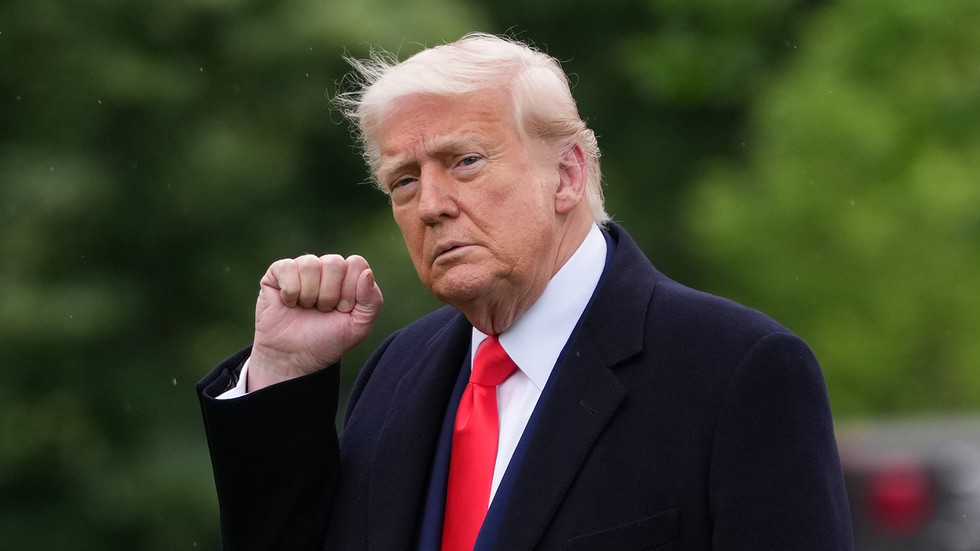
Trump Postpones EU Tariffs: A Critical Analysis
In a surprising development, President Donald Trump has decided to delay the imposition of tariffs on European goods, igniting discussions regarding the future of U.S.-EU trade relations. This decision not only impacts bilateral trade but also raises crucial questions about global market dynamics.
The Context of the Decision
The announcement came as part of ongoing negotiations aimed at addressing longstanding trade disputes. Initially scheduled for implementation in early November, the tariffs were expected to affect a range of products, potentially straining relations between the United States and the European Union. Trump’s decision to postpone these tariffs appears to be a strategic move aimed at fostering dialogue.
Potential Economic Implications
The delay in tariffs could have significant repercussions for both the U.S. and EU economies. Analysts suggest that the postponement might provide a much-needed respite for American consumers and businesses already grappling with rising prices due to inflation. According to the U.S. Chamber of Commerce, tariffs on European imports could lead to increased costs for households, as goods such as wine, cheese, and automobiles would become more expensive.
- Impact on Consumer Prices: A potential decrease in consumer prices in the short term could bolster domestic spending.
- Business Sentiment: Businesses might view the postponement as a positive signal, leading to increased investment and hiring.
- EU Response: The EU may respond with its own concessions, further enhancing trade dialogue.
Long-term Effects on Global Trade Relations
Experts warn that while the postponement may provide temporary relief, it does not resolve the underlying issues at the heart of the U.S.-EU trade tensions. The global trading system is increasingly interdependent, and any unilateral decisions can have far-reaching effects. According to Dr. Emily Davis, an economist at the Brookings Institution, “This could be a pivotal moment for transatlantic relations, but long-term stability will require more than just temporary measures. Both sides need to address structural issues to avoid future conflicts.”
Geopolitical Considerations
The decision to delay tariffs also reflects broader geopolitical dynamics. As global trade relations become more complex, the U.S. and EU must navigate their partnership amidst rising competition from other nations, particularly China. The European Commission has emphasized the need for a unified approach to address shared challenges.
Moreover, with national elections approaching in both the U.S. and key EU member states, political considerations may also play a role in shaping trade policies. Trade negotiations could become a central theme in electoral campaigns, influencing policymakers to adopt less confrontational stances.
Market Reactions and Future Outlook
Financial markets reacted positively to the announcement, with major indices reflecting investor optimism about a potential thaw in U.S.-EU relations. Market analysts noted that the postponement has eased fears of further escalation, at least temporarily, allowing for a more stable investment climate.
Looking ahead, the focus will be on how both the U.S. and EU can leverage this moment to build a more robust trading relationship. A potential framework for future negotiations could include:
- Joint Committees: Establishing joint committees to address trade barriers and harmonize regulations.
- Sector-specific Agreements: Targeting specific industries for collaborative growth, such as technology and green energy.
- Dispute Resolution Mechanisms: Creating effective mechanisms to resolve future trade disputes without resorting to tariffs.
The Path Forward
Ultimately, the decision to postpone EU tariffs may provide a crucial opportunity for both sides to engage in meaningful dialogue. However, it is essential for U.S. and EU leaders to move beyond temporary fixes and work towards a comprehensive trade strategy that addresses the evolving global landscape.
As the economic ramifications unfold, stakeholders must remain vigilant and proactive in advocating for policies that promote sustainable growth. The global trade environment is fluid, and the ability to adapt to changing circumstances will be vital for both U.S. and EU economies.
Conclusion
In conclusion, President Trump’s postponement of tariffs on European goods is a significant development in the context of U.S.-EU trade relations. While it offers temporary relief, the long-term implications warrant careful consideration. Stakeholders must leverage this opportunity to foster a collaborative approach that addresses existing challenges and paves the way for a more stable and prosperous trading environment.
Call to Action: As the debate around trade continues, it is essential for consumers and businesses to stay informed and engaged in the discussion about future trade policies. Join the conversation and advocate for a fair and equitable trading system that benefits all parties involved.
See more CCTV News Daily