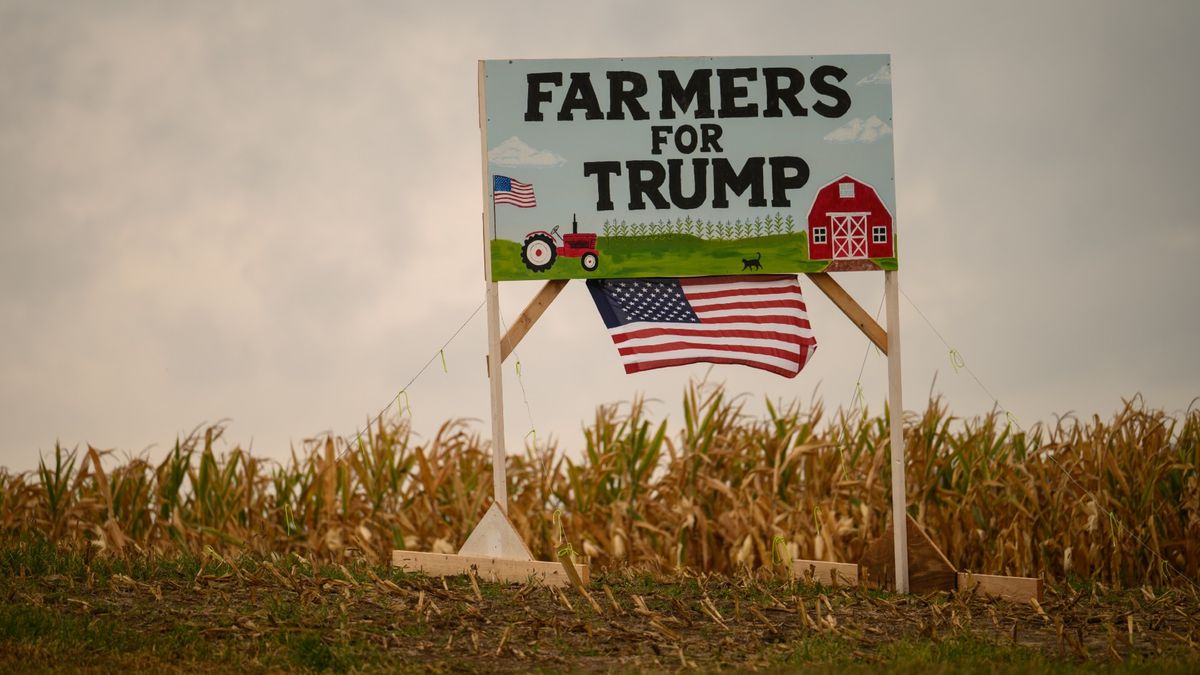
How Trump’s Tariffs and DOGE Policies Are Shaping the Future for Farmers
As the agricultural landscape continues to evolve, farmers across the United States find themselves navigating the complexities of Trump’s tariffs and the intriguing rise of DOGE as a potential economic player. These two seemingly disparate elements are now intricately intertwined, influencing not just farmers’ livelihoods but also the broader economic framework within which they operate. This article explores how these policies are shaping the future for farmers, shedding light on the challenges and opportunities that lie ahead.
The Impact of Trump’s Tariffs on Agriculture
Trump’s administration implemented a series of tariffs aimed at protecting American industries, particularly in the steel and aluminum sectors. However, these tariffs have had significant ripple effects on the agricultural sector. The implications of these tariffs were particularly pronounced in 2018 when the trade war with China escalated. China, a major importer of American agricultural products, retaliated with tariffs of its own, targeting commodities such as soybeans, pork, and corn.
- Market Disruption: Farmers suddenly found themselves facing diminished export opportunities, resulting in plummeting prices for crops that were heavily reliant on foreign markets.
- Financial Strain: Many farmers reported significant financial stress, with some even considering leaving the industry altogether. The loss of income due to tariffs led to a surge in bankruptcies within the agricultural sector.
- Government Aid: In response to the fallout, the federal government introduced relief measures, including direct payments to farmers affected by the tariffs. While such measures provided temporary relief, they do not address the long-term sustainability of farming operations.
Farmers have had to adapt to these new realities, rethinking their strategies and diversifying their markets. The uncertainty surrounding tariffs continues to loom large, compelling farmers to remain vigilant and flexible in their operations.
The Rise of DOGE: A New Economic Player
While tariffs have posed challenges, the rise of cryptocurrencies, particularly DOGE (Dogecoin), has introduced a novel layer to the economic landscape. Initially conceived as a joke, DOGE has gained traction and recognition as a legitimate cryptocurrency. Its popularity surged in early 2021, fueled by endorsements from high-profile figures and a vibrant online community.
For farmers, the emergence of DOGE may represent a unique opportunity to engage with new forms of currency and trade:
- Alternative Revenue Streams: Farmers are exploring the potential of accepting cryptocurrencies as a form of payment for their goods, potentially reaching a younger, tech-savvy demographic.
- Investment Opportunities: Some farmers have started to invest their earnings in DOGE, viewing it as a way to hedge against traditional market fluctuations and inflationary pressures.
- Community Engagement: The online communities surrounding cryptocurrencies often emphasize local and sustainable practices, aligning with the values of many farmers.
However, the volatility of cryptocurrencies poses risks as well. Prices can fluctuate wildly, making it challenging for farmers to rely on DOGE as a stable revenue source. Farmers must weigh the pros and cons of engaging with this new economic player carefully.
The intersection of Trump’s tariffs and the rise of DOGE creates a complex balancing act for farmers. On one hand, they must grapple with the immediate effects of trade policies that have disrupted their markets. On the other hand, they have the opportunity to explore innovative financial avenues through cryptocurrencies. Here’s how they can navigate this landscape:
- Diversification: Farmers should consider diversifying their crops and markets to mitigate the risks associated with tariffs. This might involve exploring new international markets or focusing on niche products that are less affected by trade policies.
- Education and Training: Engaging with financial education programs can empower farmers to make informed decisions about investing in cryptocurrencies like DOGE, helping them understand the risks and rewards involved.
- Networking: Building relationships with other farmers and industry professionals can facilitate the sharing of insights and strategies for coping with tariffs and embracing new financial opportunities.
Farmers’ Perspectives: Voices from the Field
To truly understand the impact of Trump’s tariffs and DOGE on agriculture, it’s essential to hear directly from those affected. Farmers across various regions have shared their experiences:
A soybean farmer from Indiana noted, “The tariffs hit us hard. We used to export a significant portion of our crop to China, and now we’re struggling to find buyers. It’s forced us to rethink our business model.” This sentiment is echoed by many who have had to pivot in response to market changes.
On the other hand, a tech-savvy farmer from California commented, “I started accepting DOGE as payment for my organic produce. It’s a small but growing part of my business, and it’s exciting to be part of something new.” This reflects the optimism some farmers feel toward integrating cryptocurrency into their operations.
Looking Ahead: The Future of Farming in an Evolving Economy
The future for farmers amid Trump’s tariffs and the rise of DOGE is one characterized by uncertainty, yet also by innovation. As they adapt to changing market dynamics, farmers are likely to continue exploring diverse revenue streams, including cryptocurrencies.
Moreover, as the global economy shifts and the agricultural landscape transforms, it will be crucial for farmers to remain informed and engaged. Policies, technologies, and market trends will continue to evolve, and those who embrace flexibility and adaptability will be best positioned to thrive.
In conclusion, while the challenges posed by tariffs and the volatility of cryptocurrencies like DOGE are significant, they also present opportunities for farmers to innovate and diversify. As we move forward, the resilience of the agricultural sector will be tested, but with the right strategies in place, farmers can navigate this complex landscape and secure a sustainable future.
See more CCTV News Daily