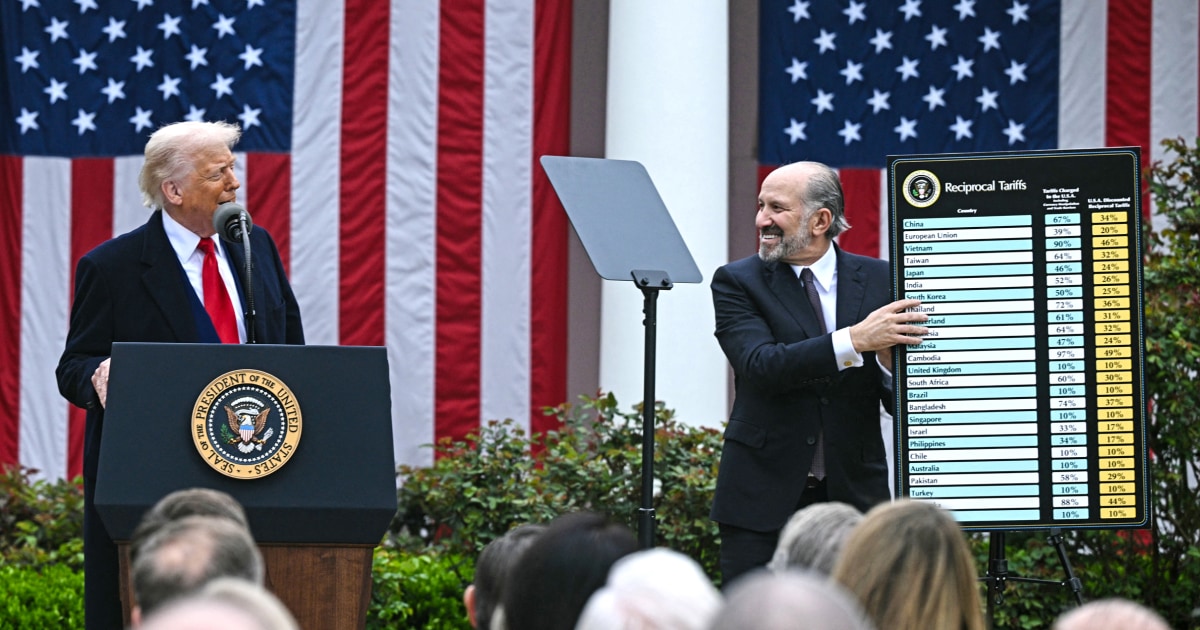
Unpacking Trump’s ‘Great Time to Buy’ Statement: Tariffs and Economic Implications
Former President Donald Trump recently declared it a “great time to buy,” sparking debate among economists and trade experts about the potential ripple effects on tariffs and the broader economy. The remark, made during a private meeting with business leaders last week, comes as Trump signals plans to expand tariffs if re-elected. Analysts are scrutinizing whether this rhetoric aligns with market realities or could trigger inflationary pressures.
The Context Behind Trump’s Controversial Remark
Trump’s statement emerged during discussions about his proposed 10% across-the-board tariff on imported goods—a policy he claims would boost domestic manufacturing. “When other countries are devaluing their currencies, there’s never been a better opportunity for American buyers,” he asserted, though he provided no specific timing or sector recommendations.
Historical data suggests such policies carry risks. The Peterson Institute for International Economics found Trump’s 2018-2019 tariffs cost U.S. companies $46 billion and raised consumer prices by 0.2% annually. Meanwhile, the Tax Foundation projects his new tariff plan could reduce long-term GDP by 0.5% and eliminate 505,000 jobs.
- 2018-2020 tariffs: Average 19% increase on $380B of Chinese goods
- Consumer impact: $1,200 annual cost per household (JPMorgan Chase data)
- Retaliation: $120B in U.S. exports faced foreign counter-tariffs
Divergent Views on Economic Consequences
Proponents argue strategic tariffs could rebalance trade deficits. “Targeted protectionism gives domestic industries breathing room to compete globally,” says Dr. Linda Reynolds, trade economist at the Cato Institute. She points to steel tariff exemptions that boosted production in 2021.
Critics counter that broad tariffs function as regressive taxes. “Low-income families spend 50% more of their budget on tariff-affected goods than high earners,” notes Harvard economist Mark Harrison, citing Bureau of Labor Statistics data. He warns renewed tariffs could stall recent inflation progress, with models showing potential 1.8% CPI spikes.
Market Reactions and Sector-Specific Impacts
Futures markets showed immediate volatility after Trump’s comments. The S&P 500 dropped 0.6% in pre-market trading, while retail and automotive stocks saw particular pressure. Analysts identified three vulnerable sectors:
- Consumer electronics: 45% of U.S. imports face potential tariffs
- Automotive: Average vehicle prices could rise $2,750 (Center for Automotive Research)
- Agriculture: Renewed trade wars may cut farm exports by $12B annually
However, some domestic manufacturers see opportunity. “We’ve invested $80M in Ohio factories anticipating reshoring trends,” said James Whitmore, CEO of industrial supplier Midland Tools. His sentiment reflects a 17% increase in U.S. manufacturing construction since 2022.
The Global Trade Chessboard
International responses are already taking shape. The European Union has drafted retaliatory tariffs targeting $4B in U.S. goods, while China’s Commerce Ministry warned of “necessary measures” to protect its interests. Emerging markets face particular vulnerability—IMF data shows developing nations could lose 1.3% of GDP under widespread tariff escalation.
Currency markets also reacted, with the dollar index rising 0.9% as traders anticipated reduced imports. “Stronger dollars make exports pricier, potentially negating tariff benefits,” cautioned Wells Fargo currency strategist Elena Rodriguez.
What Comes Next for Consumers and Businesses
With Trump leading early election polls, businesses are preparing contingency plans. A National Association of Manufacturers survey found:
- 68% of firms are diversifying supply chains
- 42% have delayed capital expenditures
- 29% are stockpiling imported components
For consumers, the advice varies. “Focus on durable goods with domestic alternatives,” suggests consumer advocate Rachel Tan. She recommends comparing tariff exposure across product categories using the International Trade Commission’s Harmonized Tariff Schedule database.
The Road Ahead: Policy and Economic Crossroads
As the election approaches, Trump’s “great time to buy” comment may foreshadow broader economic policy shifts. While some industries could benefit from protectionism, most economists agree the net effect would likely include:
- Higher consumer prices in the short-to-medium term
- Increased volatility in commodity markets
- Potential acceleration of nearshoring trends
Investors and policymakers alike should monitor Federal Reserve responses, as interest rate decisions may need to counteract inflationary pressures. For now, the debate continues whether this vision represents economic nationalism or a recipe for stagflation. Those affected can stay informed through the U.S. International Trade Commission’s upcoming hearings on proposed tariff modifications.
See more CCTV News Daily