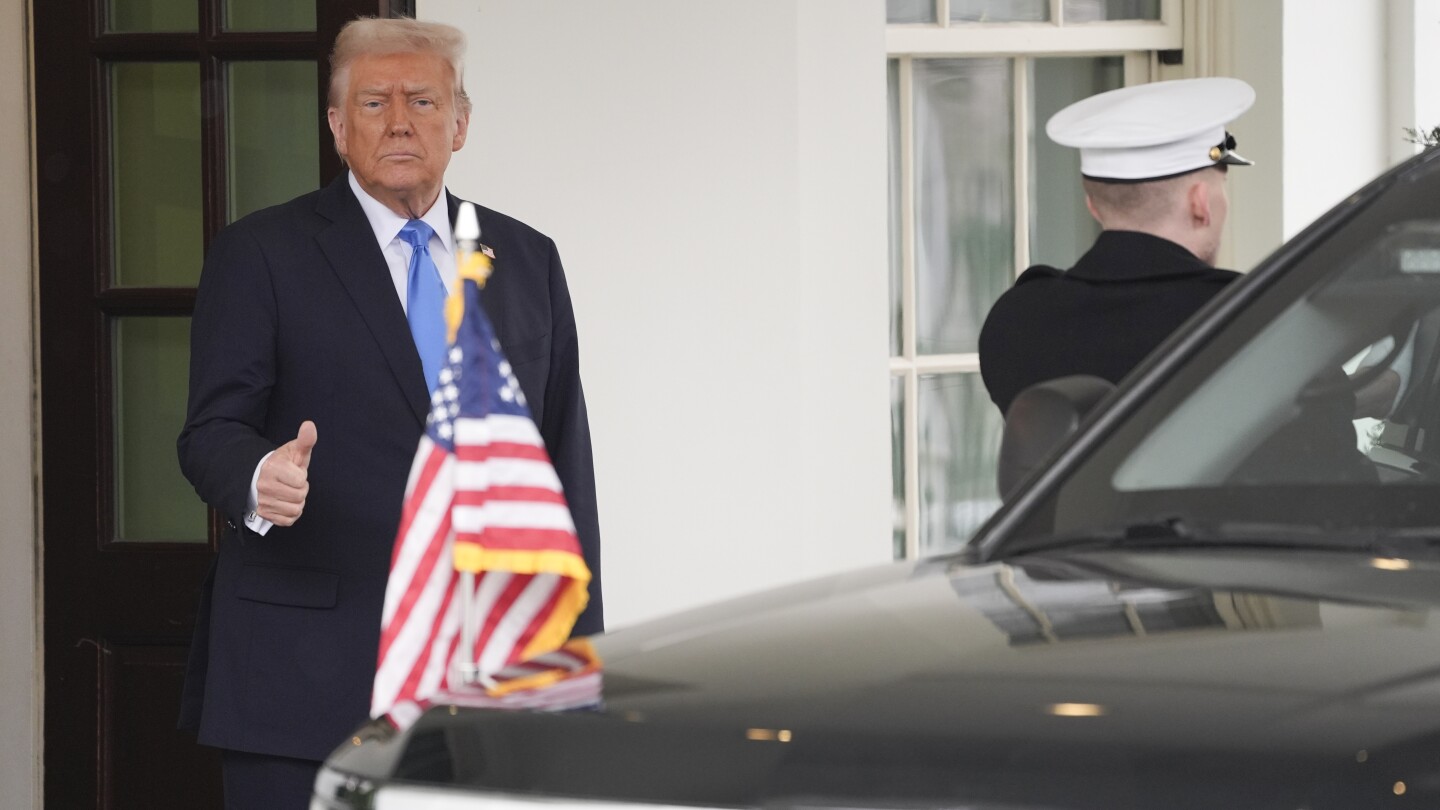
Trump Prepares to Ignite Economic Showdown with Matching Tariffs
As we navigate through an increasingly complex global trade landscape, tensions are on the rise, particularly as former President Donald Trump gears up to implement matching tariffs on key trade partners. This bold move promises to reshape economic relations, provoke significant reactions from allies and adversaries alike, and potentially spark an economic showdown that could have wide-reaching implications.
The Context of Tariffs in Global Trade
Tariffs have long been a tool in the arsenal of governments aiming to protect domestic industries and influence international trade dynamics. Historically, they have served various purposes, from boosting local production to retaliating against unfair trade practices. Under Trump’s administration, tariffs were frequently employed as a means to confront perceived trade imbalances, particularly with countries like China. As Trump prepares to reintroduce these measures, it’s crucial to understand the backdrop against which this economic strategy is set.
Understanding Matching Tariffs
Matching tariffs refer to a strategy where a country imposes tariffs on imports that mirror those implemented by another country. This approach not only aims to level the playing field but also sends a clear message of reciprocity in trade dealings. Trump’s proposed matching tariffs could signal a return to his administration’s aggressive trade policies, which were characterized by a “America First” ideology. Such tariffs could cover a wide array of goods, impacting various sectors including agriculture, manufacturing, and technology.
Potential Impacts on the Economy
Implementing matching tariffs can have multifaceted effects on both the American economy and the economies of affected trading partners. Here are some potential outcomes:
- Increased Prices for Consumers: Tariffs often lead to higher prices for imported goods, which can result in increased costs for consumers. This price hike can affect everyday products, from electronics to clothing.
- Impact on Domestic Producers: While tariffs aim to protect domestic industries by making foreign goods more expensive, they can also hurt American companies that rely on imported components. Increased production costs can lead to reduced competitiveness on a global scale.
- Retaliation from Other Countries: Countries affected by matching tariffs may respond with their own tariffs, leading to a tit-for-tat scenario that can escalate into a full-blown trade war. Such conflicts can disrupt trade flows and economic stability.
- Effects on Employment: Depending on how sectors respond to tariffs, employment can either rise in protected industries or decline in those that face higher costs. The net effect on jobs will depend on the balance between these opposing forces.
Reactions from Key Trade Partners
The implementation of matching tariffs is likely to provoke significant reactions from key trade partners. Countries such as China, the European Union, and Canada have historically been vocal against unilateral tariff measures. Here’s what we might expect:
- China: As a primary target of Trump’s previous tariffs, China may respond with its own set of tariffs on U.S. goods, further escalating tensions. This could affect American agricultural exports, which are crucial for many farmers.
- European Union: The EU has previously retaliated against U.S. tariffs with its own measures. If matching tariffs are imposed, we could see a resurgence of trade disputes that may involve sectors like automotive and aerospace.
- Canada and Mexico: As neighbors and key trade partners, both Canada and Mexico would be directly impacted by any tariffs. Their economies are closely tied to the U.S. through agreements like USMCA, and any disruption could have serious implications.
Domestic Political Implications
Trump’s move to implement matching tariffs is not only an economic strategy but also a political one. By adopting a firm stance on trade, he aims to rally his base and reaffirm his commitment to American workers. This move could solidify support among voters who feel that globalization has negatively impacted their jobs and communities.
However, there is also the risk of alienating moderate Republicans and independents who may be concerned about the potential fallout of a trade war. The balance between appealing to his core supporters and maintaining broader electoral appeal will be a delicate tightrope for Trump as he prepares for the upcoming elections.
Long-Term Consequences and Global Trade Dynamics
The long-term consequences of matching tariffs could lead to a significant reshaping of global trade dynamics. In a world where countries increasingly rely on each other for goods and services, the introduction of tariffs can disrupt established supply chains and lead to a reevaluation of trade relationships. Countries may begin to seek alternative markets, diversify their supply chains, and develop domestic industries to reduce reliance on imports.
Moreover, the World Trade Organization (WTO) and other international trade bodies may face pressure to intervene and mediate the growing tensions. The challenge will be to ensure that trade remains open and fair amidst rising protectionist sentiments.
As Trump prepares to ignite an economic showdown with matching tariffs, the implications of this decision will reverberate far beyond the borders of the United States. Navigating these complex economic waters will require careful consideration of both immediate effects and long-term strategies. The interplay between domestic interests and global economic relations will undoubtedly shape the future of international trade.
Ultimately, balancing protectionism with cooperation remains a formidable challenge. The actions taken in the coming months will not only define Trump’s legacy but could also set the course for America’s economic relationships for years to come. As the world watches closely, the key question remains: will these tariffs pave the way for a more robust American economy, or will they lead to an era of increased economic strife?
See more CCTV News Daily