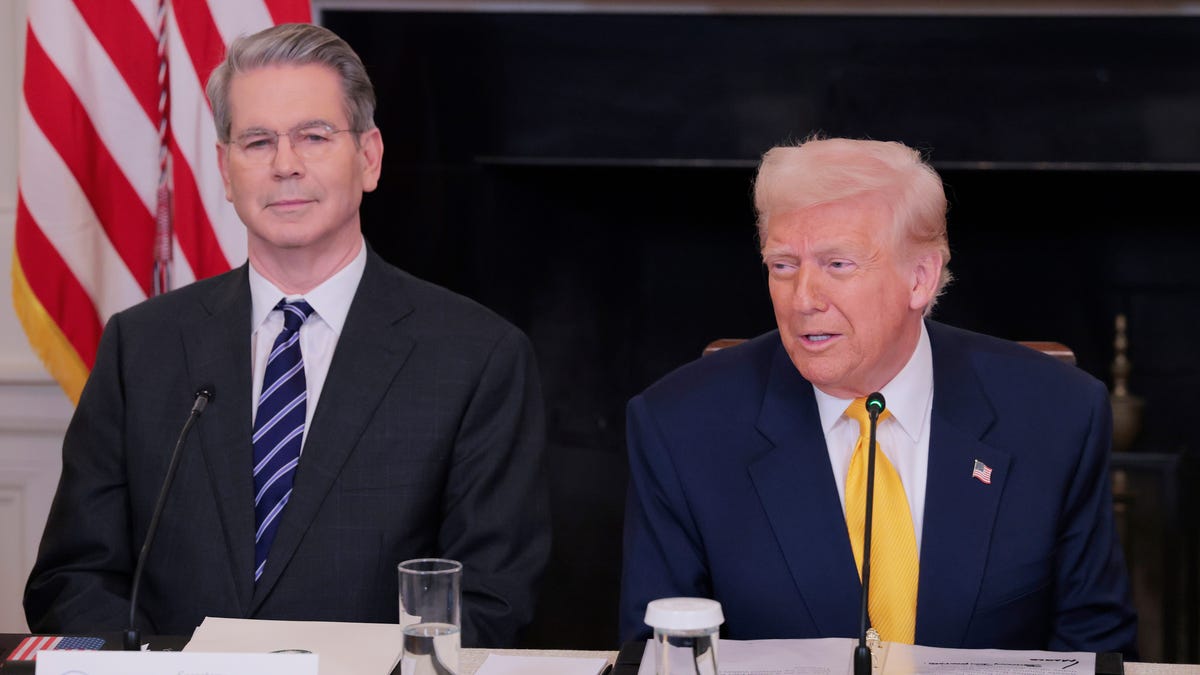
Trump Hints at New Tariff Strategy for China: What’s at Stake?
Former President Donald Trump has reignited debates over U.S.-China trade relations by suggesting a potential overhaul of tariff policies, signaling tougher measures if he returns to office. The remarks, made during a campaign event this week, come as global markets brace for possible economic ripple effects. Analysts warn the move could escalate tensions, while supporters argue it would protect American industries.
Background: A Return to Trump’s Trade War Playbook?
Trump’s latest comments echo his 2018-2019 trade war, when he imposed tariffs on $370 billion worth of Chinese goods, citing unfair trade practices. At the time, Beijing retaliated with its own levies, sparking a standoff that disrupted global supply chains. While the Biden administration maintained some tariffs, it prioritized diplomacy over confrontation. Trump’s renewed focus suggests a sharper pivot.
“China’s been eating our lunch for decades,” Trump told supporters in Ohio. “If we don’t get tough, they’ll keep taking advantage of us.” Though specifics remain unclear, insiders speculate he may propose:
- Across-the-board tariff increases, potentially exceeding 25% on key imports
- New restrictions on technology transfers and intellectual property
- Linking trade policies to geopolitical issues like Taiwan
Economic Implications: Winners and Losers
Data from the Peterson Institute for International Economics shows existing tariffs cost U.S. consumers $51 billion annually in higher prices. A 2023 study by the Tax Foundation warns expanding tariffs could:
- Reduce long-term GDP by 0.5%
- Eliminate 166,000 jobs
- Increase inflation by 1-2 percentage points
However, proponents like economist Peter Navarro argue tariffs revitalize domestic manufacturing. “The 2018 tariffs created 1.2 million factory jobs,” Navarro claimed, though fact-checkers note most gains occurred before tariffs took effect.
Global Reactions and Market Jitters
Asian markets dipped following Trump’s remarks, with the Hang Seng Index falling 1.3%. Meanwhile, U.S. agricultural exporters expressed concern. “We just recovered from China’s soybean tariffs,” said Iowa Farmers Union president Aaron Lehman. “Another trade war could devastate rural economies.”
Chinese state media responded cautiously, with the Global Times editorializing: “Politicians should avoid holding the global economy hostage to campaign rhetoric.” Behind the scenes, analysts report Beijing is preparing contingency plans, including:
- Stockpiling critical imports
- Accelerating trade diversification
- Readying targeted retaliatory measures
Expert Perspectives: Divided Opinions
Trade experts remain split on the potential outcomes. “Trump’s approach treats symptoms, not causes,” argued Brookings Institution fellow David Dollar. “Without addressing subsidies and IP theft structurally, tariffs alone won’t rebalance trade.”
Conversely, Heritage Foundation’s Riley Walters countered: “China only responds to pressure. The 2018 tariffs forced them to the negotiating table when years of diplomacy failed.”
The Political Calculus Behind the Strategy
With the 2024 election looming, Trump’s rhetoric resonates with key constituencies. A recent Pew Research poll shows:
- 72% of Republicans support tougher China trade policies
- 58% of manufacturing workers believe tariffs protect jobs
- Only 39% of Democrats favor increased tariffs
Democratic strategists warn the approach risks unintended consequences. “Tariffs function like taxes on working families,” said former Commerce Secretary Penny Pritzker. “We need precision tools, not blunt instruments.”
What Comes Next? Potential Scenarios
Observers outline three likely paths forward:
- Negotiation Leverage: Trump uses tariff threats to extract concessions during potential 2025 trade talks
- Full-Scale Trade War: Escalating measures from both sides disrupt $650 billion in annual trade
- Status Quo: Rhetoric cools post-election, with limited policy changes
Supply chain experts advise businesses to prepare for volatility. “Companies learned from 2018,” noted Resilinc CEO Bindiya Vakil. “Many are already nearshoring or building inventory buffers.”
Conclusion: High Stakes for the Global Economy
As political and business leaders weigh the risks, one reality is clear: U.S.-China trade policies will significantly impact inflation, jobs, and international relations for years to come. Voters and investors alike should monitor developments closely, as campaign promises could quickly become economic realities.
For ongoing analysis on this developing story, subscribe to our trade policy newsletter or attend our April 15 webinar featuring former USTR negotiators.
See more CCTV News Daily