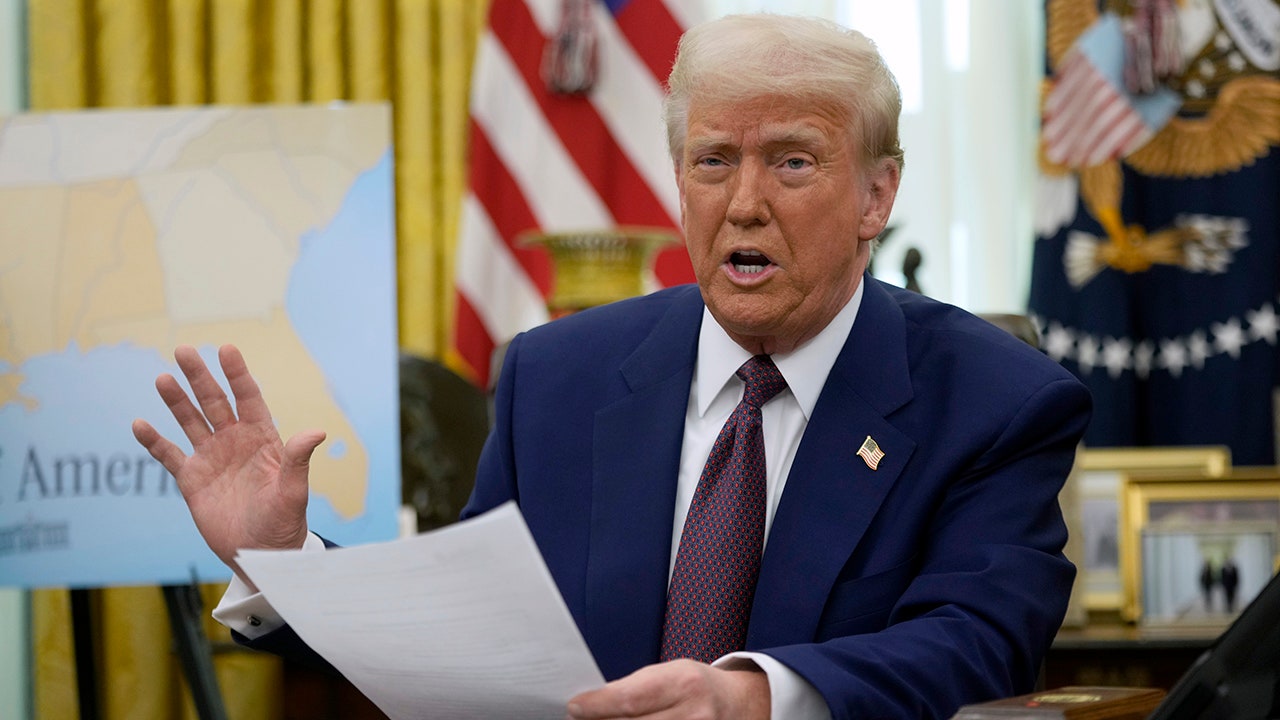
Trump Unveils Bold Tariff Strategy: A Call for Global Reciprocity
In a striking announcement that has sent ripples through international markets, former President Donald Trump has put forth a bold tariff strategy aimed at promoting global reciprocity in trade practices. This approach advocates for nations to engage in fair trade, ensuring that tariffs imposed on American goods are met with equivalent tariffs from other countries. As economic tensions continue to rise, Trump’s vision for reciprocal tariffs raises crucial questions about its potential impact on the global economic landscape.
Understanding Trump’s Tariff Strategy
Trump’s tariff strategy centers around the concept of reciprocity, which he defines as a system where countries treat each other equally in terms of trade barriers. In his words, “If a country imposes tariffs on American products, we will respond in kind.” This philosophy aligns with the broader theme of his previous administration, which prioritized American interests and sought to negotiate better terms for U.S. businesses on the global stage.
The former president’s proposal comes at a time when many nations are grappling with supply chain disruptions, inflation, and economic recovery post-pandemic. Trump’s call for reciprocal tariffs is seen as a way to level the playing field, encouraging nations to engage in fair and equitable trade practices. He argues that this approach will protect American jobs and industries from unfair foreign competition.
Potential Benefits of Reciprocal Tariffs
Trump’s bold tariff strategy may have several potential benefits for the U.S. economy:
- Protection of Domestic Industries: By imposing tariffs on countries that do not reciprocate, American manufacturers may find themselves with a competitive edge in the domestic market.
- Encouragement of Fair Trade Practices: The strategy could incentivize foreign nations to adopt more equitable trade policies, reducing the prevalence of dumping and subsidies that disadvantage U.S. companies.
- Job Creation: Protecting domestic industries could lead to increased hiring, as companies expand their operations to meet local demand without facing foreign competition.
Challenges and Criticisms of the Tariff Strategy
While the idea of reciprocal tariffs sounds appealing in theory, there are significant challenges and criticisms associated with this approach:
- Retaliation from Other Countries: A tit-for-tat approach could lead to a trade war, where countries continuously raise tariffs against each other. This escalation can hurt consumers through increased prices and limited product availability.
- Impact on Global Supply Chains: Many businesses rely on complex global supply chains. Tariffs can disrupt these networks, leading to inefficiencies and increased costs that may ultimately be passed on to consumers.
- Economic Isolation: Over-reliance on tariffs could isolate the U.S. from beneficial trade relationships, reducing access to foreign markets and products.
The Global Economic Landscape: A Shift in Dynamics
Trump’s unveiling of this tariff strategy is not merely a U.S. issue; it has global implications. As countries adjust their trade policies in response, the dynamics of international trade may shift. Here are some potential outcomes:
- Increased Trade Tensions: Countries that feel threatened by the U.S. tariffs may retaliate, leading to heightened tensions and potential conflicts in trade negotiations.
- Shifts in Alliances: Nations may seek new trade partners or strengthen existing alliances to counterbalance the effects of U.S. tariffs, leading to a reconfiguration of global trade networks.
- Opportunities for Emerging Markets: As developed nations grapple with tariffs, emerging markets may see an opportunity to position themselves as more attractive trade partners, potentially increasing their share of global trade.
The Role of Technology and Innovation
In the evolving landscape of global trade, technology and innovation will play a crucial role. As countries navigate the complexities of reciprocal tariffs, there will be a growing emphasis on developing technologies that enhance production efficiency and reduce costs. For instance:
- Automation: Companies may increasingly adopt automation technologies to offset the costs associated with tariffs, allowing them to remain competitive in a protected market.
- Supply Chain Innovations: Investing in more resilient supply chains through advanced logistics and data analytics can help businesses mitigate the risks posed by tariff fluctuations.
- Green Technologies: As global trade evolves, there may also be a push towards sustainable practices, with countries incentivizing the development of green technologies as part of their trade agreements.
Donald Trump’s bold tariff strategy calling for global reciprocity in trade practices presents both opportunities and challenges. While it aims to protect American jobs and industries, the potential for trade wars and economic isolation looms large. Countries worldwide will need to carefully consider their responses to this strategy, balancing national interests with the benefits of cooperation in the global marketplace.
In this new era of trade dynamics, the emphasis on technology and innovation may ultimately dictate which nations thrive. As the world watches closely, the unfolding of Trump’s tariff strategy will serve as a critical case study in the complexities of global trade and the importance of fairness in economic relations.
See more CCTV News Daily