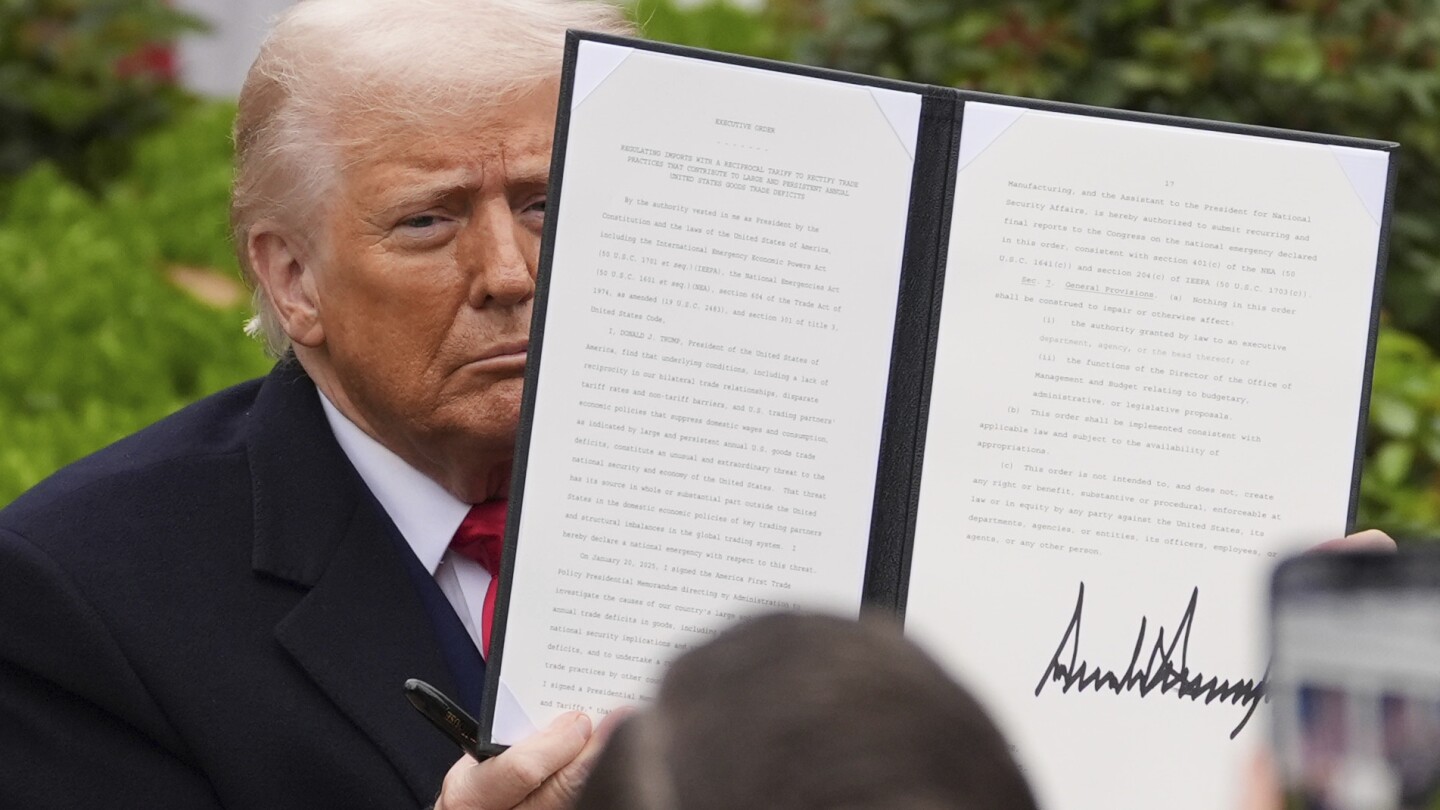
Unpacking President Trump’s Reciprocal Tariffs: What You Need to Know
President Donald Trump’s implementation of reciprocal tariffs has reignited debates over trade policy, economic strategy, and global commerce. Announced in early 2024, these tariffs aim to match the import duties imposed by other nations on U.S. goods, targeting countries like China, the EU, and Mexico. The move seeks to protect domestic industries but risks escalating trade tensions, raising costs for businesses and consumers. Here’s a breakdown of the policy’s motivations, impacts, and potential consequences.
The Rationale Behind Reciprocal Tariffs
The Trump administration argues that reciprocal tariffs level the playing field for American businesses. “For decades, U.S. companies have faced unfair trade barriers abroad while foreign competitors enjoyed near-unrestricted access to our markets,” said Commerce Secretary Wilbur Ross in a recent statement. “This policy ensures fairness and encourages negotiation.”
Data from the U.S. International Trade Commission shows that as of 2023, over 60% of U.S. exports faced higher tariffs abroad than the U.S. imposed on comparable imports. The administration contends that matching these rates could:
- Pressure trading partners to lower their tariffs
- Boost domestic manufacturing by reducing foreign competition
- Generate additional revenue for federal programs
Sectors Most Affected by the Tariffs
While the policy spans multiple industries, analysts highlight agriculture, automotive, and technology as the most vulnerable. For example, soybean farmers, who exported $27 billion worth of goods in 2022, fear retaliatory measures from China, their largest market. Similarly, automakers warn that higher steel and aluminum tariffs could increase production costs by up to 15%.
“The auto industry thrives on global supply chains,” noted Michelle Krebs, an analyst at AutoTrader. “Disrupting these with tariffs could lead to job losses and higher prices for consumers.” Meanwhile, tech giants worry about restricted access to critical components like semiconductors, 80% of which are manufactured overseas.
Economic and Political Reactions
Reactions to the tariffs have been polarized. Proponents, including manufacturing lobbies, applaud the move as long overdue. “This is a step toward reclaiming American economic sovereignty,” said Linda Dempsey of the National Association of Manufacturers. Conversely, free-market advocates warn of unintended consequences. A 2024 Brookings Institution study projected that reciprocal tariffs could reduce U.S. GDP growth by 0.5% annually if fully implemented.
Internationally, trading partners have threatened countermeasures. The EU has drafted a list of $40 billion in U.S. goods for potential tariffs, while China has hinted at restricting rare earth mineral exports—a critical input for electronics and renewable energy technologies.
What Consumers and Businesses Should Watch For
In the short term, businesses should prepare for:
- Higher input costs: Sectors reliant on imported materials will face rising expenses.
- Supply chain delays: Customs disputes and paperwork could slow deliveries.
- Price hikes: Consumers may see increases in everyday goods, from electronics to groceries.
Long-term outcomes hinge on negotiations. If the tariffs succeed in pressuring other nations to lower trade barriers, U.S. exports could grow. However, a prolonged trade war might erode global market share and strain diplomatic relations.
The Path Forward: Negotiations or Escalation?
Experts suggest the tariffs could serve as a bargaining chip. “The administration’s goal isn’t perpetual tariffs but revised trade deals,” explained trade economist Douglas Irwin. “The risk is that other countries dig in rather than concede.”
For now, businesses are advised to diversify suppliers, while consumers should budget for potential price fluctuations. Policymakers, meanwhile, face mounting pressure to balance protectionism with economic stability. As the situation evolves, one thing is clear: the ripple effects of reciprocal tariffs will shape global commerce for years to come.
Stay informed with our daily trade policy updates—subscribe to our newsletter for the latest analysis.
See more CCTV News Daily