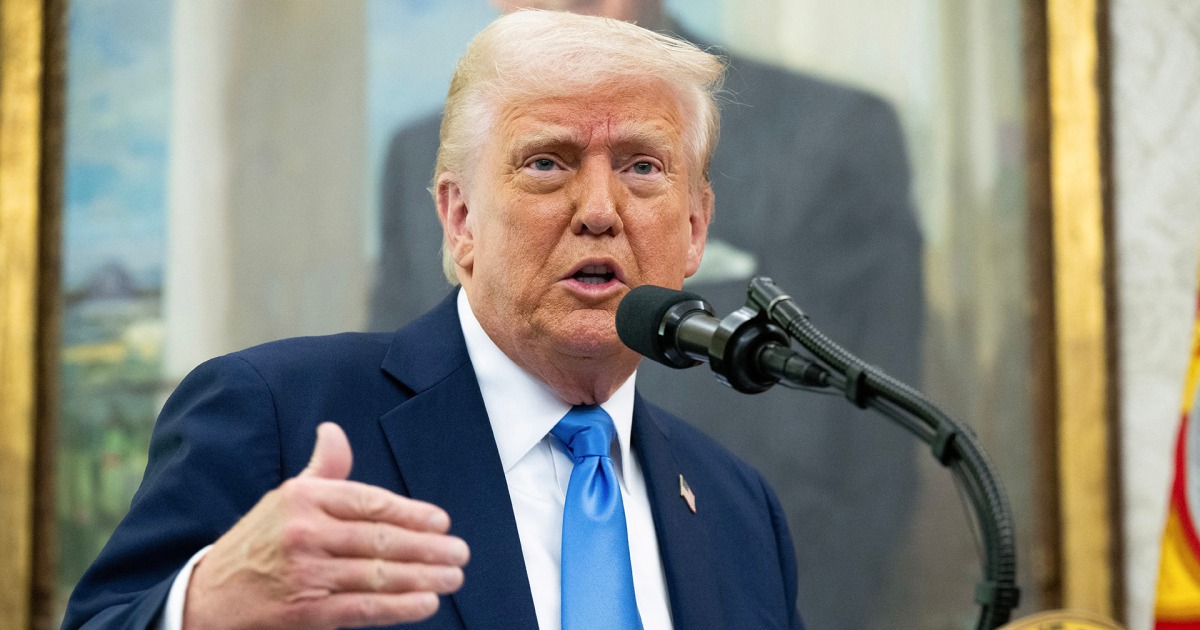
Trump Set to Unveil Controversial Plans for Reciprocal Tariffs in Live Announcement
Former President Donald Trump will announce a sweeping proposal for reciprocal tariffs during a live event today, a move that could dramatically alter global trade relationships. The policy, expected to target nations with higher import duties on U.S. goods, aims to “level the playing field” but risks sparking retaliatory measures. Economists warn the plan may escalate trade wars, while supporters argue it will protect American industries. The announcement comes as Trump positions himself as the Republican frontrunner for the 2024 election.
The Mechanics of Reciprocal Tariffs
Trump’s proposal would mirror other countries’ tariff rates on U.S. products, creating a one-to-one trade relationship. For example, if China imposes a 25% duty on American automobiles, the U.S. would reciprocate with identical tariffs on Chinese vehicles. This approach marks a significant departure from traditional free trade agreements and could affect:
- Over $3.8 trillion in annual U.S. trade volume
- Approximately 40 million American jobs tied to international commerce
- Consumer prices across multiple sectors, from electronics to agriculture
“This isn’t protectionism—it’s fair trade enforcement,” a Trump campaign advisor stated anonymously. “Why should American workers compete with one hand tied behind their backs?”
Economic Implications and Expert Reactions
The Peterson Institute for International Economics estimates that similar policies during Trump’s presidency cost the average U.S. household $1,277 annually through higher prices. However, some domestic manufacturers praised the approach. “Targeted tariffs saved our steel plants in 2018,” said James Kowalski, CEO of Midwestern Steelworks. “This broader strategy could revive entire supply chains.”
Conversely, Dr. Alicia Chen, trade economist at Harvard University, warns: “Reciprocal tariffs often create a domino effect. When Country A matches Country B’s tariffs, both economies typically shrink while inflation rises. Historical data shows these measures reduce global trade volume by 3-5% within two years.”
Political Landscape and International Response
The announcement strategically precedes key primary elections, solidifying Trump’s “America First” economic message. Recent polling shows:
- 62% of Republican voters support tougher trade policies
- 38% of independents view reciprocal tariffs favorably
- 71% of Democrats oppose the measure
International leaders are already responding. The European Union Trade Commission issued a statement cautioning against “unilateral actions that undermine WTO frameworks.” Meanwhile, China’s Commerce Ministry hinted at “necessary countermeasures” should the policy target their exports.
Sector-Specific Impacts and Market Reactions
Financial markets showed immediate volatility upon news of the impending announcement. The S&P 500 dropped 1.2% in pre-market trading, while agricultural futures fell sharply. Analysts predict these sectors face particular risk:
- Automotive: Potential 25% tariffs could add $5,000 to average import vehicle prices
- Electronics: Consumer tech may see 10-15% price hikes
- Agriculture: Retaliatory tariffs could devastate soybean and pork exports
Small business owners expressed mixed reactions. “We barely survived the last trade war,” said Maria Gonzalez, owner of a Chicago appliance store. “But if this brings manufacturing jobs back, maybe it’s worth short-term pain.”
Historical Context and Legal Considerations
Trump previously used Section 232 and 301 tariffs during his presidency, imposing $380 billion in duties. Legal scholars debate whether reciprocal tariffs could face WTO challenges or require congressional approval. “The President has broad authority on trade,” noted constitutional lawyer Mark Reynolds. “But sustained, large-scale measures might test those limits.”
The U.S. Chamber of Commerce, which opposed earlier Trump tariffs, plans to analyze the proposal’s specifics. “Blanket reciprocity ignores complex supply chain realities,” said Vice President John Murphy. “A semiconductor might cross borders six times before becoming a finished product.”
What Comes Next: Implementation and Global Fallout
If implemented, the policy would likely roll out in phases, prioritizing:
- Nations with the highest existing tariffs against U.S. goods
- Sectors where domestic production capacity exists
- Strategic industries like energy and technology
Trade experts anticipate emergency WTO meetings and potential negotiations to prevent escalation. “The risk isn’t just economic—it’s diplomatic,” warned former U.S. Trade Representative Carla Hills. “Allies may question our reliability as a trading partner.”
As businesses and governments brace for impact, today’s announcement could mark a pivotal shift in global commerce. For ongoing coverage and expert analysis, subscribe to our trade policy newsletter.
See more CCTV News Daily