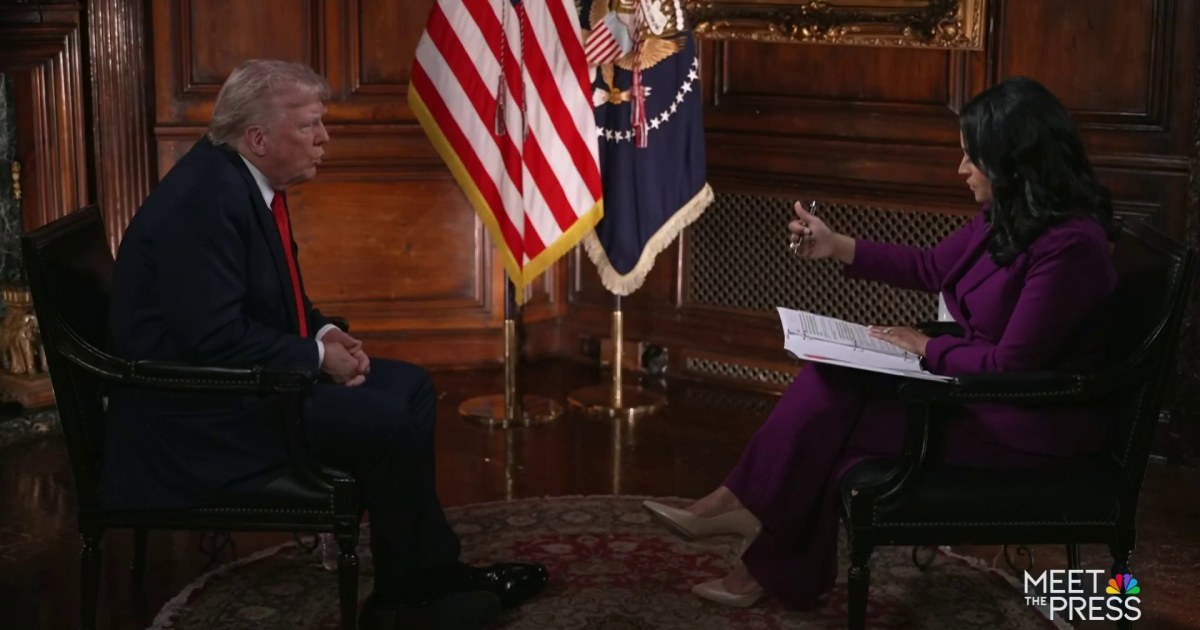
Trump’s Controversial Take: Are Rising Prices Just ‘Peanuts’ Amid Falling Energy Costs?
Former President Donald Trump has sparked debate by downplaying the significance of rising prices for everyday goods, calling them “peanuts” compared to recent declines in energy costs. Speaking at a rally last week, Trump argued that lower gasoline and utility bills offset inflationary pressures on items like strollers and tires. His remarks highlight a growing divide in how Americans perceive economic stability amid fluctuating market conditions.
The Economic Divide: Consumer Goods vs. Energy Prices
While energy costs have indeed fallen—the U.S. Energy Information Administration reports a 12% drop in gasoline prices since June—many households still feel the pinch of persistent inflation. The Consumer Price Index (CPI) shows a 3.7% year-over-year increase for core goods, with essentials like childcare equipment and automotive parts rising by as much as 8%.
“Energy prices are volatile, but families budget for groceries and diapers every single week,” said Dr. Laura Chen, an economist at the Brookings Institution. “Dismissing those costs as insignificant ignores the reality of paycheck-to-paycheck living for millions.”
Conversely, energy analysts like Mark Richardson of the Cato Institute argue that Trump’s point holds merit: “When energy gets cheaper, it creates a ripple effect. Transportation, manufacturing, and even food production costs decline, which can eventually ease broader inflation.”
Public Perception vs. Economic Data
A recent Gallup poll reveals a stark disconnect: 68% of Americans cite grocery prices as their top financial concern, while only 22% prioritize energy costs. This sentiment persists despite federal data showing energy expenditures consuming 4% of median incomes—down from 5.2% in 2022.
Take the case of Sarah and Jim Tolbert, a Michigan couple with two toddlers. “We saved $50 last month on gas,” Sarah noted, “but we paid $40 more for formula and $30 extra for car seat replacements. That’s not a win.”
Key inflationary pressures include:
- Childcare products: +7.9% year-over-year
- Auto maintenance: +6.3%
- Processed foods: +4.8%
Political Reactions and Policy Implications
Trump’s comments have drawn sharp rebukes from Democratic leaders. Senator Elizabeth Warren tweeted: “Telling working families their struggles are ‘peanuts’ is out-of-touch elitism.” Meanwhile, Republican strategists frame the remarks as a challenge to Biden’s economic policies, emphasizing deregulation to boost energy production.
Economists warn that the debate oversimplifies a complex issue. “Inflation isn’t monolithic,” said Dr. Raymond Foster of the Urban Institute. “Targeted relief—like expanding the Child Tax Credit or suspending federal gas taxes—could address both energy and consumer goods pain points.”
What’s Next for Consumers and Policymakers?
With the Federal Reserve holding interest rates steady and OPEC+ planning production cuts, experts predict continued volatility. Consumers may need to brace for:
- Higher holiday-season retail prices due to supply-chain delays
- Potential energy cost rebounds in Q1 2024
- Increased political focus on inflation ahead of elections
As the conversation evolves, one thing is clear: economic recovery feels different depending on which costs hit closest to home. For actionable insights on managing household budgets amid inflation, subscribe to our weekly economic newsletter.
See more CCTV News Daily